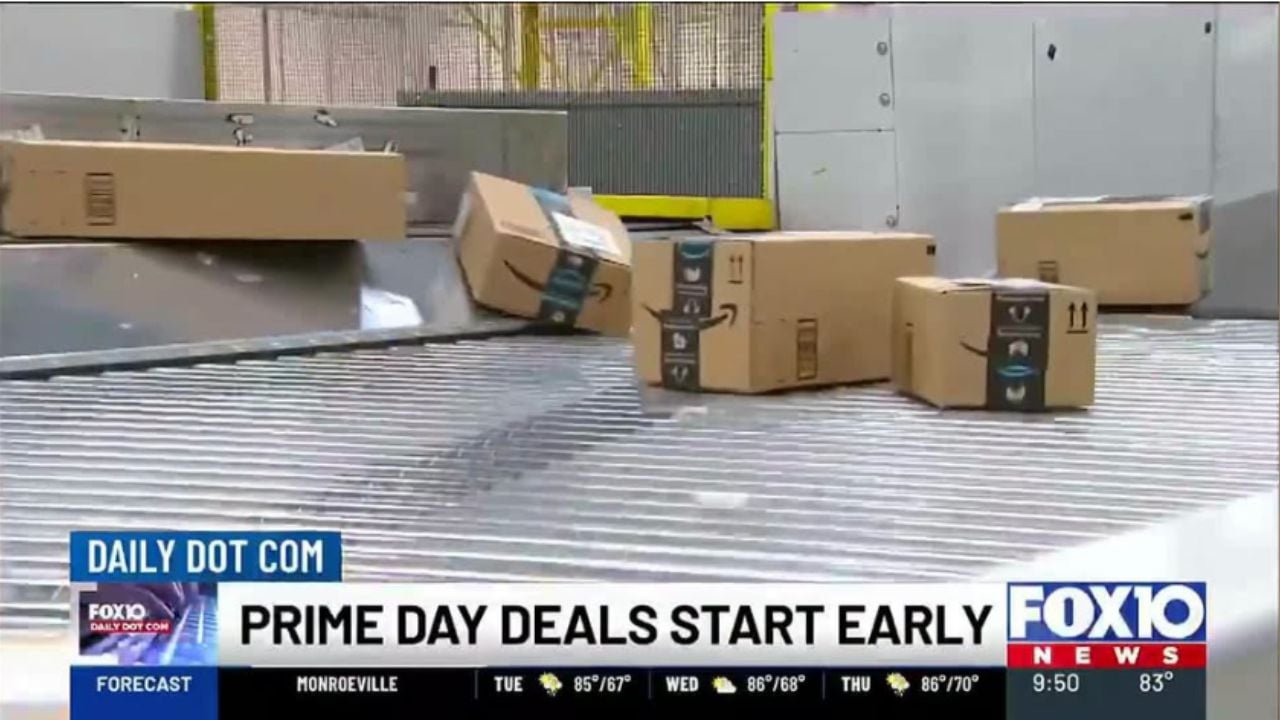
Amazon Prime Day is underway, and scammers are trying to catch shoppers while they are chasing early discounts.
Prime Day 2026 runs from June 23 through June 26, according to Amazon. FOX10 reported that early deals were already showing up before the official four-day event, with discounts across categories including headphones, shoes, vacuums, and kitchen gadgets.
The Better Business Bureau warned that fake sellers and phishing messages often appear around major shopping events, when buyers are moving quickly and expecting limited-time offers.
The scams can look like fake websites, fake social media ads, or messages pretending to be about Amazon orders, payments, deliveries, or Prime accounts.
The Fake Deal Is Built To Make Shoppers Click Fast
Prime Day is built around fast-moving discounts, and scammers use that same urgency. A fake ad may show a popular item at a price far below the real listing. A fake website may copy the look of a familiar retailer. A fake message may say there is a problem with an order, payment, delivery, or Prime membership.
FOX10 reported that the BBB is warning shoppers about fake websites, fake social media ads, and messages claiming shoppers need to verify an account, renew or cancel a Prime membership, or fix an Amazon order issue.
BBB said online shopping scams made up about 30% of reports to its Scam Tracker in 2025, according to the station.
Fake Amazon Messages Can Look Routine
Amazon says common impersonation scams include fake order confirmations and messages claiming there is an account or order problem. Those messages may ask shoppers to update payment information, verify login details, renew a membership, cancel a charge, or fix a delivery issue.
A link can lead to a phishing page built to steal passwords, card numbers, addresses, or account details. During Prime Day, that kind of message can feel believable because shoppers may already be expecting order updates, delivery notices, and price-drop alerts.
BBB Says To Check The Site Before Paying
View this post on Instagram
BBB advises shoppers not to rush before paying. Buyers should check the website, seller, price, return policy, and payment method before entering card information.
Warning signs include strange website addresses, missing contact information, unusually low prices, poor spelling, fake countdown timers, and ads that push shoppers away from trusted checkout pages.
Payment method can also expose the scam. BBB warns shoppers to be cautious when a seller demands payment through digital wallet apps, prepaid money cards, or other nontraditional methods.
A credit card is usually safer for online purchases because it gives shoppers a better chance to dispute unauthorized or fraudulent charges.
The safest way to check an Amazon deal is to go directly to Amazon’s website or app instead of clicking a link in an unexpected email, text, search ad, or social media post. If an order, payment, or Prime membership issue is real, it should also appear inside the shopper’s official Amazon account.