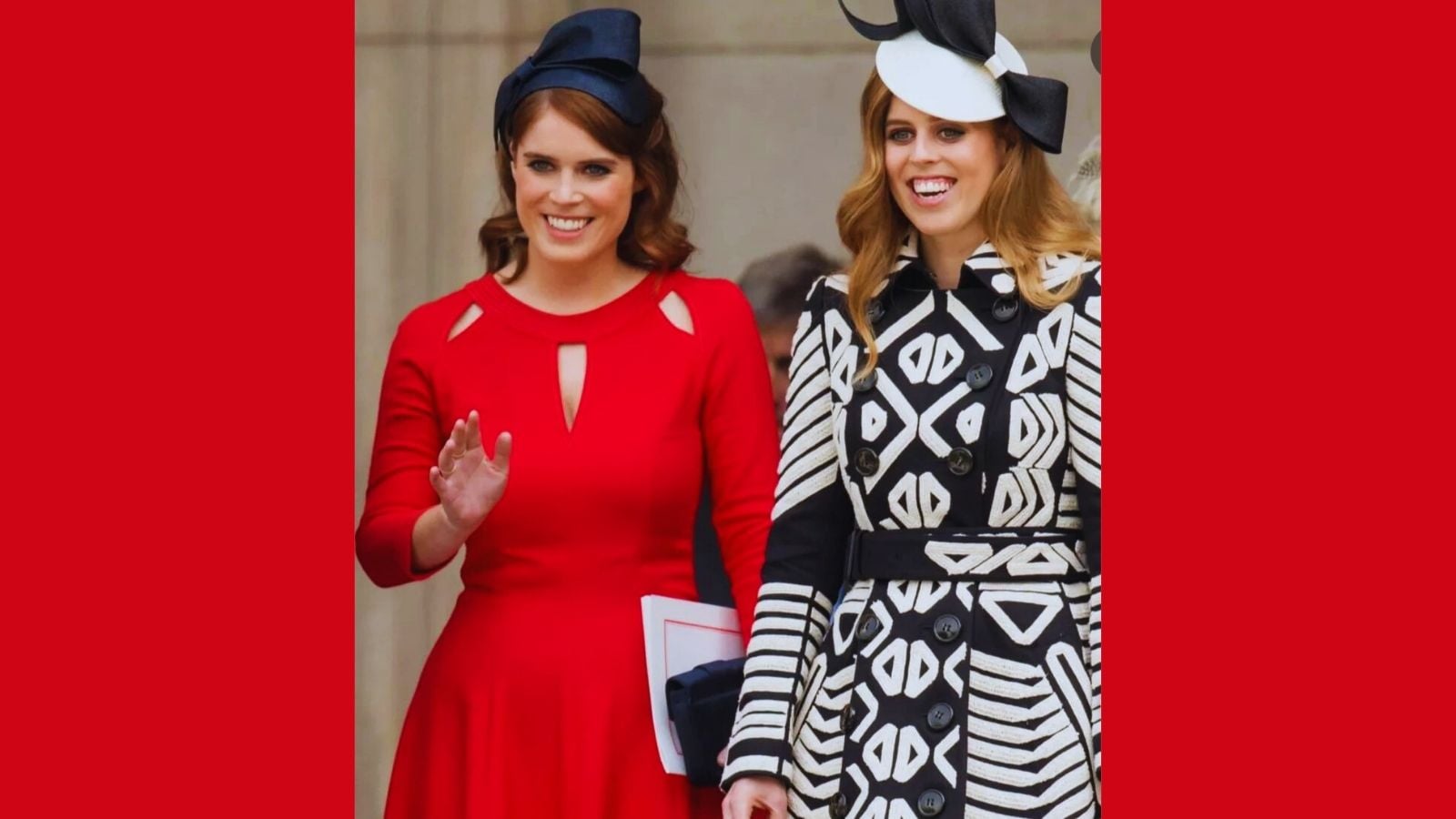
So, the York family just hit a wall, and honestly, it is a total mess. While the rest of the world was watching for a birthday cake, Andrew Mountbatten Windsor spent his 66th birthday getting arrested on suspicion of misconduct in public office. The charge? Allegedly leaking confidential government secrets to convicted sex offender Jeffrey Epstein during his time as a trade envoy for the U.K.
It is a historic disaster, marking the first time in over five hundred years that a reigning monarch’s brother has been hauled off by the authorities. But while Andrew is laying low at Sandringham, his daughters, Princess Beatrice and Princess Eugenie, are in a total panic mode.
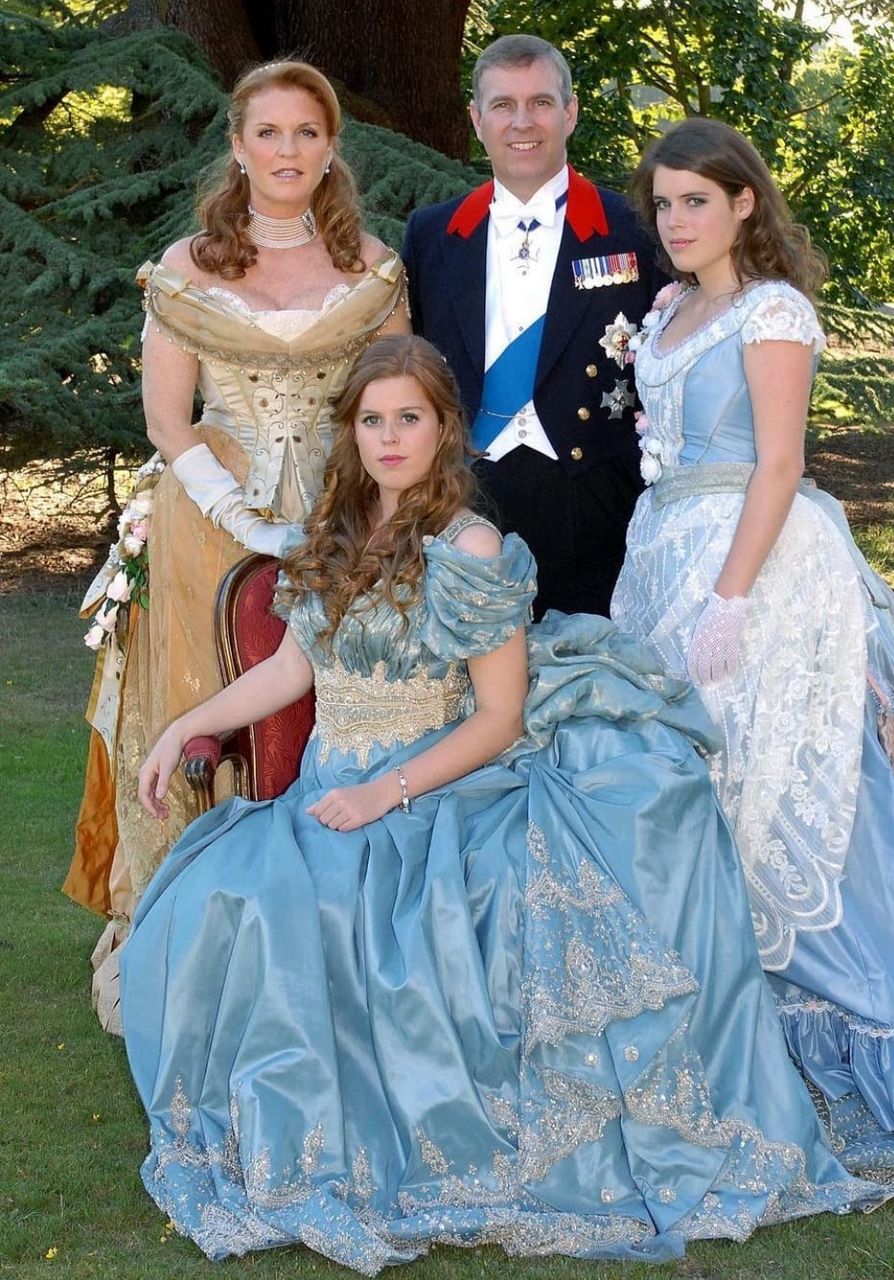
A family friend told People that the sisters want to “hold on to their royal status” because it is their identity and remains vital to their future economic prospects. To put that plainly, they are currently clinging to their “Princess” titles like a life raft in a hurricane because, for them, those titles aren’t just about fancy hats and palace tea. They are actually the backbone of their entire professional lives.
According to that family friend, the sisters view their royal status as their identity, and royal biographer Andrew Lownie puts it even more bluntly: “Their jobs in client relations are based on being princesses.” If the titles go, the careers might follow, and that is a reality they are simply not ready to face.
The High Price of a Royal Identity
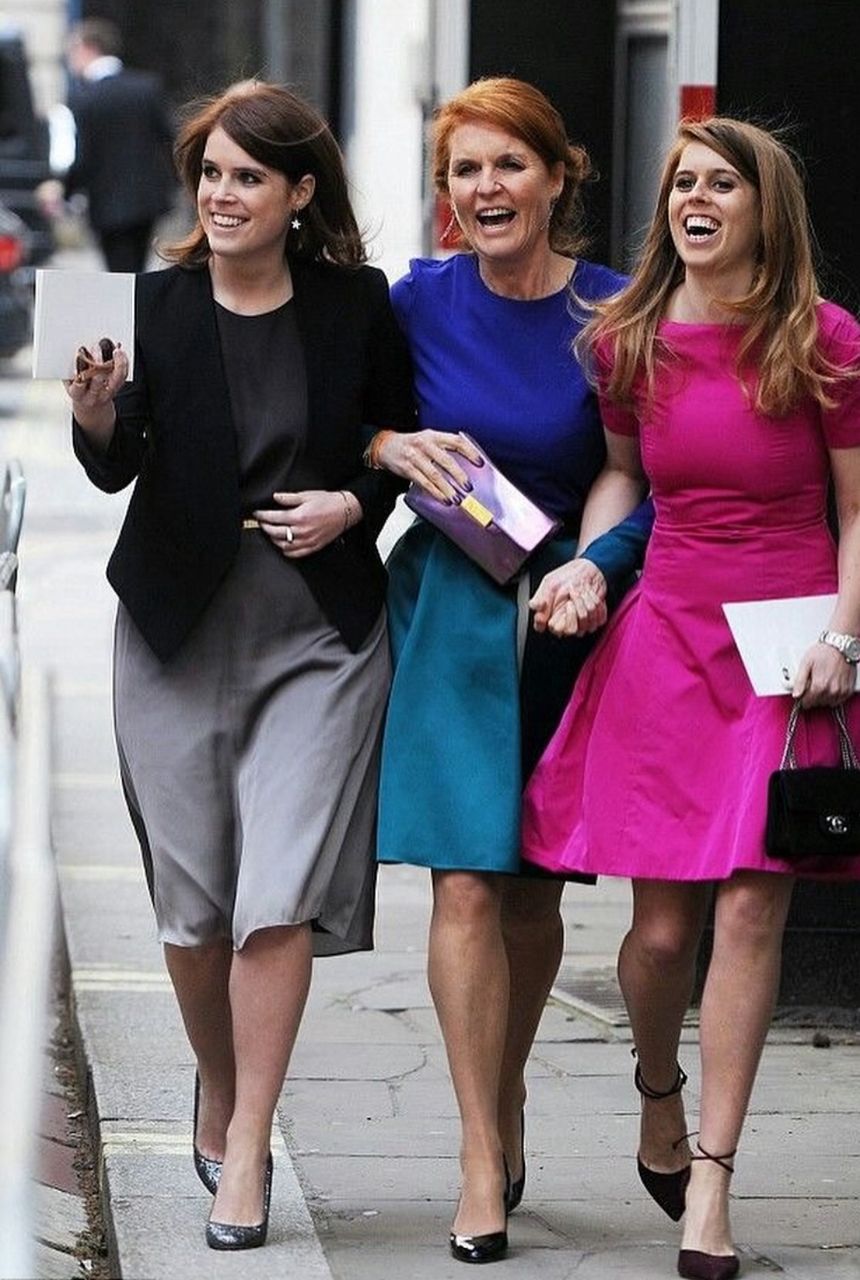
The York sisters are currently caught between a rock and a hard place, and the vibe is definitely tense. While they are reportedly heartbroken and distressed over the arrest, they are also facing a cold, hard professional reality.
You see, Beatrice and Eugenie aren’t just royals; they are working professionals in the private sector with actual jobs. Beatrice holds significant roles at firms like Afiniti Technologies, Scale AI and more, while Eugenie is a director at the art gallery Hauser and Wirth, but experts say those roles are essentially based on being princesses. It is the ultimate networking perk, but that perk is looking a lot more complicated now that the source of their titles is under police investigation.
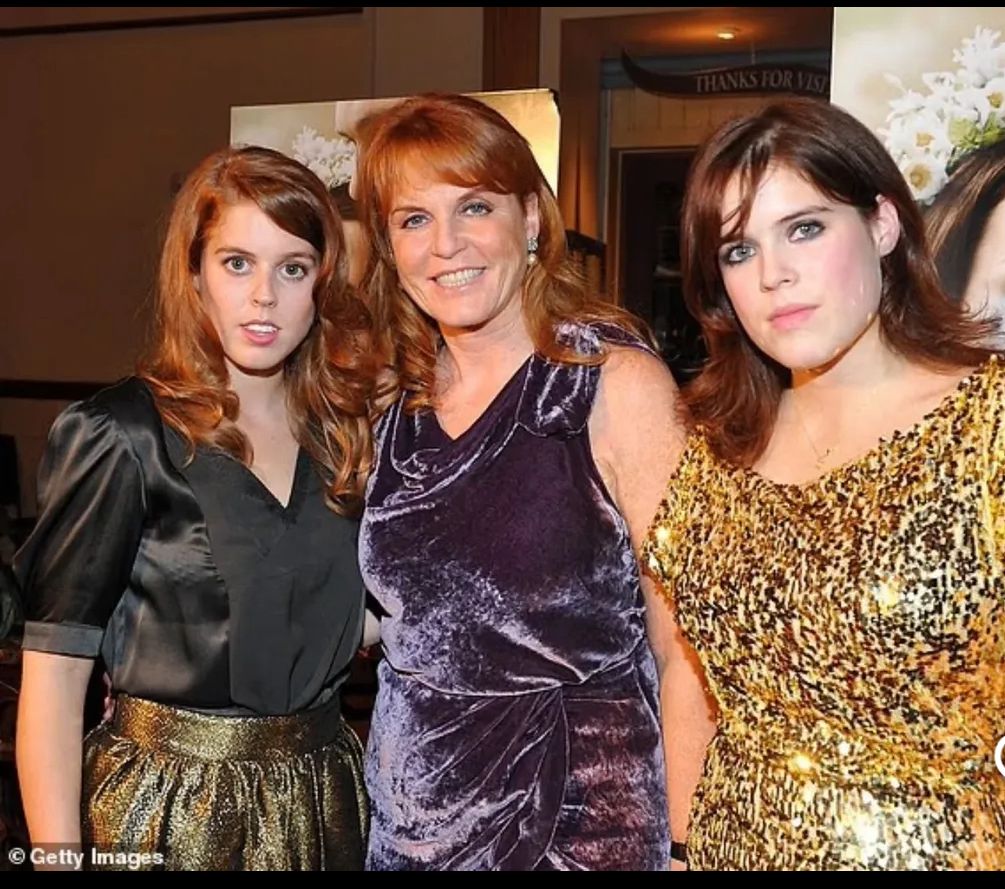
To make matters worse, newly surfaced files from the Epstein case mention a 2009 lunch where the sisters and their mother, Sarah Ferguson, visited Epstein’s Palm Beach home just days after his release from prison. While there are zero allegations of wrongdoing against the sisters, the optics of being at that table are causing a massive headache for their personal brands.
Then there is the issue of Eugenie’s charity work, which is running into some serious irony. She cofounded the Anti-Slavery Collective to fight sexual exploitation, but now the UK Charity Commission is “assessing concerns” about the organization’s spending and disclosures. It is a tough look when your nonprofit’s mission overlaps with the very scandal engulfing your family.
We also have Sarah Ferguson’s old emails popping up, where she reportedly asked Epstein for financial help. This closeness is exactly why the sisters are now reportedly in “crisis talks” with King Charles, trying to figure out how to distance themselves from the drama while keeping their HRH styling. They have young children to protect and a lifestyle to maintain, but the palace is clearly worried that the York brand has become a reputational risk that needs to be managed before it stains the entire institution.
A Quiet Exile From the Palace Circle
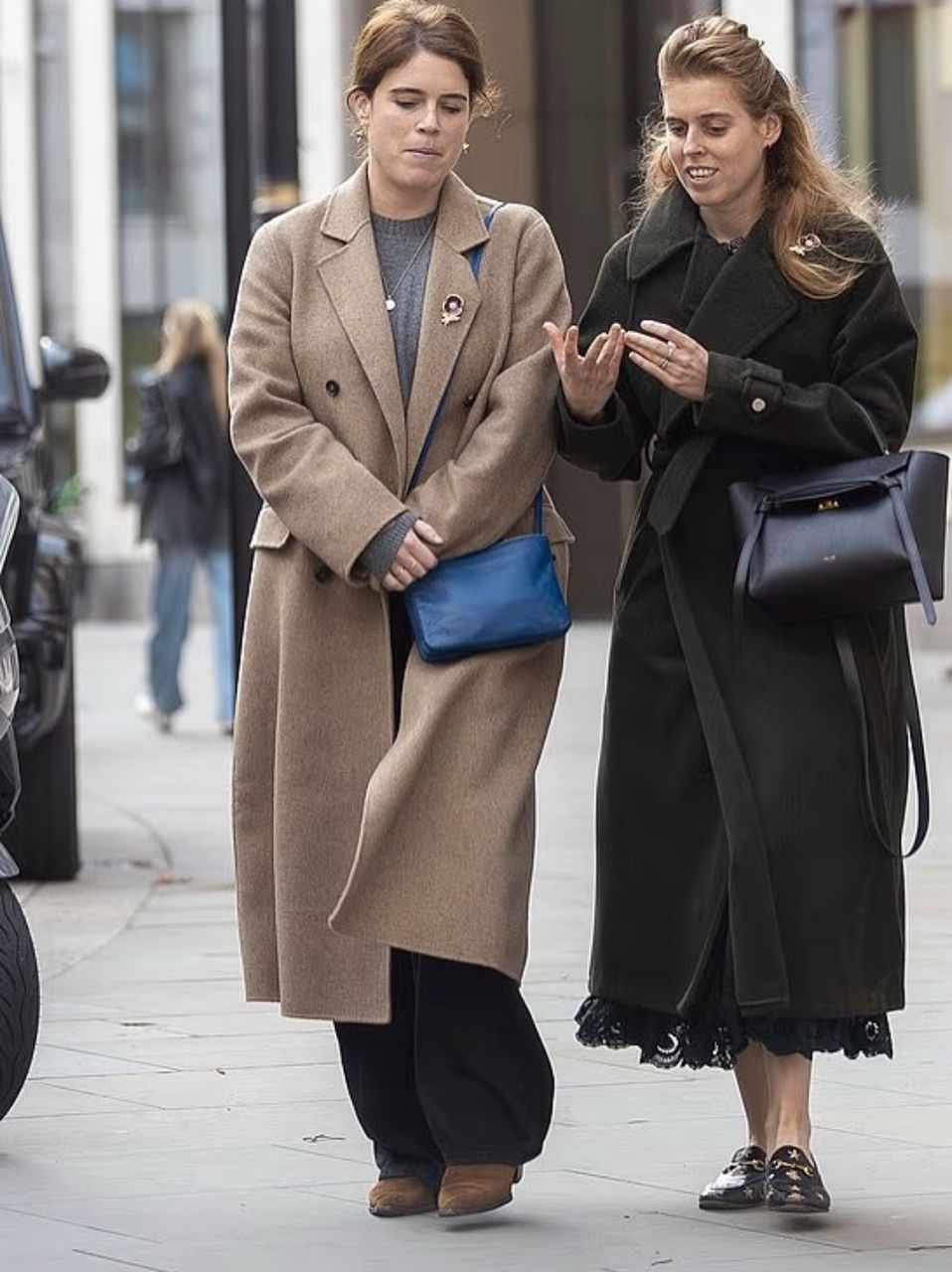
If you were looking for the sisters at the big royal events lately, you might have noticed a very empty seat. Reports have surfaced that Beatrice and Eugenie were effectively banned from the royal procession at Royal Ascot, which is a huge deal in the world of royal optics. It is a classic “deplatforming” move: the palace hasn’t officially stripped the sisters of their titles, but it’s making sure they aren’t seen in the high-profile photos that define the monarchy’s public image.
One source told the Daily Mail that Beatrice was “completely blindsided” by the move, which is being described as a way to sanitize the royal family’s image following Andrew’s arrest. It seems the “princess” title still works for a resume, but it might not get them a seat in the royal carriage anymore. Even Prince William is reportedly pushing to have the “Andrew problem” fully resolved before he eventually takes the throne.
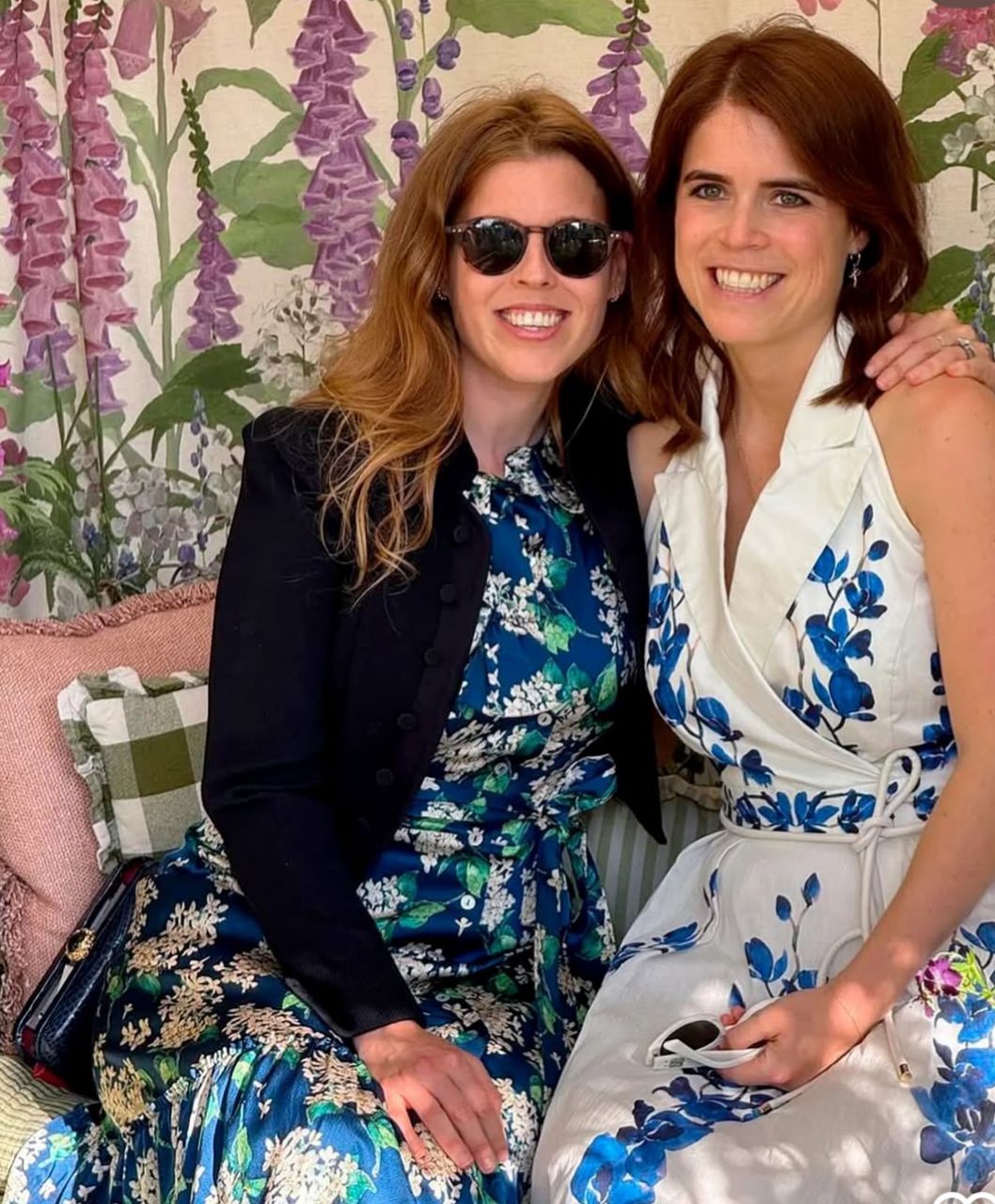
The drama is moving from the palace hallways to the halls of Parliament, too. Prime Minister Keir Starmer has confirmed the government is considering legislative options for the line of succession, which could be a total game-changer. If the government passes a new law to scrub Andrew’s name from the books, the legal “firewall” that protects Beatrice and Eugenie’s titles could accidentally crumble as collateral damage.
It is a massive constitutional headache because you can’t always target one royal without affecting the others. So while the sisters focus on their kids and day jobs, the very laws that give them their status are being debated by politicians. They are fighting to keep an identity that is both their greatest professional asset and their biggest social liability. It is a high-stakes waiting game in which the prize is staying relevant in a world increasingly fed up with the York family drama.
The Real Story: A Brand Under Fire
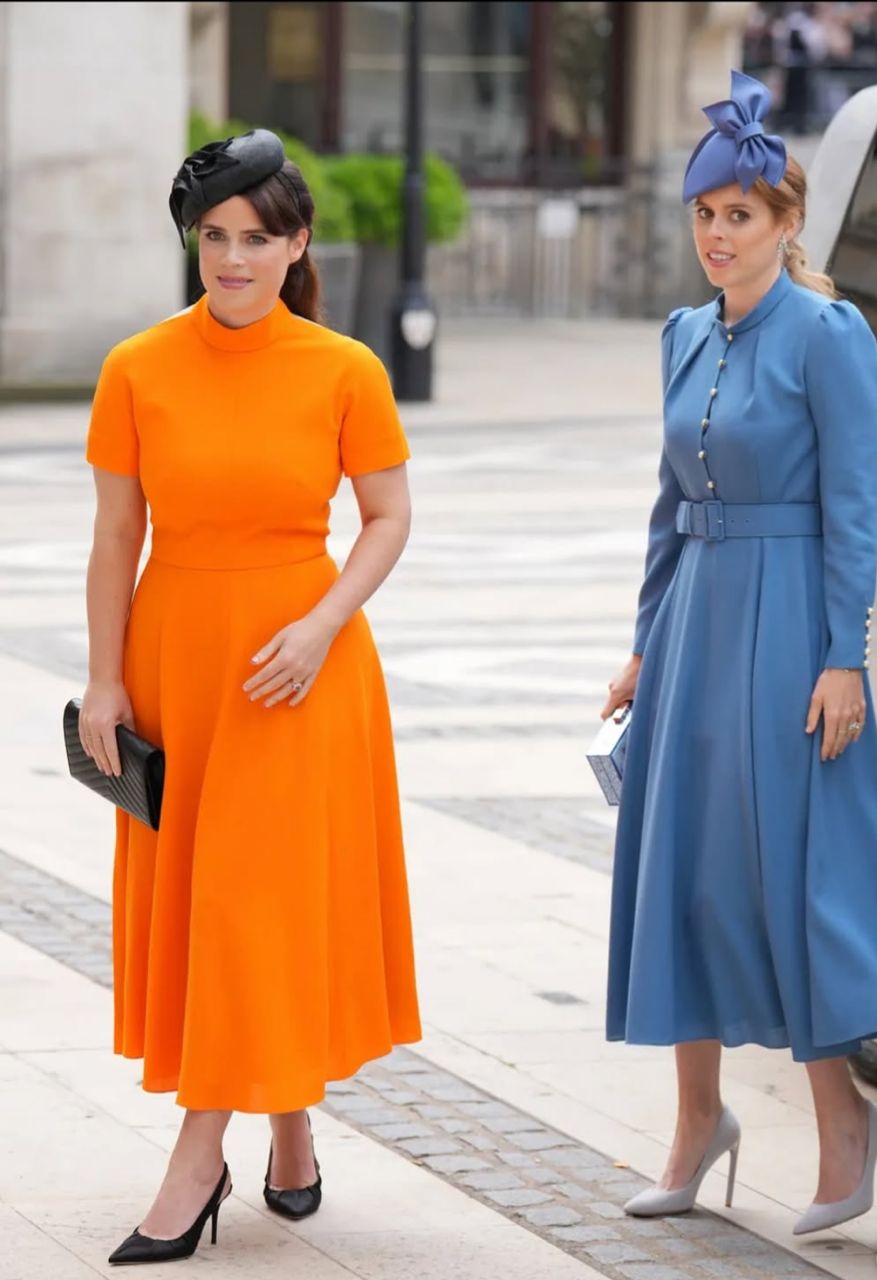
This isn’t just a family squabble; it’s a look into the fragility of a “status based” career. For years, the York sisters have managed to bridge the gap between being private citizens and royal icons, but the arrest of their father has shattered that balance. The message from the palace and the public is becoming uncomfortably clear: drop the “royal act” or get replaced by someone with less baggage.
Governments and institutions are racing to distance themselves from the Epstein legacy so fast that even innocent family members are being treated as inconveniences. As the legal case against Andrew unfolds, Beatrice and Eugenie are essentially the first case study in whether a royal brand can survive when its foundation is pulled away.
They are trying to stay low profile, but in the world of high society, being “low profile” is often the first step toward becoming invisible. Their ability to reinvent themselves now will determine whether they remain influential professionals or become the final chapter of the York family’s royal history.