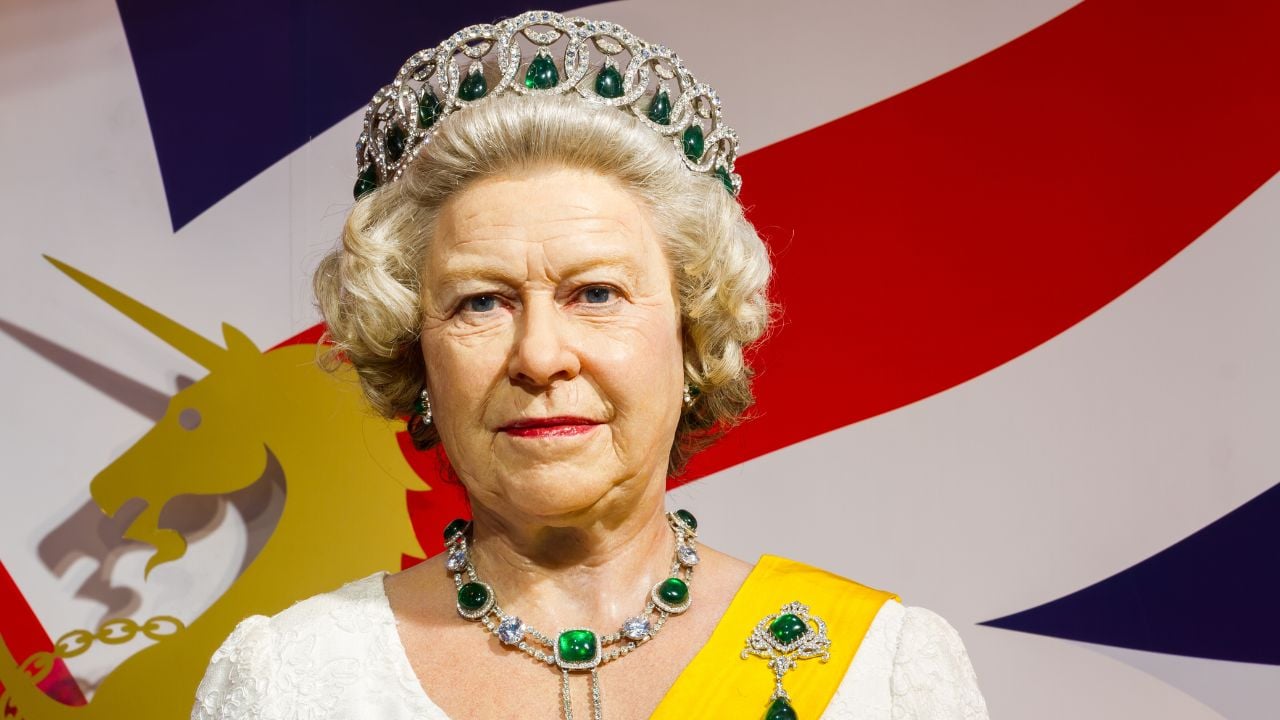
Queen Elizabeth II and Prince Philip are remembered as one of the most enduring royal couples of the modern era, but a new royal-history account says their marriage was not the only future once imagined for the young princess.
Royal historian Hugo Vickers, author of Queen Elizabeth II: A Personal History, said the Queen Mother once favored another aristocratic prospect for her daughter before Elizabeth married Philip. Page Six reported that Vickers identified Hugh, Earl of Euston, who later became the 11th Duke of Grafton, as a man considered within royal and society circles before Philip became Elizabeth’s choice.
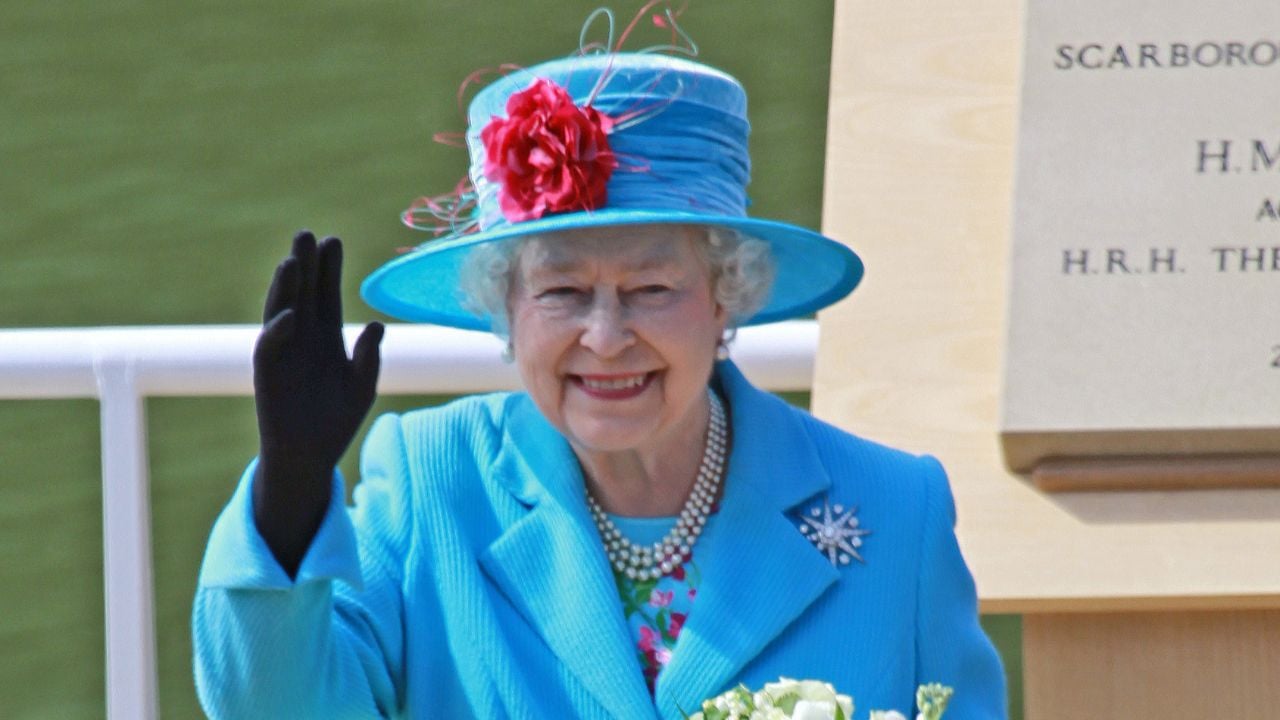
The Queen Mother Reportedly Preferred a Grenadier Guard
Vickers said the Queen Mother was especially interested in the idea of Elizabeth marrying a Grenadier Guard, describing the regiment as one of the most prestigious in Britain. Hugh, Earl of Euston, fit that image and came from the kind of aristocratic background that would have looked familiar inside the royal world.
The claim does not mean Elizabeth was formally engaged to him or that a marriage plan was publicly announced. It suggests that, before Philip became the clear choice in Elizabeth’s life, older members of the royal circle may have pictured a more traditional British match for the future queen.
Philip Was Not an Easy Choice for the Palace
Prince Philip eventually became Elizabeth’s husband, but he was not universally treated as the obvious answer. He had royal blood, naval service, charm, and energy, but some around the palace viewed him as too foreign, too forceful, or too difficult to fit neatly into the British royal system.
That resistance did not change Elizabeth’s mind. Her attachment to Philip had been forming since her teenage years, and by the time their engagement was announced, the young princess had already made her choice.
Elizabeth and Philip’s Bond Started Years Before the Wedding
Elizabeth met Philip at Britannia Royal Naval College in Dartmouth in 1939, when she was 13 and he was 18. Their connection continued through letters during the war years, and Philip’s naval career gave him a different appeal from a quieter aristocratic suitor.
The Royal Family’s official wedding history states that Elizabeth and Philip’s engagement was announced on July 9, 1947. They married just over four months later, on November 20, 1947, at Westminster Abbey.
Lord Mountbatten’s Role Adds Intrigue to the Story
Vickers’ account also gives Lord Mountbatten, Philip’s uncle, a strategic role in the background. Page Six reported that Vickers said Mountbatten helped move Hugh out of the immediate picture by arranging a position for him in India.
That detail is best handled as a historian’s account rather than a proven palace plot. It fits the long-standing picture of Mountbatten as ambitious for Philip, but it should not be overstated as the single reason Elizabeth chose the man she eventually married.
The Alternative Match Shows What Philip Represented
Hugh, Earl of Euston, represented safety, tradition, and a familiar aristocratic pattern. Philip represented something more complicated: naval service, European royal ties, personal confidence, and a sharper modernizing energy.
That contrast helps explain why the old suitor story is still interesting decades later. Elizabeth did not simply marry the most convenient establishment choice. She chose the man she wanted, even when parts of the establishment had doubts.
The Marriage Became a Defining Royal Partnership
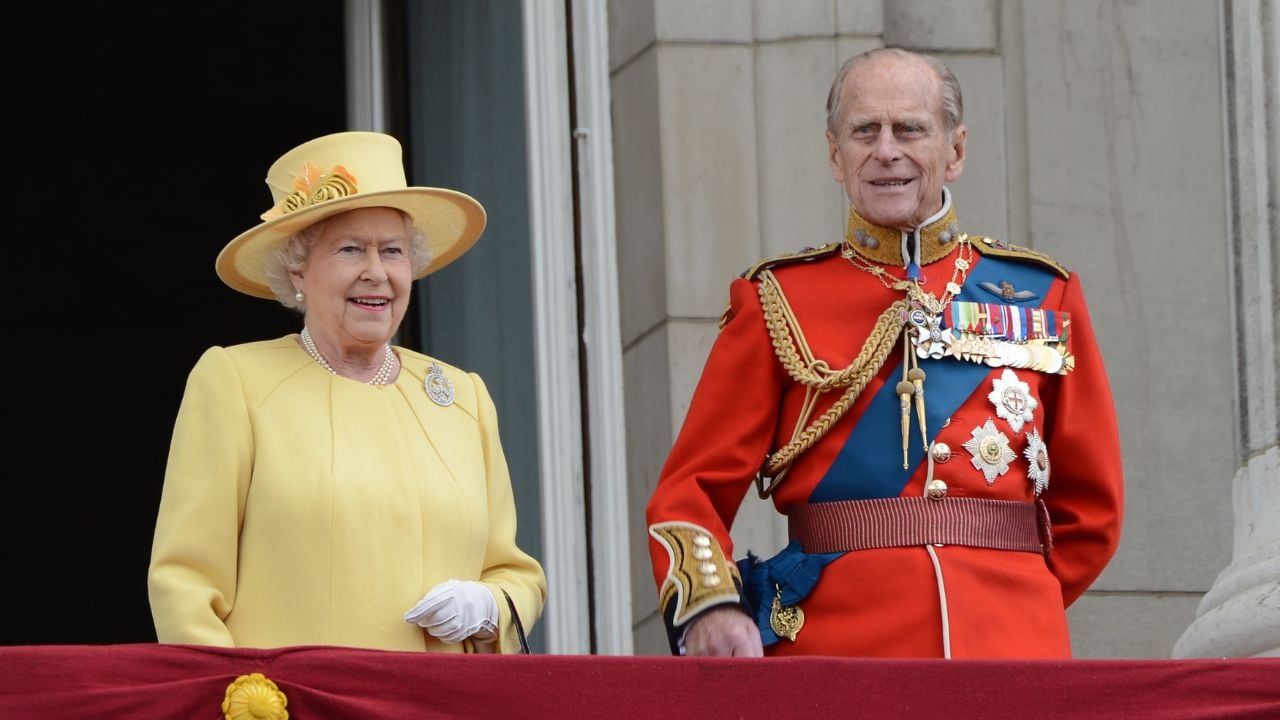
Elizabeth and Philip’s marriage lasted more than 73 years, until Philip’s death in 2021 at age 99. Over those decades, he became the Queen’s longest-serving consort and carried out thousands of royal engagements while also shaping parts of palace life behind the scenes.
The fact that another suitor may once have been preferred does not weaken the Elizabeth-Philip story. It makes the marriage look more deliberate. The young princess chose Philip over the safer expectations around her, and that choice became one of the central relationships of the twentieth-century monarchy.