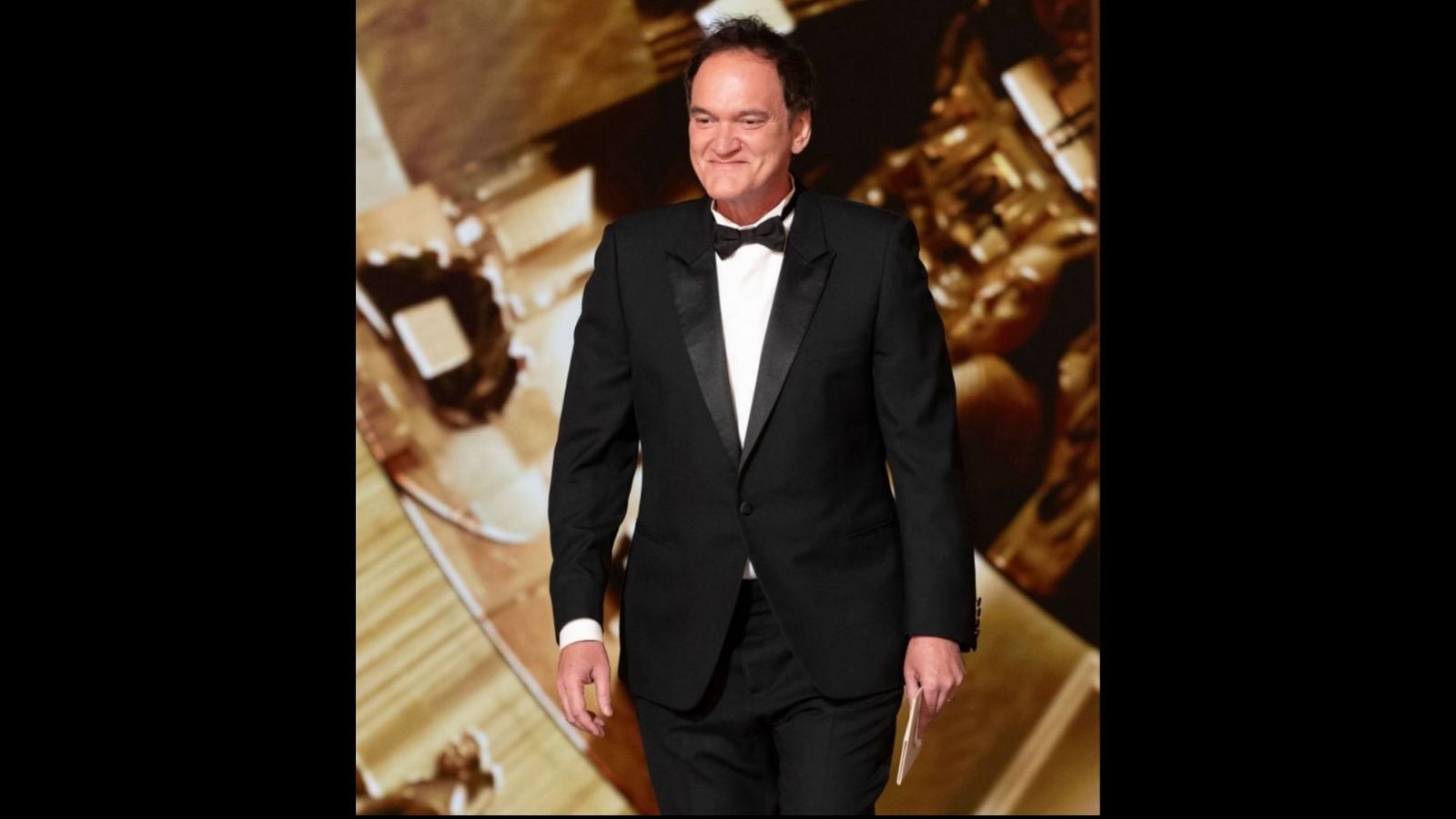
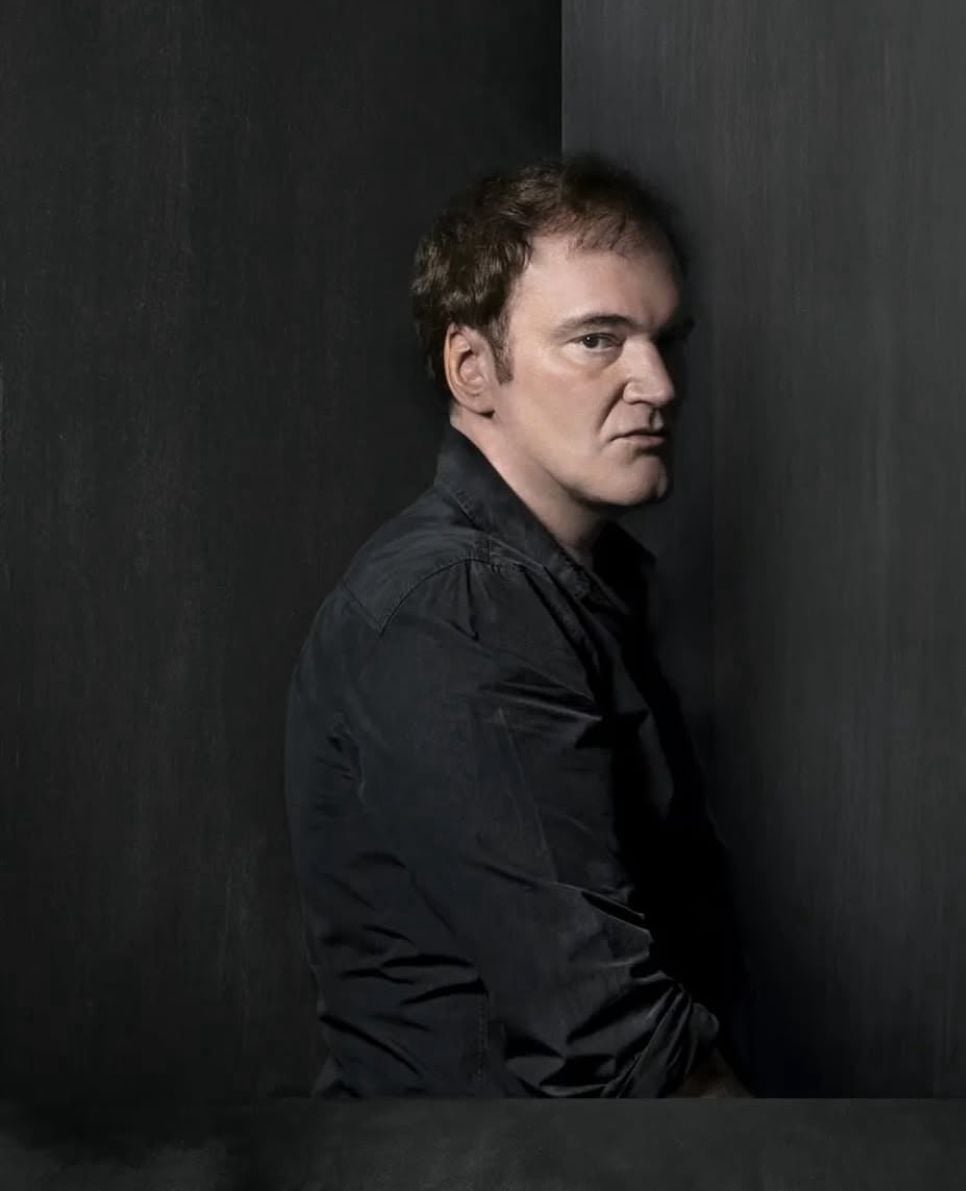
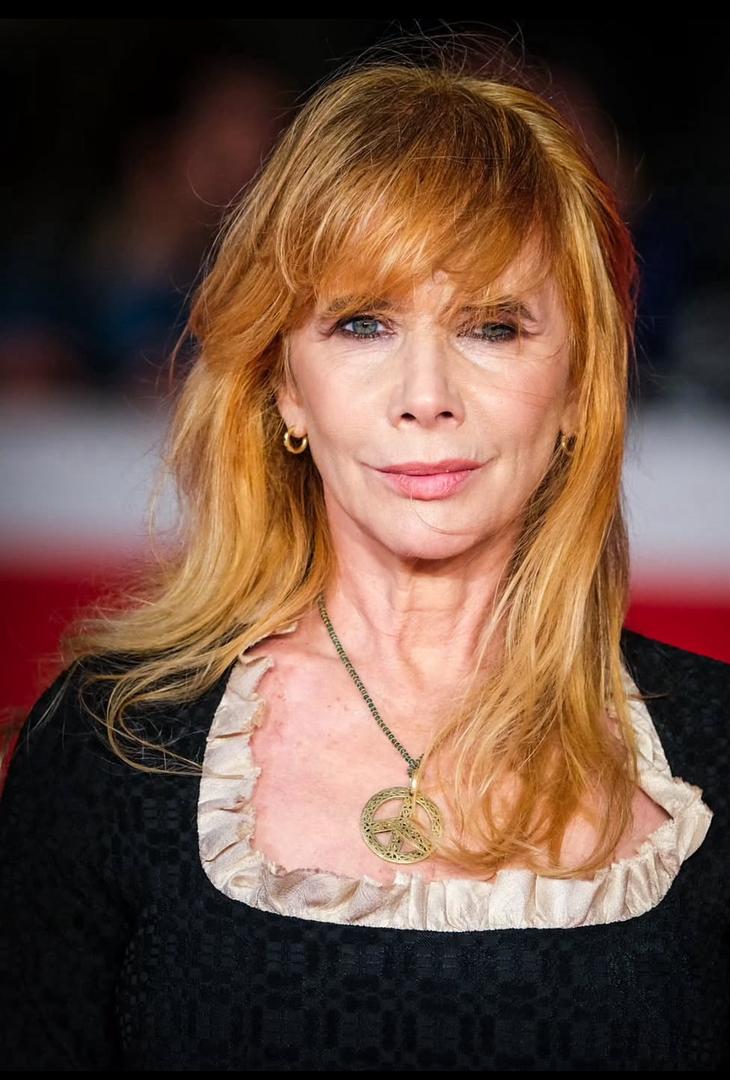
Quentin Tarantino and Rosanna Arquette are currently locked in a high-stakes public clash after the actress characterized the director’s repeated use of the N word as “racist and creepy” in a new interview. This dispute marks a significant turning point for the 1994 classic Pulp Fiction, as a member of its original inner circle now rejects the artistic validity of its dialogue while Tarantino fires back by accusing her of a decided lack of class.
The tension is reaching a global scale as Tarantino himself claims that Arquette’s comments have already been cited by “132 media outlets” showing her name and image to argue she is simply hunting for publicity. It is a rare and messy moment where the professional camaraderie of Hollywood history is being dismantled by a debate over modern ethical standards and the limits of a creative hall pass.
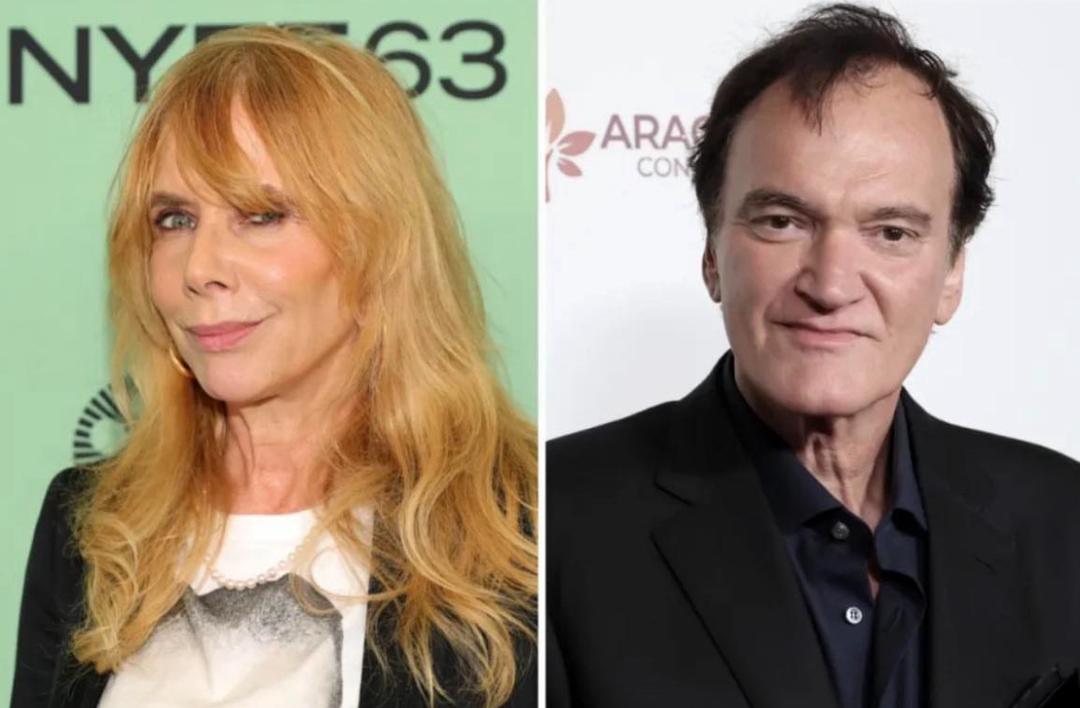
The friction started when Arquette sat down with The Sunday Times in the United Kingdom in early March 2026 to reflect on her role as Jody in the film that helped define the nineties cinema scene. While she was quick to call the movie “iconic and great on many levels,” she did not hold back her disdain for the specific language Tarantino frequently weaves into his scripts.
Arquette stated quite clearly that she is over the use of the slur and that she absolutely hates it, regardless of the cinematic context.
Her most biting observation was that she cannot stand how Tarantino has been given a hall pass for so long to use the word. She argued that the repetition of the slur is not art but rather something that feels “racist and creepy” to her as she looks back on his entire filmography. These remarks were reported and quoted across major outlets and served as the primary catalyst for the director’s formal response.
The Unwritten Rules of the Industry Silence Pact
Tarantino did not take the criticism quietly and responded with a formal written statement, provided to major entertainment outlets such as Entertainment Weekly and news.com Addressing her directly as “Dear Rosanna” the director suggested that any publicity she received from the interview was surely her goal all along. He framed her comments not as a valid social critique but as a direct betrayal of the professional bond they shared decades ago.
Tarantino wrote that after he gave her a job and she accepted the money, demeaning the work for what he believes are “cynical reasons”, shows “a lack of class” and honor.
He also mentioned that there should be a level of camaraderie among artistic peers, which he feels Arquette has effectively abandoned. This framing suggests a belief that actors are eternally beholden to a director who gave them a career opportunity, regardless of how cultural standards evolve.

The response highlights a very specific power dynamic that has long existed within the film industry regarding talent and their directors. Tarantino appears to argue that a paycheck creates a permanent contract of silence, or at least a requirement to publicly support the material. By using terms like “esprit de corps and lack of class”, he is positioning himself as a defender of a certain professional code.
This defensive stance leans heavily on his status as an auteur who expects his collaborators to stand by his vision forever. The statement suggests that Tarantino views critiquing the work as a transactional failure rather than an intellectual or social disagreement.
Decades of Debate and the Auteur Exception
The conversation surrounding Tarantino’s use of racial slurs is certainly not new, as it has followed him from the earliest days of his career. Deadline as pointed to the time Spike Lee famously voiced his problems with the director’s excessive use of the word back in the late nineties following the release of Jackie Brown.
At that time, Lee noted that he had a definite problem with the frequency of the slur even while acknowledging his own use of it in different contexts.
More recently, filmmakers like Lee Daniels have joined the chorus questioning whether the director still has the right to use that language. Daniels mentioned that, while he might once have viewed it as an “artistic” choice, he now feels Tarantino’s standard response to critics is no longer appropriate.
The frequency of the word in films like Django Unchained, which according to Dallas Observeris featured over 100 times, remains a massive point of contention.
To make matters worse, Tarantino has a history of dismissing these concerns with a firm, consistent message to his audience and critics. During a 2022 interview on Who’s Talking to Chris Wallace, he told people who have a problem with his movies to simply go “see something else”. He stated plainly that he is not making his films for those specific viewers, and he has shown little interest in changing his writing style.
This rigid stance is now being tested by the fact that the criticism is coming from within his own cast rather than from an outside observer. Arquette is essentially withdrawing her retroactive consent for the linguistic choices made in a film that she helped make a global success.
When a member of the original inner circle rejects the artistic validity of the dialogue, it becomes harder to maintain the auteur exception.
A Cultural Shift in the Making
The timing of this dispute is interesting because it shows how iconic works are being reevaluated through the lens of current social expectations. Arquette is navigating a difficult middle ground by praising the film as a masterpiece while simultaneously condemning the language used to build it. This duality reflects a broader trend where the industry is moving away from the idea that certain directors are beyond reproach.
The hall pass that Arquette mentioned appears to be expiring as former allies decide they are no longer comfortable with the status quo. It is no longer just about the art itself but about the real-world impact of the words being spoken on screen for entertainment. This suggests that even the most celebrated works of the nineties are not immune to the evolving standards of the 2020s.
As of now, there are no reported professional repercussions for either party, nor any confirmed private communication between the two stars. Representatives for Arquette have been contacted for comment following Tarantino’s sharp statement, but have yet to provide a public reply. The industry is watching closely to see if other former collaborators will weigh in on the validity of the camaraderie code.
This clash serves as a case study of how the entertainment world manages its past while defining its future values. It raises the question of whether a film can remain a beloved classic if the people who made it can no longer stand behind the script. It signals that the era of the untouchable auteur may be giving way to a more vocal and critical era of collaboration.
Ultimately, this is a sign for Hollywood as the old ways of doing business are colliding with a new age of accountability. If even a foundational masterpiece like Pulp Fiction is being called “racist and creepy” by its own cast, then nothing is off limits for reevaluation. The message to the industry is clear: the days of relying on a hall pass for controversial choices are likely over as the audience and the artists demand more.
This story matters because it forces us to look at the power dynamics behind the camera and ask who really owns the narrative of a classic. Is it the director who wrote the lines or the actors who gave them life and now have to live with the legacy of those words? As cultural standards shift, the definition of professional loyalty is being rewritten in real time, and it is clear that silence is no longer required.