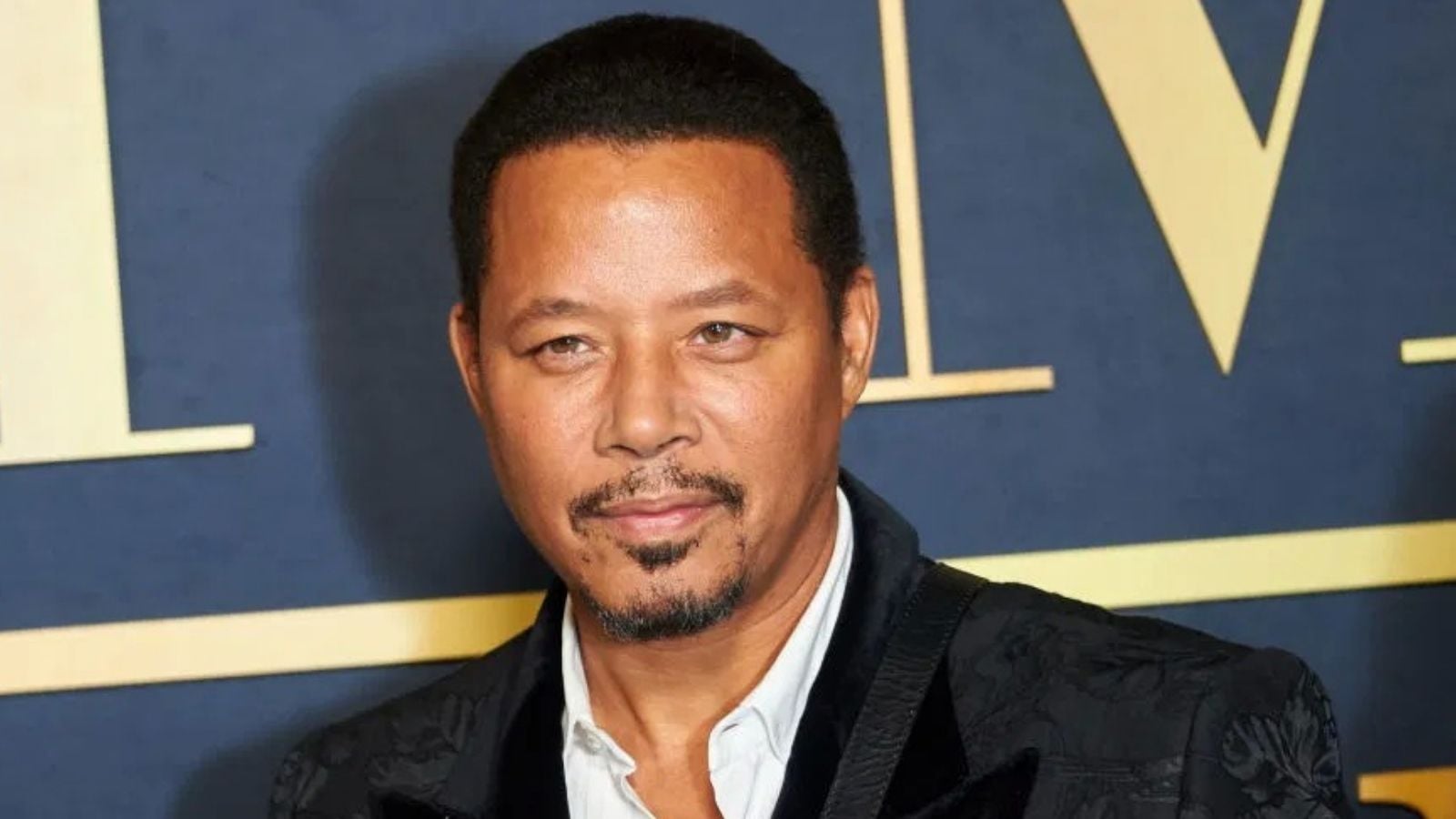
Terrence Howard has never been one to hold back his opinions, and his latest comments on Game of Thrones have sparked a fresh wave of online chatter. During a recent episode of the PBD Podcast, hosted by Patrick Bet-David, the actor opened up about his disdain for the hit HBO series.
Howard, known for roles in films like Iron Man and Empire, claimed the show played a role in shifting cultural attitudes toward taboo subjects. His remarks, captured in a clip that went viral in early March 2026, have divided fans and critics alike.
Some nod in agreement, pointing to the series’ bold storylines, while others roll their eyes at what they see as an overreaction. This story taps into ongoing debates about media influence and how shows like Game of Thrones push boundaries in entertainment.
Howard’s Blunt Take on the Show
Howard’s frustration stems from specific elements in the show that he believes crossed a line. He singled out the relationship between siblings Jaime and Cersei Lannister, portrayed by Nikolaj Coster-Waldau and Lena Headey. In the podcast, Howard stated, “Game of Thrones messed me up, and I think it messed up a lot of the world, because it got everybody into incest p-rn.”
Terrence Howard says that Game of Thrones forced incest p-rn on millions.
“Game of Thrones messed me up, and I think it messed up a lot of the world, because it got everybody into incest p-rn.”
— No Jumper (@nojumper) March 9, 2026
He argued that the series normalized this dynamic by weaving it into the core narrative across eight seasons, from 2011 to 2019. Howard questioned why viewers accepted these plots without pushback, suggesting it amounted to subtle programming that desensitized audiences to real-world issues.
His comments fit into a pattern of his public reflections, where he often critiques Hollywood’s impact on society. For instance, Howard has previously discussed personal struggles and industry temptations, making this critique feel like part of a larger conversation about moral boundaries in media.
How Fans Are Reacting
The internet wasted no time in responding to Howard’s take, with reactions pouring in across platforms like X, Instagram, and TikTok. Many users echoed his disgust, sharing memes and threads that highlighted how Game of Thrones’ themes lingered in pop culture.
One viral X post read, “Terrence is spot on. GoT made incest a plot device, and now it’s everywhere in fan discussions.” Supporters pointed to data from adult content sites, noting spikes in searches for related themes around the show’s peak popularity.
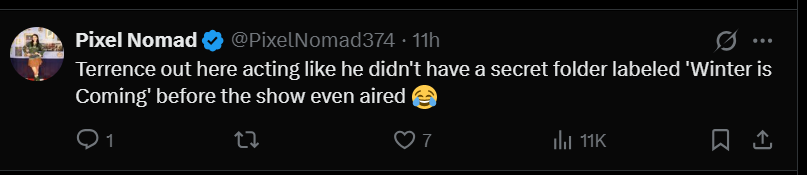
Others recalled the Targaryen family’s in-show tradition of intermarriage, like Daenerys’ backstory, as examples of how the series drew from George R.R. Martin’s books to justify such elements. Yet, not everyone bought into Howard’s view. Critics mocked the idea, with comments like, “If GoT turned you toward that, that’s on you, not the show.”
Some argued that incest motifs predate the series, appearing in myths and literature long before HBO adapted Martin’s A Song of Ice and Fire novels. The divide shows how Howard’s words reignited old fan wars, much like the backlash to the show’s finale in 2019.
The Bigger Question
Beyond the immediate buzz, Howard’s comments raise questions about Game of Thrones’ lasting legacy in entertainment. The series, which won 59 Emmy Awards, revolutionized TV with its mix of politics, dragons, and gritty realism. However, it also faced criticism for graphic content, including violence and sexual themes that some viewers found excessive.
The Lannister siblings’ arc, starting with a shocking scene in the pilot episode, became a symbol of the show’s willingness to explore dark family dynamics. Prequels like House of the Dragon, which premiered in 2022, doubled down on Targaryen bloodline purity, keeping the conversation alive.
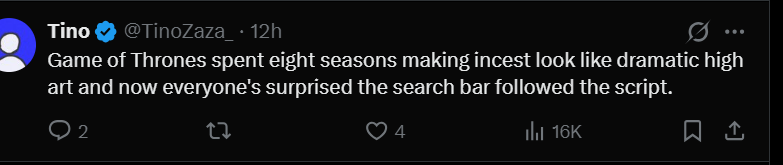
Howard’s disgust aligns with broader concerns from parents and advocacy groups about how streaming platforms expose audiences to mature topics. Still, defenders note that the show drew from historical inspirations, such as ancient royal families, to build its world. As of March10 2026, with spin-offs in development, Howard’s critique serves as a reminder that blockbuster hits can leave complicated footprints on culture.
In the end, whether you side with Howard or dismiss his claims, this story underscores the power of television to provoke thought and controversy years after airing. Fans continue to dissect Game of Thrones for its storytelling highs and lows, from epic battles to character betrayals.
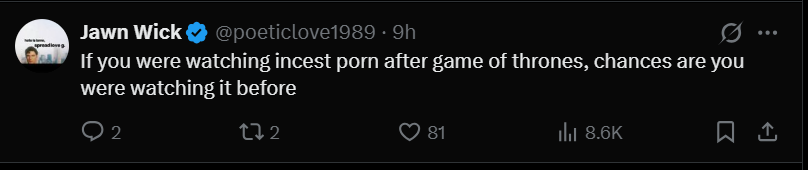
Howard’s bold statement has added fuel to those discussions, proving the series remains a cultural touchstone. As online debates rage on, one thing is clear: Game of Thrones still knows how to get people talking.
What do you think?