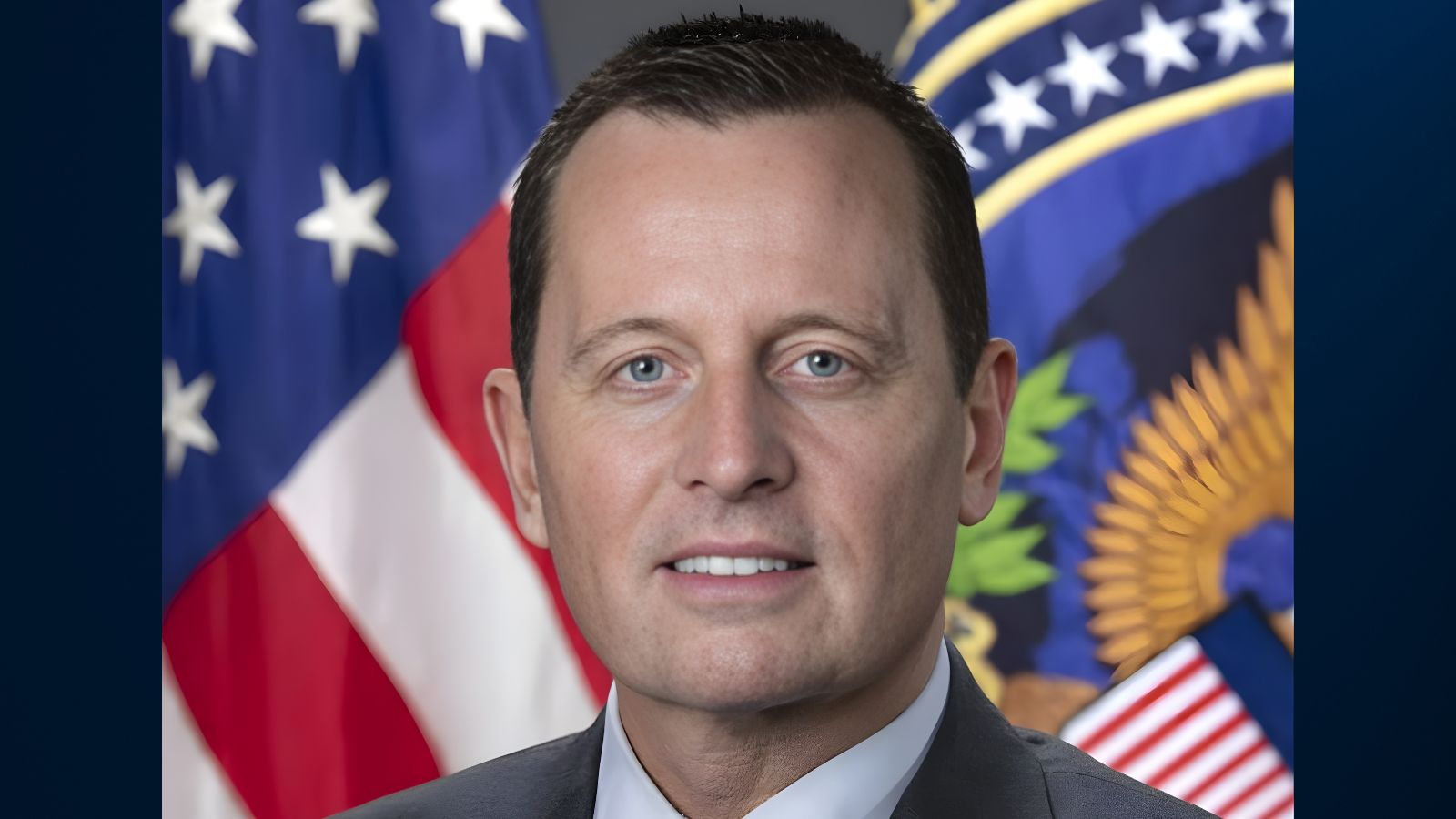
A fresh controversy is swirling around the Trump Kennedy Center, and this time the accusation points directly at major media outlets. Richard Grenell says the pressure campaign against the venue isn’t organic. He claims it’s being fueled behind the scenes by legacy media.
The allegation landed hard. And it landed publicly. In a post on X, Grenell said he was told by booked artists that they were receiving direct emails urging them to walk away from scheduled performances. The message named names: CNN and The Washington Post.
Within minutes, the claim ignited a new phase of an already heated cultural fight. Reactions poured in, and the focus shifted almost instantly. What began as a dispute over canceled performances has turned into something much bigger.
The Tweet That Set Off the Firestorm
Grenell didn’t hedge his words. He went straight to the point and made the accusation public for everyone to see. The tweet immediately became the centerpiece of the controversy.
“I have just been informed by some booked artists that they are receiving emails from @CNN and The @washingtonpost encouraging them to boycott the Trump Kennedy Center,” he wrote. He followed with a blunt conclusion that left little room for interpretation.
“The legacy media are left wing activists – and they are open about it.” The post spread fast, screenshots circulated, commentators jumped in, and supporters treated it as confirmation of long-held suspicions while critics demanded proof.
The focus shifted overnight. This was no longer just about artists canceling shows; it has become a media accountability story with national attention.
I have just been informed by some booked artists that they are receiving emails from @CNN and The @washingtonpost encouraging them to boycott the Trump Kennedy Center.
The legacy media are left wing activists – and they are open about it.
— Richard Grenell (@RichardGrenell) December 30, 2025
Why the Claim Matters
If true, the allegation reframes the entire boycott conversation. Up to now, cancellations were framed as personal moral choices by individual artists. Grenell’s claim suggests coordination and influence from powerful institutions.
That changes the optics significantly. It raises questions about journalistic boundaries, challenges the idea of independent artistic protest, and draws media organizations into the controversy.
For many observers, the issue isn’t partisan loyalty. Its influence. Should news organizations encourage cultural boycotts? Where does reporting end and activism begin, and who decides what crosses the line?
Those questions now dominate the conversation and show no sign of fading.
Media Silence Fuels Speculation
As the claim spread, attention turned to CNN and The Washington Post. At the time of writing, neither outlet has publicly addressed Grenell’s allegation. There has been no confirmation, denial, or clarification.
That silence has become part of the story. Supporters of Grenell argue it speaks volumes, while critics insist silence is not evidence of wrongdoing.
Online, speculation filled the gap. Some users shared past examples of media advocacy, while others wanted to see proof of this allegation.
Would be very interesting to see one of these emails and expose who at either @CNN & @washingtonpost is sending the emails and functioning as activists.
— Jeff Wright (@1991Wolfpack) December 30, 2025
Artists Caught in the Middle
Lost in the media clash are the artists themselves. Some performers have already canceled shows, others are reportedly reconsidering, and many remain silent as the pressure builds.
If Grenell’s claim reflects even a partial truth, artists face competing pressures. Perform and risk backlash, cancel and signal alignment, or stay quiet and invite suspicion.
For creatives, the decision stops being about art and starts being about optics. Audiences notice the impact immediately, especially fans who bought tickets expecting performances. Some feel shut out. Others applaud artists for taking stands. Very few remain neutral.
The Bigger Culture War Around the Kennedy Center
The Kennedy Center has become a symbol, not just of culture but of who controls cultural spaces. Its role in this debate has pushed it far beyond a typical performance venue.
The addition of “Trump” to its identity changed how people interpret everything tied to it. Performances became statements, appearances became endorsements, and absences became protests.
Grenell’s claim pours fuel on that tension. Critics argue the arts are being weaponized, while supporters counter that silence equals complicity. No one agrees on the rules anymore.
Trust, Media, and Power
This moment taps into a deeper issue. Public trust in media is fragile and has been for years. Many Americans already believe that major outlets shape narratives rather than report them. Grenell’s allegation reinforces that belief for some, even without verification.
Others see the claim itself as a political tactic designed to discredit journalism. Both interpretations spread at once, creating confusion and reinforcing mistrust. That’s the problem. Once trust fractures, facts struggle to land cleanly.
What Happens Next
The claim won’t disappear on its own. If evidence emerges, the fallout expands fast. If it doesn’t, skepticism hardens on both sides, and positions become more entrenched. Either way, the Kennedy Center remains a flashpoint. So does the role of media in cultural conflicts, especially when politics and art collide.
Are artists acting independently or under pressure? Should news outlets stay observers or advocates? Who benefits when art becomes another battlefield? Those questions now sit at the center of the story. And they aren’t going away. What do you think?