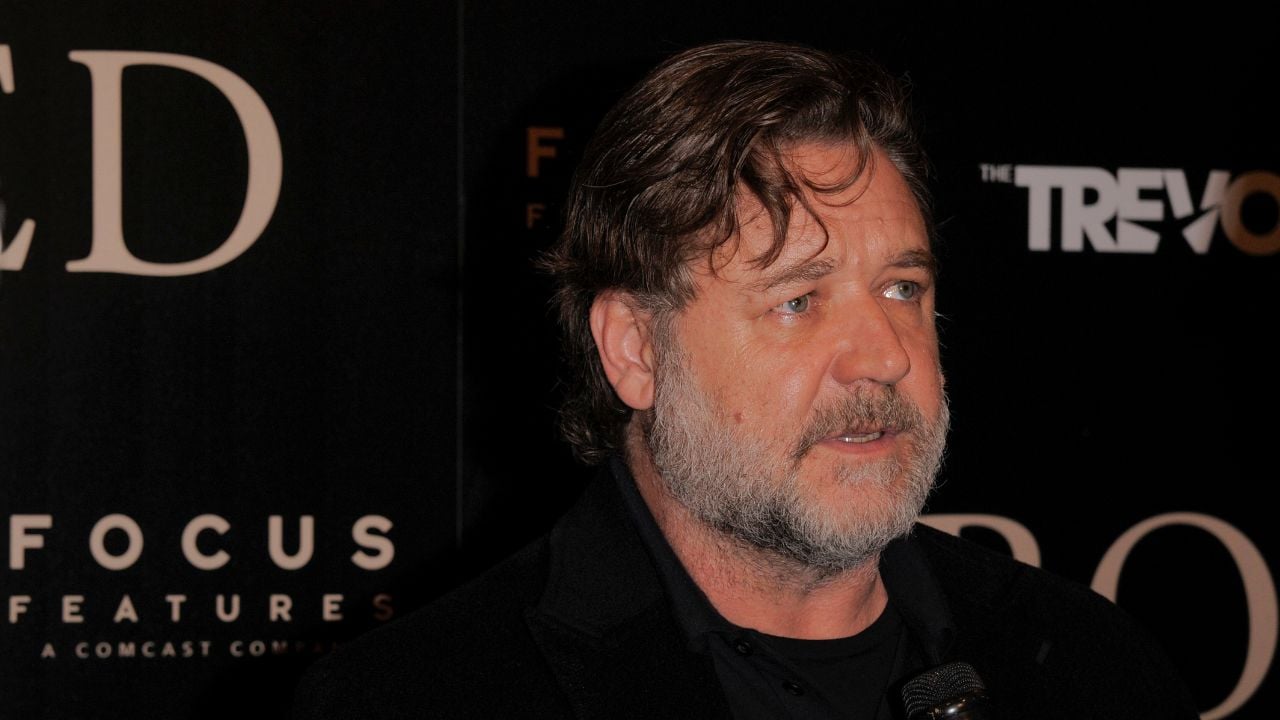
Russell Crowe says he fought to keep Maximus away from sex scenes in Gladiator because they would have changed the character’s loyalty to his murdered wife and son.
The actor, who won the best actor Oscar for Ridley Scott’s 2000 epic, revisited the creative argument while discussing his career, Gladiator II, and his new role in the Highlander reboot.
KATU reported that Crowe said he had a “daily fight” on the first Gladiator to protect what he called the moral core of Maximus. One recurring argument involved suggestions that Maximus should have sex scenes.
“The amount of times they suggested sex scenes and stuff like that for Maximus, it’s like — you’re taking away his power,” Crowe said.
Maximus Was Written Around Grief and Loyalty
View this post on Instagram
In the original Gladiator, Maximus loses his wife, his son, his rank, his army, and his freedom. His drive through the rest of the film comes from grief, revenge, and the belief that he will be reunited with his family after death.
Crowe said that structure made romantic or sexual scenes with Connie Nielsen’s Lucilla feel wrong for the character. His argument was not that Maximus could never feel tenderness for Lucilla, but that a sexual relationship would weaken the devotion that defines him after his family is killed.
The first film still gave Maximus and Lucilla a complicated emotional history. It did not turn that history into a present-day affair.
Crowe Said Gladiator II Reopened the Problem
The old fight became relevant again because of Gladiator II. Scott’s 2024 sequel stars Paul Mescal as Lucius, who is revealed to be the son of Maximus and Lucilla.
Crowe did not appear in the sequel because Maximus dies at the end of the original film. His criticism was aimed at what the sequel does to Maximus after his death.
“So you’re saying at the same time he had this relationship with his wife, he was f—king this other girl? What are you talking about? It’s crazy,” Crowe said, according to KATU.
He Said the Sequel Missed What Made the First Film Work
Crowe made the same point in an interview with Australian radio station Triple J. The Guardian reported that he said the sequel showed a misunderstanding of the first movie.
“It wasn’t the pomp. It wasn’t the circumstance. It wasn’t the action. It was the moral core,” Crowe said.
The first Gladiator won five Oscars, including best picture and best actor for Crowe. The action, arena scenes, and scale made the movie a blockbuster, but Crowe’s criticism focuses on the quieter promise underneath the spectacle: Maximus remained faithful to the family he lost.
Crowe Was Not Part of the Sequel
Crowe has also made clear that Gladiator II was not his film. He told Triple J that women in Europe approached him in restaurants after the sequel came out and asked what was going on with Maximus.
His answer was simple: he had nothing to do with it.
The sequel brought back Nielsen as Lucilla and moved the story to Lucius as an adult. Crowe’s issue is not with being absent from the film, but with a backstory that changes what he believed Maximus stood for in the original.
Highlander Puts Crowe Back in a Sword-Fighting World
Crowe’s new interview also connects him to another mythic action franchise. He is part of the Highlander reboot starring Henry Cavill and directed by John Wick filmmaker Chad Stahelski.
Deadline reported that Crowe joined the film in the Ramirez mentor role made famous by Sean Connery in the 1986 original. The casting also reunites Crowe and Cavill after Man of Steel, where Crowe played Jor-El to Cavill’s Superman.
The new role puts Crowe back in the territory of swords, old codes, and larger-than-life heroes. His comments about Gladiator show how seriously he still treats the rules behind those characters.
Maximus Still Depends on the Choice Crowe Protected
Crowe’s argument has lasted because it points to the reason Maximus remains one of his defining roles. The character is not only a warrior trying to survive Rome. He is a grieving husband and father who refuses to let power, pleasure, or survival replace the people he lost.
A sex scene with Lucilla would have given the movie a different Maximus. Crowe saw that during filming, pushed back, and still believes the original film needed that boundary.