A nationwide sweepstakes scam that allegedly targeted elderly victims across the United States has led to federal fraud and money laundering charges against six people.
Federal prosecutors in Connecticut said the defendants claimed to represent Publishers Clearing House and told victims they had won millions of dollars, according to the U.S. Attorney’s Office for the District of Connecticut. To collect the supposed prize, victims were told they first had to pay taxes or fees by sending checks, cash, or money orders.
The charges were announced June 25 after a federal grand jury in New Haven indicted the six defendants. Prosecutors said the scheme began around 2022 and defrauded primarily elderly victims across the country of millions of dollars.
The U.S. Attorney’s Office said the Southborough Police Department assisted the investigation, along with the West Saint Paul Police Department, IRS Criminal Investigation, the U.S. Postal Inspection Service, and the Social Security Administration Office of the Inspector General.
Prosecutors Say The Group Bought Lists Of Elderly People
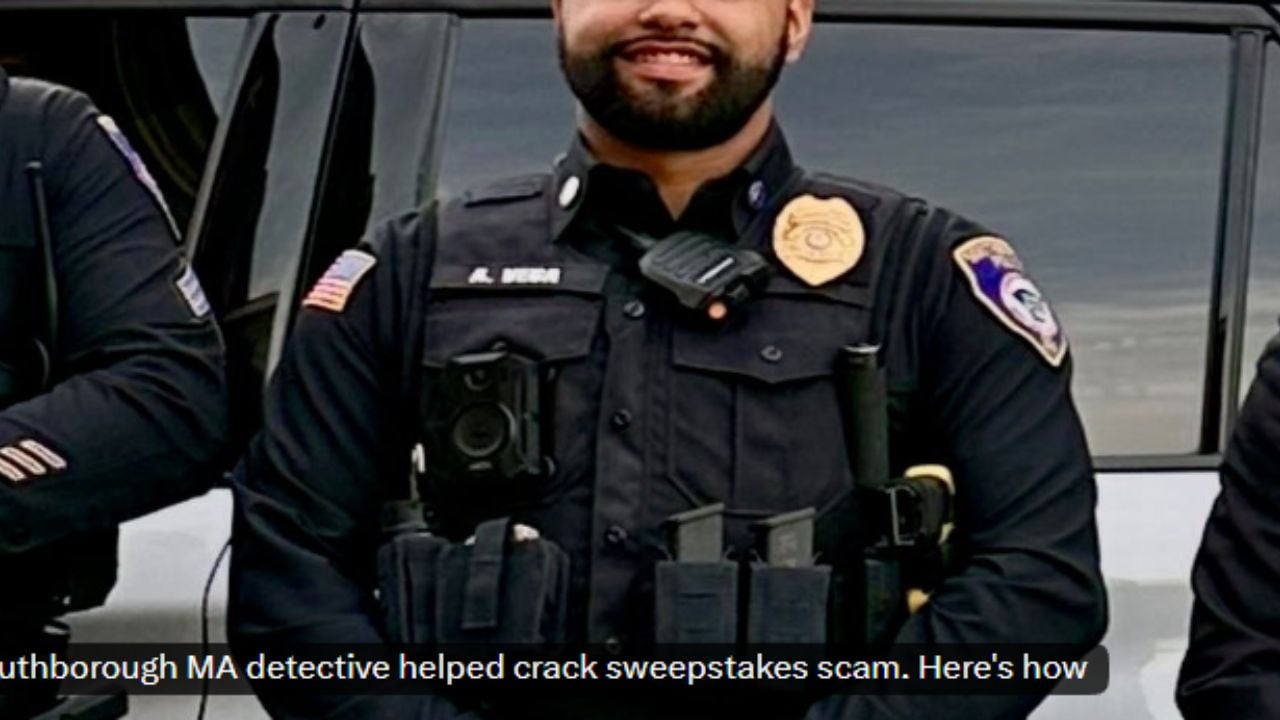
A Southborough police detective is being credited with helping to crack a nationwide “sweepstakes” scam. https://t.co/29xgh5Ao7m
— The Patriot Ledger (@PatriotLedger) June 27, 2026
According to the indictment, the defendants and others bought lists containing names of elderly people in Connecticut and across the United States. Prosecutors said they then contacted people on those lists and falsely told them they had won millions in a Publishers Clearing House sweepstakes.
The victims were told the prize money could not be released until they paid upfront costs. Those costs were described as fees or taxes, and prosecutors said victims were directed to send checks, cash, and money orders to the defendants and other people connected to the scheme.
U.S. Attorney David X. Sullivan said legitimate sweepstakes winners never need to pay upfront fees or taxes to claim a prize. Anyone demanding money to release a lottery or sweepstakes payout is running a fraud, he said.
The “Sponsor Program” Allegedly Used Victims To Move Other Victims’ Money
The indictment describes another part of the alleged scheme involving what scammers called a “sponsor program.” Some victims were allegedly told to send money to other victims.
The people receiving that money were made to believe it came from prior sweepstakes winners who were helping “sponsor” them by covering their fees or taxes, prosecutors said. Those “sponsored” victims were then allegedly directed to send the money onward to other victims, defendants, or associates.
Under the government’s allegations, a victim could believe they were receiving help from a real prior winner while the money was actually being moved through a chain controlled by the alleged fraud network.
Victims Also Gave Up Personal And Financial Information
Federal prosecutors said the alleged scheme did not stop with checks and money orders. The indictment says some victims provided driver’s licenses, other personal identifying information, and banking and credit card information.
Prosecutors said participants in the scheme used that information for personal expenditures. The government also alleges that some victims’ Social Security benefits were diverted into Green Dot banking accounts opened and controlled by scheme participants.
IRS Criminal Investigation Special Agent in Charge Thomas Demeo said the defendants are accused of stealing from elderly victims and siphoning off Social Security benefits that many older Americans rely on.
Six Defendants Were Charged In New Haven
The defendants are Andre-Jon Gayle, 33, of Fort Lauderdale, Florida; Aaliyah Mayne, 25, of Dania, Florida; Onaje Chevers, 29, of Dania, Florida; Matthew Hutchinson, 24, of Williamsburg, Virginia; Courtney Reynolds, 31, of Miami, Florida; and Roshaun Thompson, 24, of Fort Lauderdale, Florida.
Federal prosecutors said Gayle, Mayne, Chevers, Hutchinson, and Reynolds are citizens of Jamaica. Thompson is a U.S. citizen.
Each defendant was charged with one count of conspiracy to commit mail fraud and wire fraud, five counts of mail fraud, four counts of wire fraud, and one count of conspiracy to commit money laundering. Each charge carries a maximum sentence of 20 years in prison, according to the U.S. Attorney’s Office.
Four Pleaded Not Guilty And Two Remain Detained
Prosecutors said Mayne, Chevers, and Reynolds were arrested June 4. Thompson was arrested June 5, Hutchinson on June 9, and Gayle on June 10.
Gayle, Hutchinson, Reynolds, and Thompson appeared in Bridgeport federal court Thursday, pleaded not guilty, and were released on $250,000 bonds. Mayne and Chevers remain detained, according to the U.S. Attorney’s Office.
No Real Prize Starts With A Payment Demand
The Federal Trade Commission says real prizes are free. A caller who says a winner must first pay “taxes,” “processing fees,” “shipping,” or another charge before receiving prize money is describing a scam.
Families can watch for warning signs when an older relative suddenly talks about a sweepstakes win, a secret prize claim, a courier pickup, gift cards, money orders, cash withdrawals, or checks being mailed to strangers. A real sweepstakes does not require winners to move money through other people or send personal banking information to unlock a prize.
Anyone who receives a prize call can hang up and verify the claim through the company’s official website or customer-service number. The FTC also advises people to report prize scams at ReportFraud.ftc.gov.