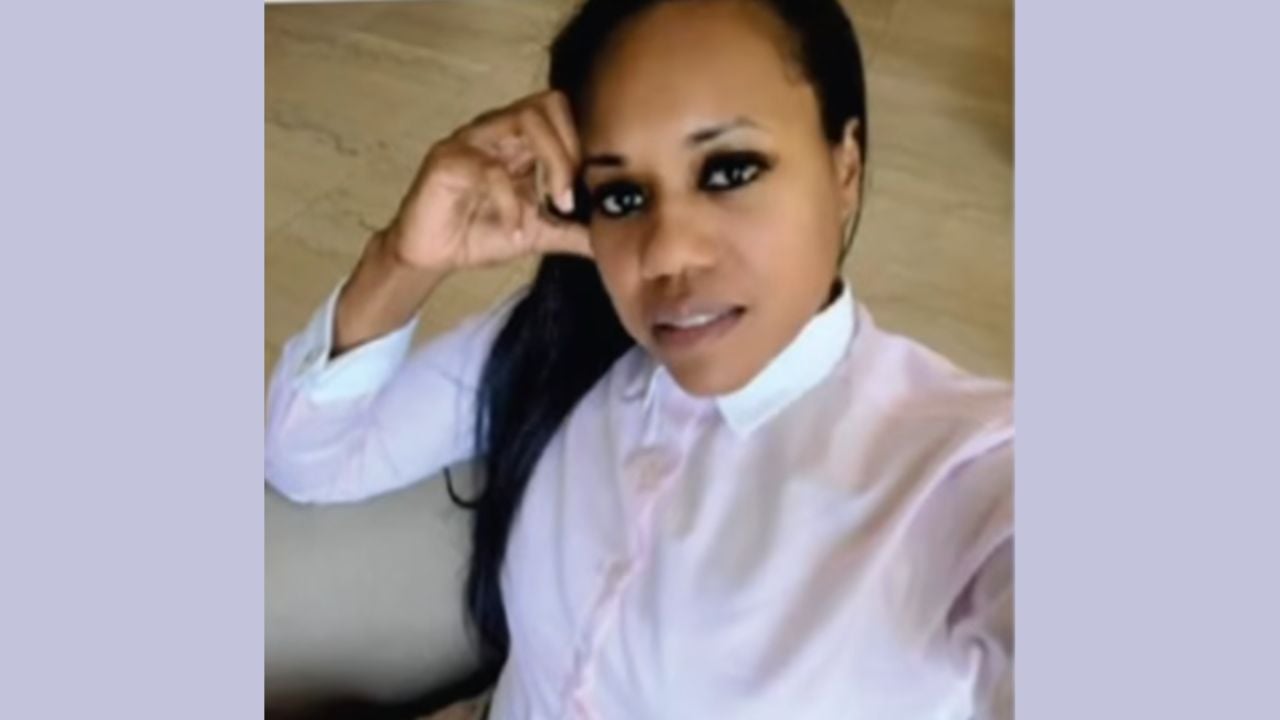
A Michigan woman who portrayed herself as an ambassador, hotel owner and private banker is facing a federal wire fraud charge after investigators say those credentials helped convince a California businessman to send $200,000.
Shannon Monet Steel, 42, of Farmington Hills, promoted Steel Private Bank and allegedly represented that the institution controlled nearly $350 million in assets. Federal investigators say they found no U.S. registered bank owned by Steel and no FDIC-insured institution under her ownership.
The criminal complaint centers on a purported Deutsche Bank confirmation letter stating that Steel Private Bank controlled an account containing more than 300 million euros. The businessman says he relied on that document while pursuing financing for a land development project.
He ultimately wired $200,000 to an escrow account at a bank in Southfield, Michigan. Deutsche Bank later told investigators that the confirmation letter was not authentic and that the account number printed on it was an internal Deutsche Bank settlement account, not an account belonging to Steel Private Bank.
The Investor Was Encouraged to Research Steel Before Sending Money
The California businessman was looking for loans and other financing for a land development project when an associate introduced him to Steel, according to the federal complaint described by WDIV Local 4 and other reporting on the case. Before entering the deal, a representative of Steel encouraged the businessman to “look her up.”
His research produced websites, social media posts and other online material portraying Steel as a successful banker, ambassador, hotel owner and recipient of a presidential volunteer-service award.
A Diplomatic Security Service agent who investigated Steel wrote that her public image included representations that were materially false or grossly misleading. That characterization is part of the government’s criminal complaint and has not been established at trial.
The $200,000 Was Supposed to Help His Company Obtain Credit
The businessman eventually met Steel at a Detroit hotel in January 2026. According to the complaint, Steel proposed an arrangement under which the investor’s company would pay $200,000 in exchange for a letter that could be used to obtain credit backed by Steel Private Bank.
The businessman entered a written agreement and later wired the $200,000 to an escrow account at a bank in Southfield. Steel allegedly represented that her private bank controlled almost $350 million in assets through the Deutsche Bank relationship.
Deutsche Bank Said the Confirmation Letter Was Not Authentic
Federal investigators contacted Deutsche Bank’s anti-fraud team in June and asked the bank to examine the document. Deutsche Bank told investigators that it had not issued the confirmation letter and that the document was not authentic.
The account number created another problem. According to the federal complaint, Deutsche Bank investigators determined that the number was actually associated with an internal settlement account at the bank. The government alleges that the false document, together with Steel’s statements and public persona, helped persuade the businessman that she controlled the financial resources necessary to support the deal.
Investigators reported that they could not locate a bank registered by Steel in the United States or an FDIC-insured institution owned by her. Steel Private Bank’s current website describes the business as an offshore private bank and says it is licensed in the Autonomous Island of Mwali in Comoros. The site explicitly states that Steel Private Bank is not a U.S.-chartered bank, is not regulated by U.S. federal banking authorities and does not offer U.S. banking services.
Federal Investigators Also Examined Her Ambassador Claims
The investigation began after a reporter contacted the State Department’s Diplomatic Security Service seeking to verify Steel’s claimed ambassador credentials. Investigators found that Steel was not an accredited diplomat representing any country to the United States and did not work for the U.S. government as an ambassador or diplomat, according to reporting on the complaint.
Steel’s own current biography uses more limited wording. It describes her as an ambassador for an organization connected to the First Lady of the Central African Republic. Investigators did find that one credential in Steel’s public biography had a factual basis, reporting on the complaint says she received a Presidential Lifetime Achievement Award in 2024 for claimed volunteer service.
The Hotel History Is More Complicated Than the Federal Allegations Suggest
Federal reporting on the new case says investigators questioned Steel’s claims about acquiring and renovating the former Embassy Suites property in Southfield and cited city officials who said the hotel had never been authorized to open. Separate court records, however, show a more complicated history.
A 2024 federal court opinion involving Steel, Aaron Morris and Management Solutions Holdings says the company entered into a Ramada franchise agreement for the Southfield property in 2019.
In summarizing allegations made by Steel and her company in that separate lawsuit, the court said the city issued a temporary certificate of occupancy while upgrades were completed and that the operators later held a grand opening in March 2020. Ramada also later sued Management Solutions Holdings, Steel and Morris over the franchise relationship and obtained a default judgment.
Steel Was Released on a $10,000 Unsecured Bond
Steel appeared in federal court in Detroit on Sept. 1 and was released on a $10,000 unsecured bond. She faces one federal wire fraud charge. Wire fraud carries a maximum possible penalty of 20 years in federal prison.
The case is at the criminal-complaint stage, and Steel is presumed innocent unless prosecutors prove the allegation beyond a reasonable doubt.
Verify the Bank and the Bank Letter Before Wiring a Large Fee
For a U.S. institution, the FDIC’s BankFind Suite can confirm whether a bank is FDIC insured and show its official name, location and regulatory history. An institution claiming to be offshore will not necessarily appear there, so investors should independently identify the foreign regulator it claims licenses the bank and verify that registration directly with the regulator.
Proof-of-funds and bank confirmation letters deserve their own verification. Contact the bank whose name appears on the document using contact information obtained independently from the bank’s official website. The same applies to escrow. Before sending a large deposit or financing fee, independently confirm the escrow agent, the name on the receiving account, the conditions governing release of the money and what happens if the promised financing never materializes.
If the transaction involves securities or investment advice, investors can also check the person or firm through FINRA BrokerCheck and the SEC’s Investment Adviser Public Disclosure database. Anyone who discovers that a large wire may have been induced by fraudulent documents should contact the sending bank immediately and ask whether the transfer can be recalled or frozen.