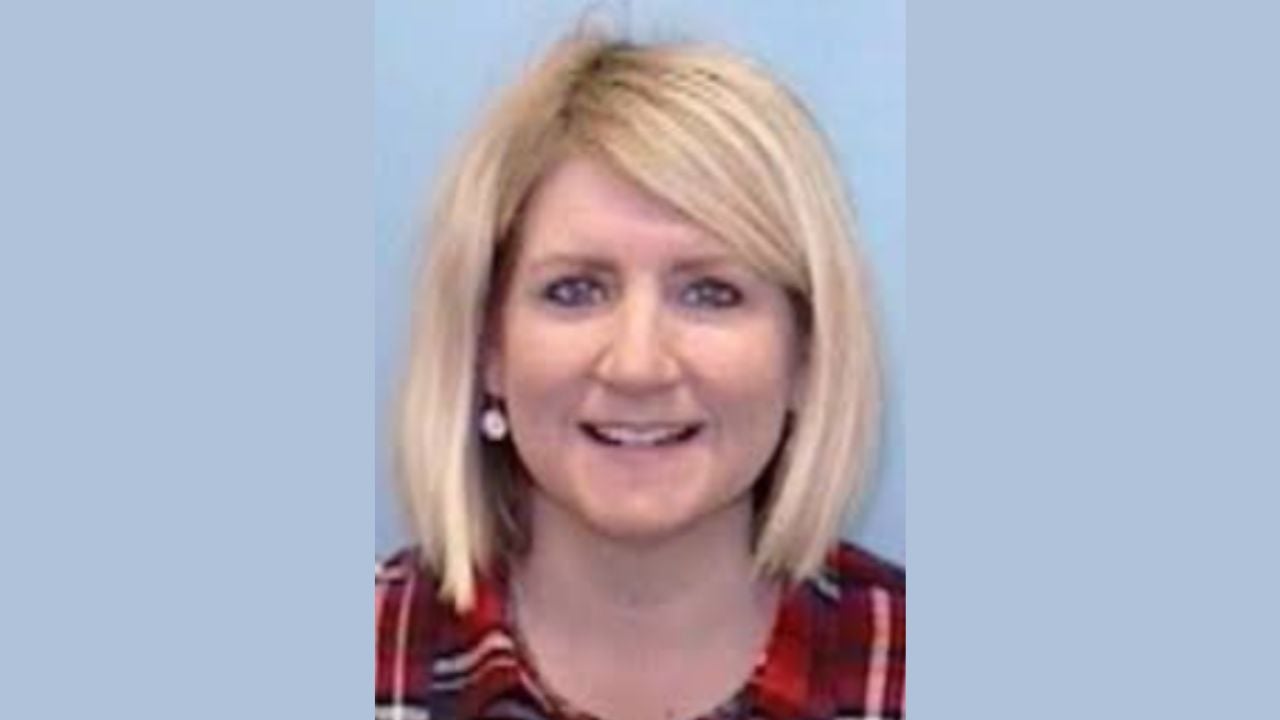
A Raleigh paving company was allowed to continue operating after filing for Chapter 11 bankruptcy, but all business revenue was supposed to pass through designated bank accounts disclosed during the court proceeding.
Owner Tracey Dixon Perry instead diverted company checks into concealed accounts and filed monthly reports falsely claiming that all income had been deposited as required, federal prosecutors said.
While the bankruptcy remained active, Perry also obtained a $183,500 Paycheck Protection Program loan after stating that the company was not involved in bankruptcy. She concealed that money and a separate Economic Injury Disaster Loan from the court.
Chief U.S. District Judge Richard E. Myers II sentenced the 51-year-old business owner to 16 months in federal prison, 12 months of home confinement and two years of supervised release, according to the U.S. Attorney’s Office for the Eastern District of North Carolina.
Perry must also pay $425,146 in restitution.
The Company Continued Operating During Chapter 11
Perry owned and operated Dixon Paving Inc., an asphalt milling and paving company based in Raleigh. She signed and filed a Chapter 11 bankruptcy petition on the company’s behalf on February 14, 2020.
The bankruptcy court permitted Dixon Paving to remain in business as a debtor in possession. Under that arrangement, the company retained control of its operations but was required to establish new debtor-in-possession bank accounts and deposit all business receivables into them.
Those accounts allowed the bankruptcy administrator, court and creditors to track the company’s finances while the case proceeded. Dixon Paving was also required to submit monthly operating reports accurately identifying its revenue and outside financing.
Perry Diverted Company Checks Into Concealed Accounts
Four days before filing for bankruptcy, Perry directed the opening of a bank account for an affiliated company, Dixon Contracting LLC. Prosecutors described it as a secret account that was not disclosed in the bankruptcy proceeding.
On the day Dixon Paving filed its petition, Perry deposited a substantial corporate check into one of the concealed accounts. She continued diverting checks payable to Dixon Paving into accounts outside the required debtor-in-possession banking system.
Perry established another undisclosed Dixon Paving account on February 28, 2020. That same day, she signed the company’s schedule of assets and liabilities under penalty of perjury but intentionally omitted the secret accounts, according to prosecutors.
Her subsequent monthly operating reports falsely stated that Dixon Paving had deposited all of its income into the designated accounts.
A $183,500 PPP Loan Was Hidden From the Bankruptcy Court
While the bankruptcy case remained pending, Perry applied for a Paycheck Protection Program loan on behalf of Dixon Paving. The application asked whether the company was involved in an active bankruptcy. Perry selected “no.”
Dixon Paving received $183,500 in PPP funds on May 6, 2020. Perry did not seek the bankruptcy court’s approval before obtaining the outside financing. She then filed monthly reports denying that the company had received third-party funding, prosecutors said.
The Justice Department said Perry used the same methods to conceal an additional loan obtained through the Economic Injury Disaster Loan program.
The Guilty Plea Led to Prison and Restitution
Perry pleaded guilty on November 4, 2025, to concealing bankruptcy assets. The concealed property included company revenue and PPP funds that should have been disclosed to the bankruptcy court, the U.S. Bankruptcy Administrator and creditors of the bankruptcy estate.
Judge Myers imposed the 16-month prison sentence, followed by two years of supervised release. Perry must also complete 12 months of home confinement and repay $425,146 in restitution.
The case was investigated by the U.S. Department of Transportation Office of Inspector General with assistance from the Office of the U.S. Bankruptcy Administrator for the Eastern District of North Carolina.
The Federal Highway Administration suspended Perry, Dixon Paving and Dixon Contracting on December 11, 2025, following her guilty plea.
Business Owners Must Disclose Accounts, Revenue and New Financing
A company operating under Chapter 11 generally remains in control of its business as a debtor in possession, but it must account for bankruptcy-estate property and submit the financial information required by the court and bankruptcy administrator. That includes accurate operating reports and compliance with requirements governing business income, expenses and bank accounts.
Owners should use only authorized debtor-in-possession accounts, preserve bank statements and transaction records, and ensure that every source of revenue is accurately reported. Before obtaining a loan, opening another account, moving company funds or accepting outside financing, they should consult experienced bankruptcy counsel and determine whether court approval or additional disclosure is required.
Any omitted account, payment or financing should be reported and corrected promptly rather than concealed through additional filings. Business owners must also answer government loan applications truthfully, because false eligibility statements can lead to repayment demands, loss of forgiveness and potential civil or criminal consequences.