Arslan Chaudhry had been a USAA customer for 21 years when several calls appeared to come from the bank’s customer-service number.
The person on the line presented the calls as an effort to protect Chaudhry’s account. He and his wife were instructed to move money from USAA into another account where it would supposedly remain safe.
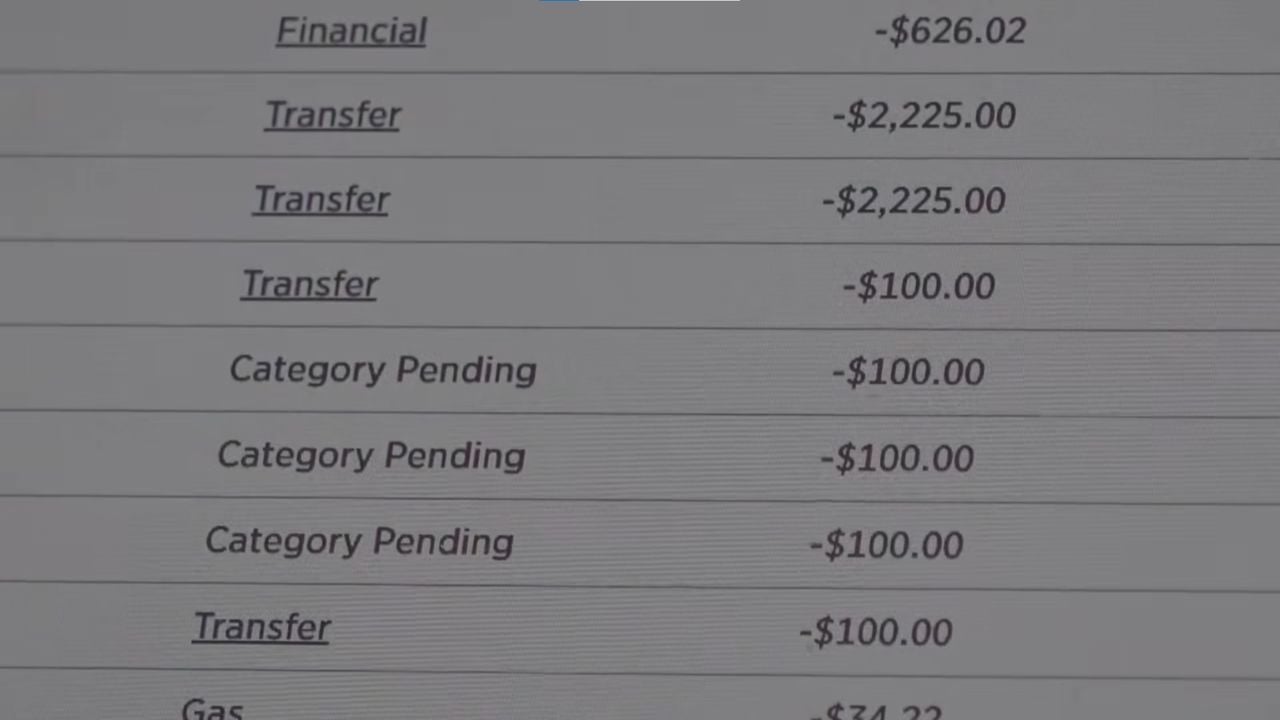
They followed the instructions and transferred $15,000. Instead of protecting the money, the transaction placed it under the scammers’ control.
Chaudhry told 13News Now that the scheme began July 16. The available report did not confirm that any of the money had been recovered.
The Number Appeared to Belong to USAA
Chaudhry received multiple calls that appeared on his phone as communications from USAA. Because the displayed number matched the bank’s customer-service information, he believed the person speaking to him was connected to his account.
Chaudhry had maintained his relationship with USAA for more than two decades. He said the operation imitated more than USAA’s telephone number. The scammers also reproduced communications resembling the bank’s emails and verification-code process, making the interaction appear connected to a legitimate security investigation.
The callers then instructed Chaudhry and his wife to move money from their USAA account into another account to protect it. The transfer was presented as the solution to the supposed danger rather than the transaction that would cause the loss. By the time the couple realized they had not been communicating with USAA, $15,000 was gone.
USAA Says It Will Not Tell Customers to Move Their Money
USAA’s scam guidance says the company will not ask customers to move money to stop fraud or protect their funds. The bank also says it will not call or text customers to request a password, PIN or one-time security code. Its representatives will not instruct customers to transfer, send or withdraw money.
USAA advises customers who receive a suspicious communication to end the conversation and contact the company directly through a verified number or its official app. A caller ID display, familiar email design or security message does not establish that the communication came from the bank.
Unexpected calls can be reported through USAA’s fraud-reporting system.
Never Transfer Money to a “Safe” Account
A bank employee does not need a customer to move money into an unfamiliar account to protect it from fraud. Instructions to transfer funds, reveal a verification code or act before ending the call are signs that the person may be attempting to take control of the account.
Anyone receiving that type of call should hang up without pressing a callback number or following instructions sent by text or email. The customer should then open the bank’s official app or call a number printed on a bank card or statement to ask whether a genuine security alert exists.
People who have already transferred money should contact their bank immediately, report the transaction as fraud and ask whether it can be stopped, recalled or reversed. They should preserve telephone numbers, emails, text messages, account details and transaction records for the bank and investigators.
The Federal Trade Commission also advises victims to contact the company used to send the money as quickly as possible and report the incident at ReportFraud.ftc.gov.