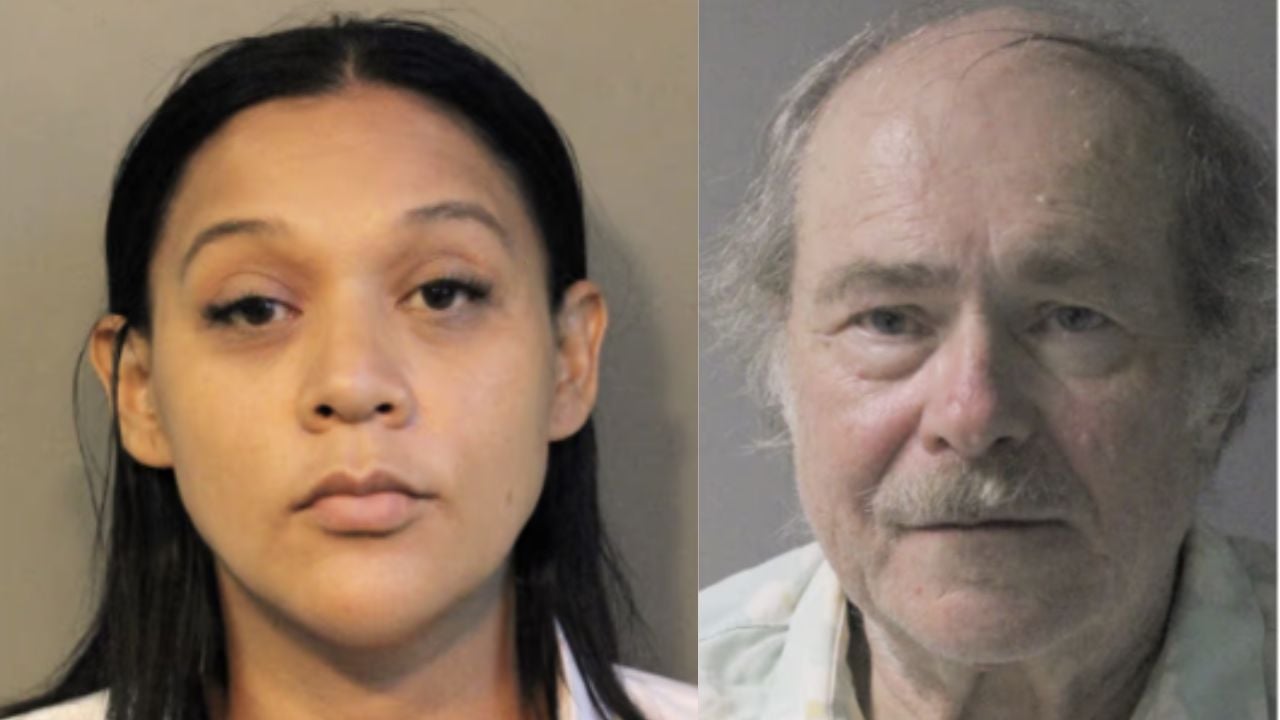
A 49-year-old woman paid $7,000 for the first month’s rent and a security deposit on a Long Island home, only to return the next day and discover that the people who arranged the rental did not own the property, police say.
The victim had agreed to rent a house on Meadowbrook Road and met in person with a man and woman on July 17. When she returned the following day to collect paperwork, she instead encountered the 42-year-old actual homeowner, who told her he had never rented the property to anyone.
The homeowner also discovered that an outdoor lockbox had been damaged and the key stored inside was missing, according to Daily Voice. Nassau County police later linked the case to Aurelia Soogea, 39, of West Hempstead, and William Fickbohm, 71, of Lakeview.
Police announced Fickbohm’s arrest on September 6, making him the second person charged in connection with the Meadowbrook Road case. Investigators say he and Soogea were also responsible for fraudulent residential rentals in several other Nassau County communities.
The Victim Met the Supposed Landlords in Person
The Meadowbrook Road case went beyond a fake online listing. Police say the victim met the man and woman arranging the rental face to face and handed over $7,000 for the first month’s rent and security deposit.
She returned to the property on July 18 expecting to collect paperwork. Instead, she met the real homeowner, who said he had never agreed to rent the house to anyone.
The homeowner told police that a lockbox outside the house had been damaged and that the key kept inside was missing. Police have not publicly detailed exactly how the people arranging the rental gained access to the property.
Police Arrested Soogea First, Then Fickbohm
Detectives arrested Soogea in West Hempstead on August 19 in connection with the Meadowbrook Road case. Police say she also presented investigators with a fraudulent New York State driver’s license.
Authorities later identified Fickbohm as the second person connected to the rental. News 12 reported that police announced his arrest on September 6.
Both defendants face multiple charges that include second degree burglary, third degree grand larceny and first degree scheme to defraud. Fickbohm also faces a criminal possession of a forged instrument charge. The charges are accusations and have not been proven in court.
Police Say the Rental Scheme Reached Several Communities
Investigators say the Meadowbrook Road transaction was not the only rental connected to the pair. Police allege Fickbohm and Soogea were responsible for multiple fraudulent residential rentals in West Hempstead, East Meadow and Hicksville.
Detectives also accuse Soogea of carrying out an additional fraudulent rental in Hicksville without Fickbohm. Authorities have not publicly disclosed a combined loss amount for all of the rental cases or identified every person who may have paid money.
Nassau County detectives are looking for other possible victims. Anyone who believes they experienced a similar incident can contact Nassau County Crime Stoppers at 1-800-244-TIPS or the Third Squad at 516-573-6353.
Seeing a Rental in Person Does Not Prove the Landlord Owns It
The Federal Trade Commission recommends verifying who owns or manages a rental before paying a security deposit or first month’s rent. Someone dealing with a private landlord can search city or county tax assessment records for the property owner and then compare that information with the landlord’s identification.
An in-person visit is useful, but the FTC warns that it is not a guarantee that the person offering the property is authorized to rent it. Scammers can sometimes arrange access to real properties, including through self-guided tours. The agency has also previously warned about scammers gaining access to lockbox keys and posing as legitimate rental agents.
Renters should search the property address online before paying. If the same home appears with a different landlord, management company or rental price, the FTC says that can signal a fraudulent listing. If a company supposedly manages the property, renters can contact it through the company’s independently located website and confirm that both the property and the person handling the rental are legitimate.
Payment demands also deserve scrutiny. The FTC warns against landlords who insist on payment by wire transfer, gift card or cryptocurrency because those methods can make recovering the money difficult. Suspected rental scams can be reported to local law enforcement, the website where the listing appeared and the FTC at ReportFraud.ftc.gov.