A Kentucky woman lost more than $150,000 in two weeks after scammers convinced her that she had been hacked and needed to move money out of her accounts.
The woman was instructed to withdraw large amounts of cash and either mail the money or hand it to people in person, according to court records reviewed by Barrenside.
Then another demand arrived. On Aug. 12, the woman was told to withdraw $26,000 and meet someone in a Family Dollar parking lot on Columbia Avenue. By then, police knew about the planned exchange and positioned officers nearby.
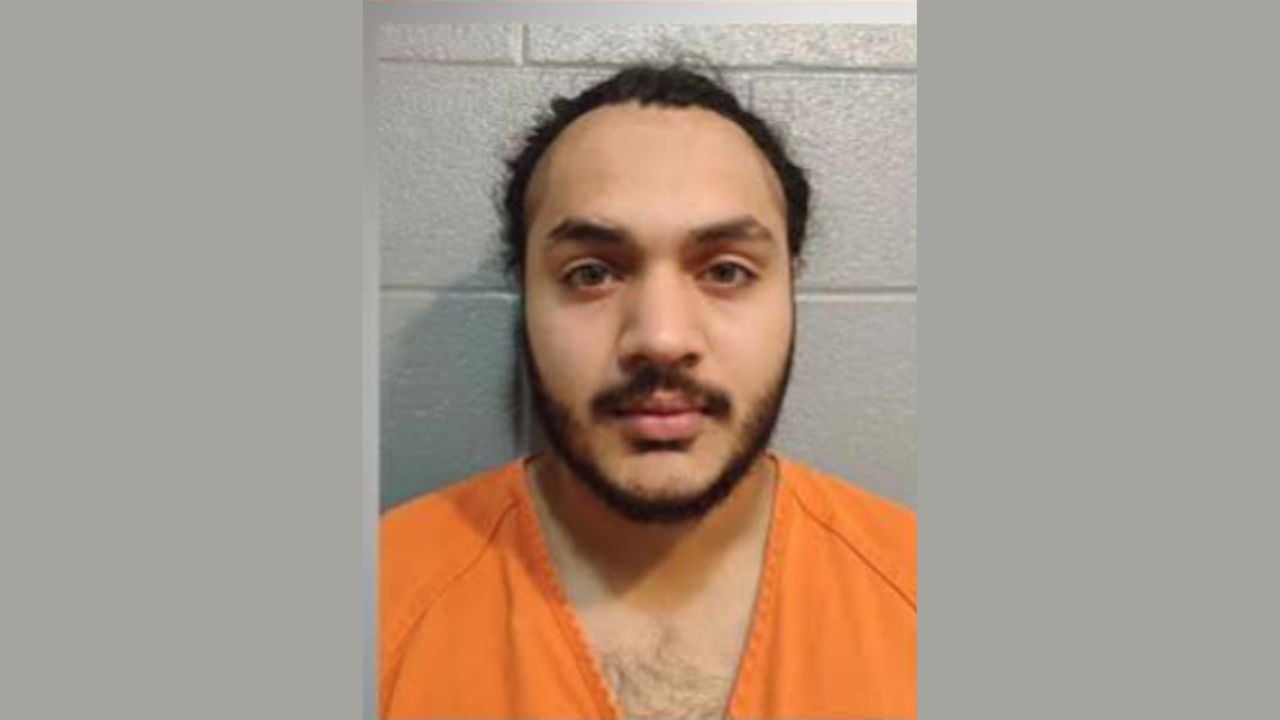
Investigators arrested 24-year-old Akashdeep Singh of Manteca, California, as he allegedly approached the woman to collect the money. Police say Singh later told investigators he had traveled across the country to pick up money from people and expected to receive $500 after turning the cash over to someone else.
She Lost More Than $150K
According to a search-warrant affidavit filed in Barren Circuit Court, someone told the woman that she had been “hacked” and needed to secure her financial accounts.
The supposed solution was to remove the money herself. Investigators said she was directed to make large bank withdrawals and then either mail or give it to someone. Over approximately two weeks, the woman reported losing more than $150,000.
The Next Demand Was for $26,000
The requests did not stop after the woman had already lost six figures. On Aug. 12, she was instructed to withdraw another $26,000 and bring it to the Family Dollar parking lot on Columbia Avenue in Glasgow.
Court records say the person communicating with her told her that the man coming for the money could see her and would approach her vehicle.
The additional $26,000 was not another completed loss. Police intervened before that handoff occurred, so it should remain separate from the money that the woman reported already losing.
Multiple Agencies Waited Around the Family Dollar
By the time the second pickup was scheduled, the Glasgow Police Department was investigating. Members of the department’s Criminal Investigation Division and Patrol Division coordinated with the Barren River Drug Task Force and Kentucky State Police for an enforcement operation at the Family Dollar.
According to WBKO, officers positioned themselves around the area and waited for the person expected to meet the victim. Police say Singh arrived in a silver 2025 Ford Explorer bearing Colorado registration. He got out of the vehicle and allegedly approached the woman as officers watched.
Investigators moved in as Singh allegedly approached the victim to retrieve the money. The affidavit says he was on the phone when officers arrested him. Police seized the Ford Explorer and secured it at the Glasgow Police Department. Investigators also took possession of an Apple iPhone they said belonged to Singh.
A WhatsApp Call Was Visible on the Seized Phone
The phone became another focus of the investigation. According to the affidavit, an officer saw a WhatsApp call on the device from a number that did not appear to have a U.S. area code.
Investigators later obtained a search warrant authorizing them to examine the phone for communications and other evidence associated with the alleged scheme. The seized vehicle could also provide evidence about Singh’s movements and activities. Police said it was being held as part of the continuing investigation.
After his arrest, Singh allegedly told investigators that he had traveled from California to Chicago, then to Indianapolis and finally to Glasgow to retrieve money from people. Court records list his address as Manteca, California. According to the affidavit, Singh said he was supposed to give the collected money to another person and receive $500 in return. If established in court, that account would place him in the alleged scheme as a cash collector.
Singh Faces Organized Crime and Theft Charges
Police charged Singh with engaging in organized crime and theft by deception involving more than $10,000. He appeared for arraignment in Barren District Court on Aug. 13, where his bond was set at $150,000 cash, according to Barrenside. Court records also list an immigration hold.
Barrenside reported that local authorities said the Barren County criminal case would be addressed before the immigration matter. Police have said additional charges are possible as the investigation continues. Singh has been charged, not convicted, and the allegations against him remain to be resolved in court.
The FBI Has Warned About Couriers Collecting Victims’ Cash
The FBI’s Internet Crime Complaint Center says criminals running technology-support and government-impersonation scams sometimes direct victims to withdraw cash or buy precious metals and then send couriers to retrieve the assets at a home or public meeting place.
The Federal Trade Commission also warns that instructions to move money in order to “protect” it are a scam. Legitimate government officials will not tell someone to withdraw cash and give it to another person, and a financial institution does not protect a compromised account by sending an unknown collector to a parking lot.
End the unexpected call and contact the bank directly using the number on the back of a debit or credit card, a bank statement or the institution’s official website. Do not use a number or link supplied by the person claiming that the account is in danger.
Act Quickly if Cash Has Already Been Mailed or Handed Over
A victim who has already withdrawn money should contact the bank immediately and explain that the transaction was made because of fraud. Even when the withdrawal itself was authorized by the account holder, rapid reporting can help the institution document what happened and secure the remaining accounts.
If cash was sent through the U.S. mail or another delivery company and has not yet arrived, contact the carrier immediately and ask whether the package can be intercepted. The FTC advises scam victims who mailed cash to act as quickly as possible because there may still be an opportunity to stop delivery.
Internet- or technology-enabled fraud can be reported to the FBI through IC3.gov. Victims should include as much detail as possible about telephone numbers, messaging accounts, addresses, payment instructions, couriers and vehicles involved.