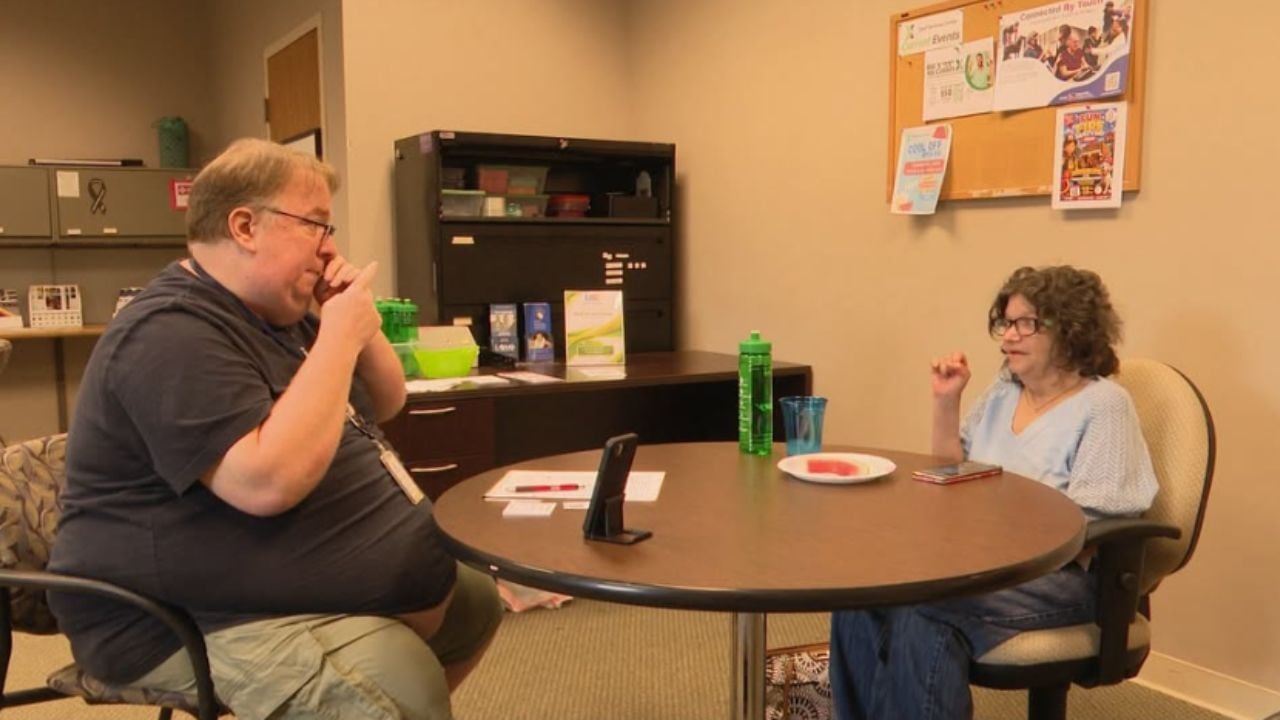
A Toledo woman believed someone from a local service organization was helping her move into a new home. Months later, she had lost $12,000, fallen behind on rent and was forced from the home she already had.
Deborah Huber said the person posed as an employee of Toledo’s Deaf Services Center and promised to help her find a house and furnish it, according to 13abc.
The contact began with a Facebook notification at the start of 2026 and moved to WhatsApp. Huber said the person even sent what appeared to be a deed for the house, helping make the promised move look legitimate while she continued providing gift cards.
By the time Huber realized no new home was coming, she said she had lost $12,000 and stopped paying rent because she believed she was about to leave her existing residence. On Aug. 13, 13abc reported that the eviction was carried out and Huber was seen packing her belongings into a shopping cart.
The Scammer Posed as Someone She Had Reason to Trust
Huber is deaf, and the person contacting her claimed to work for the Deaf Services Center, an Ohio organization that provides advocacy, communication access, employment assistance and other resources for deaf and hard-of-hearing people.
The real Deaf Services Center operates services in northwest Ohio and publishes official contact information through its own website. Nothing in the reporting indicates that the organization itself was involved in the alleged scheme.
Kyle Parke, a deaf and hard-of-hearing specialist with the organization, later became involved in helping Huber deal with the consequences.
The Messages Continued for Months
Huber said the contact started through Facebook near the beginning of the year. The conversation then moved to WhatsApp, allowing the person to communicate with her directly over a period of months.
The offer became increasingly specific. Huber was told she would receive help finding another home and obtaining new furniture, and the person sent her what appeared to be a deed for the property she expected to move into.
Huber also told 13abc that money sometimes came back to her after she provided gift cards. By the end of the interaction, Huber said she had provided $12,000. The promised house never materialized. When the expected moving date arrived, the moving truck she had been told to expect did not show up.
She Stopped Paying Rent Because She Thought She Was Leaving
The scam’s financial consequences went beyond the $12,000 Huber says she sent. Believing another home was waiting for her, she stopped paying rent at her current residence. By the time it became clear there would be no move, she had accumulated a substantial amount of unpaid rent. Parke told 13abc that Huber’s landlord went to court seeking eviction and that the case had already brought her to court twice.
The Eviction Was Carried Out on Aug. 13
When 13abc first reported Huber’s story on Aug. 12, Parke said Huber, her son and their dogs were scheduled to face eviction the following morning.
Her son had found another place to stay, but Huber had not. She told the station that her hearing aids had recently broken and that she was worried about finding somewhere she could communicate with people through sign language.
The following day, 13abc provided an update saying the eviction had been carried out. A station reporter said she watched Huber pack her possessions into a shopping cart that morning.
Huber’s immediate housing problem was complicated by a communication-access issue. She told 13abc that her hearing aids had recently stopped working and that she did not know where she could go where someone would know how to sign.
Three Other Deaf People Reported Similar Approaches
Parke told 13abc that Huber’s experience did not appear to be the only recent situation involving questionable money requests directed at deaf residents.
He said three other deaf people had recently come to the Deaf Services Center with stories that were not identical but followed a similar pattern. No identified suspect has been publicly linked to Huber’s case, and the similarity between the reports is not proof that they are part of one coordinated operation.
Huber filed a police report. Parke also said the people behind her scam continued attempting to contact her even after the loss had been discovered.
Gift Cards Are a Major Warning Sign
The payment method should trigger immediate skepticism when someone claims to represent a housing organization, charity, government office or other service provider.
The Federal Trade Commission warns that demands for payment through gift cards are characteristic of scams because the value can be transferred quickly and is difficult to recover. Someone with the card number and PIN can often use the balance without possessing the physical card.
A real organization offering housing assistance should be independently verified before money or personal information changes hands. If someone claims to work for the Deaf Services Center, contact the organization through the telephone, video-phone or email information published at DSC.org rather than through contact details supplied by the person making the offer.
Verify the House Before Making Financial Decisions Around It
A promised home should be independently confirmed before a renter stops paying for an existing one, gives notice or commits money to a supposed move. Verify ownership and property records independently through the appropriate county records office, and confirm directly with the landlord, seller, housing agency or nonprofit using contact information obtained separately.
Toledo Housing Court lists paying rent when due as a tenant responsibility and provides legal-assistance resources for residents facing an eviction case. Anyone already facing eviction should seek help immediately rather than assume the process cannot be addressed.
Toledo Housing Court lists its Help Center and Mediation Services Office, Legal Aid of Western Ohio, Advocates for Basic Legal Equality and other local services for tenants who need assistance. People in Lucas County who are already homeless or in danger of losing housing can also call 211 for connections to shelters, food assistance and housing resources. Local providers told 13abc that shelter availability is strained, making early contact especially important.