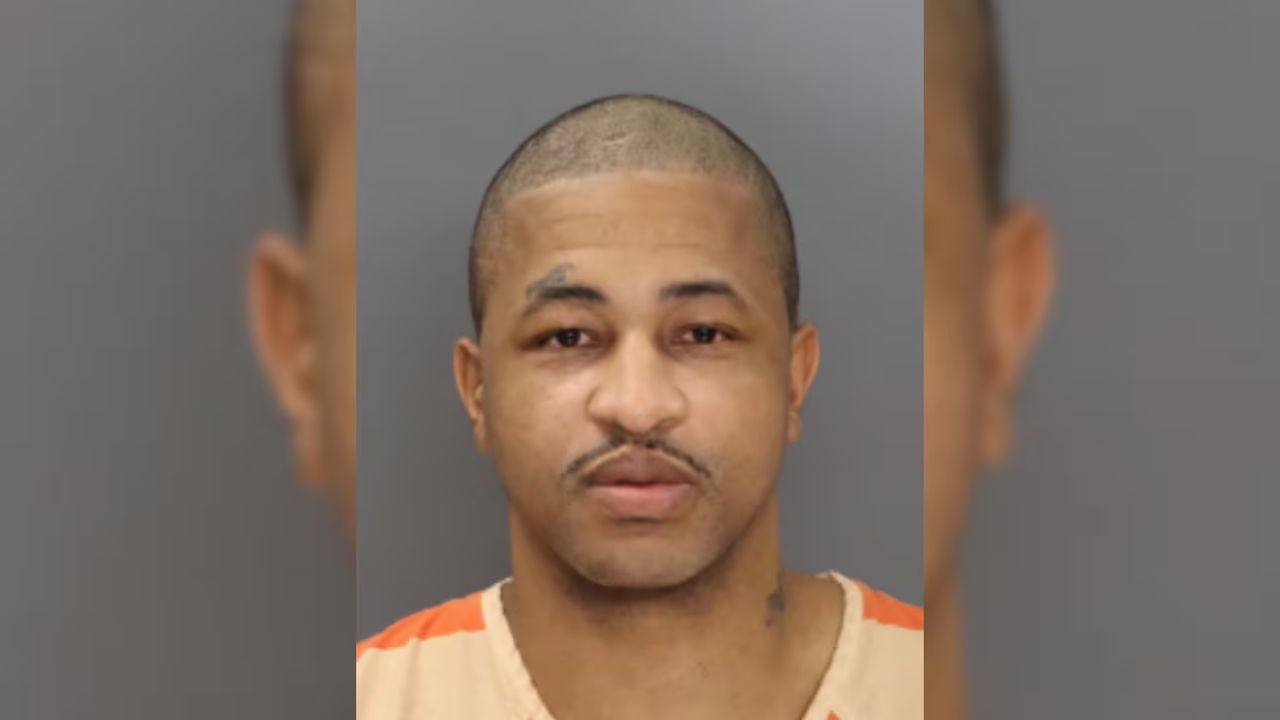
A South Carolina prison inmate is facing new charges after state investigators said he stalked one victim from behind bars and used a vulnerable adult’s personal information to try to open financial and online accounts.
Lamarcus Alexander Stewart II, 37, has been incarcerated in the South Carolina Department of Corrections since Dec. 6, 2021, and is currently housed at Turbeville Correctional Institution, according to FOX Carolina.
The South Carolina Law Enforcement Division said Stewart was charged with stalking on May 19, then charged on June 16 with exploitation of a vulnerable adult and financial identity fraud.
The charges are based on arrest warrants that describe separate allegations involving threats, personal information, and a vulnerable victim whose identity was allegedly used while Stewart was in prison.
Warrants Say Threats Were Sent From Behind Bars
According to arrest warrants cited by FOX Carolina, Stewart repeatedly sent threatening messages to a victim in August 2025 while he was incarcerated. The warrants say he claimed he had been hired to kill the victim, sent pictures of the victim’s home, and referenced the victim’s personal information.
SLED Says A Vulnerable Adult’s Identity Was Used
The exploitation and identity-fraud charges involve a second set of allegations. FOX Carolina reported that warrants accuse Stewart of abandoning a victim in September 2018 while the victim was having a stroke. Investigators said he then took the victim’s vehicle and personal identifying information without consent.
Officials said that victim is now permanently paralyzed and disabled. Stewart is also accused of using that same victim’s personal identifying information in August 2025 to open financial and online accounts in an attempt to obtain credit and other financial resources for his own benefit while he was in prison.
The Financial Allegation Is Identity Fraud
The most direct money-crime allegation is not a phone scam or a stolen debit card. SLED alleges Stewart used a vulnerable adult’s personal information to try to access credit and financial resources from behind bars.
The available public reporting does not list a dollar amount, identify the financial companies involved, or say whether any credit was actually obtained. That matters for accuracy: the reported allegation is attempted financial identity fraud, not a confirmed financial loss.
SLED said Stewart remains incarcerated at Turbeville Correctional Institution. The new charges have not been proven in court.
Families Can Watch For Account-Opening Warning Signs
SLED has not reported a confirmed dollar loss, but the allegation involves someone trying to use a vulnerable adult’s personal information to open financial and online accounts. That kind of attempt can still create problems if it leads to credit inquiries, new-account notices, collection letters, benefit issues, or account-change alerts.
For families and caregivers, the practical step is to watch the mail, email, and credit activity of a vulnerable adult who cannot easily monitor those things alone. Unexpected bills, letters from banks or lenders, password-reset emails, denied benefits, collection notices, or mail from companies the person does not recognize can all be early signs that someone is trying to use their identity.
Federal guidance says identity-theft victims can report the fraud at IdentityTheft.gov, contact the companies where fraudulent accounts were opened, and place fraud alerts or credit freezes with the major credit reporting agencies. A credit freeze can make it harder for someone to open a new credit account in the victim’s name.