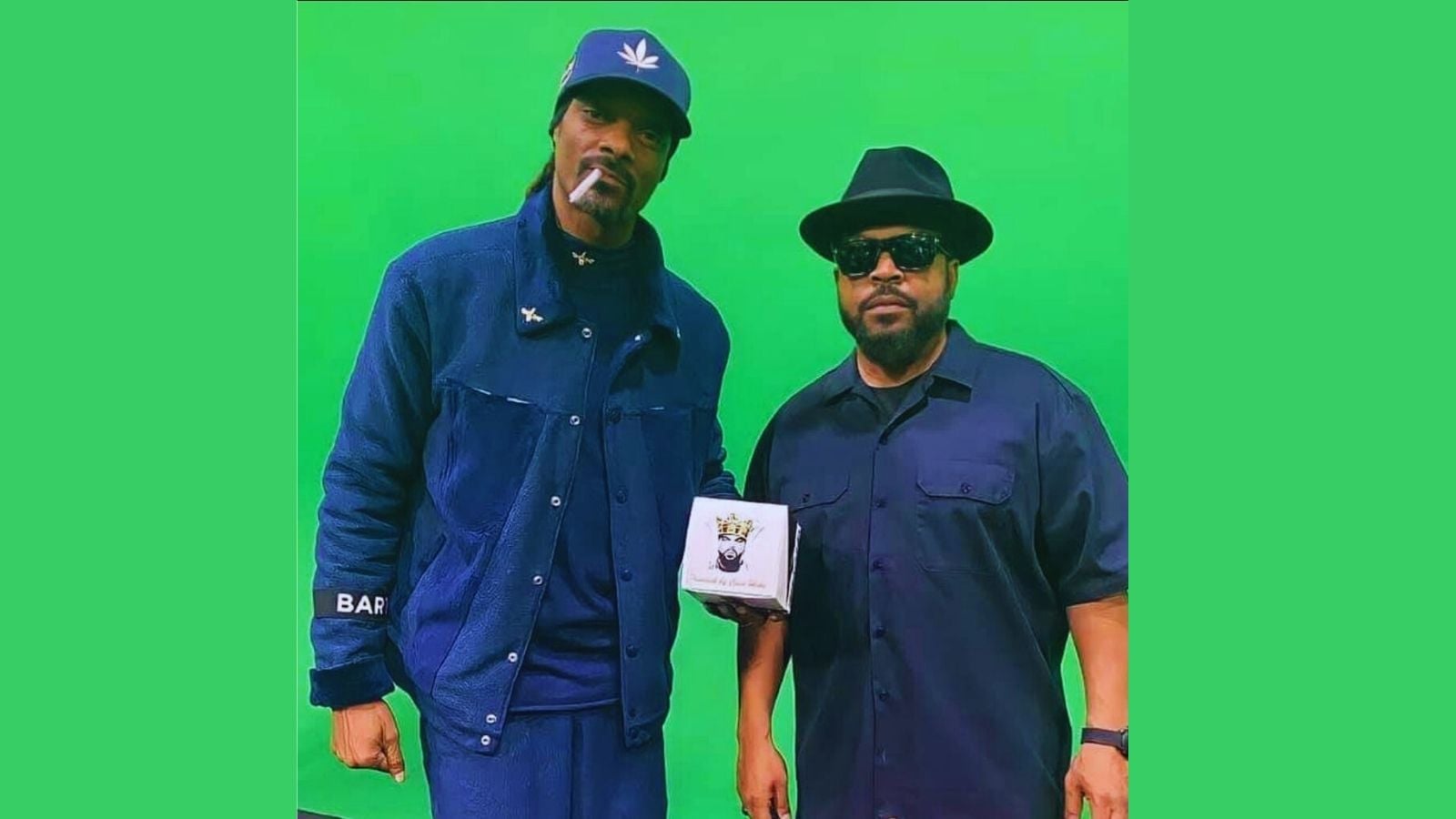
Mount Westmore, the hip hop supergroup featuring Snoop Dogg, Ice Cube, E-40, and Too Short, is currently locked in a messy two-way legal battle over a branding deal that reportedly left a $1.3 million advance in limbo. The drama centers on a 2022 agreement with Westside Merchandising that was supposed to fuel a massive 60-date international tour.
Instead of a global takeover, the group performed exactly three shows before the whole thing went quiet.
Now, a Los Angeles judge has ordered the rap legends to sit for in-person depositions, proving that even industry icons can’t easily duck a subpoena when a million-dollar deal goes south.
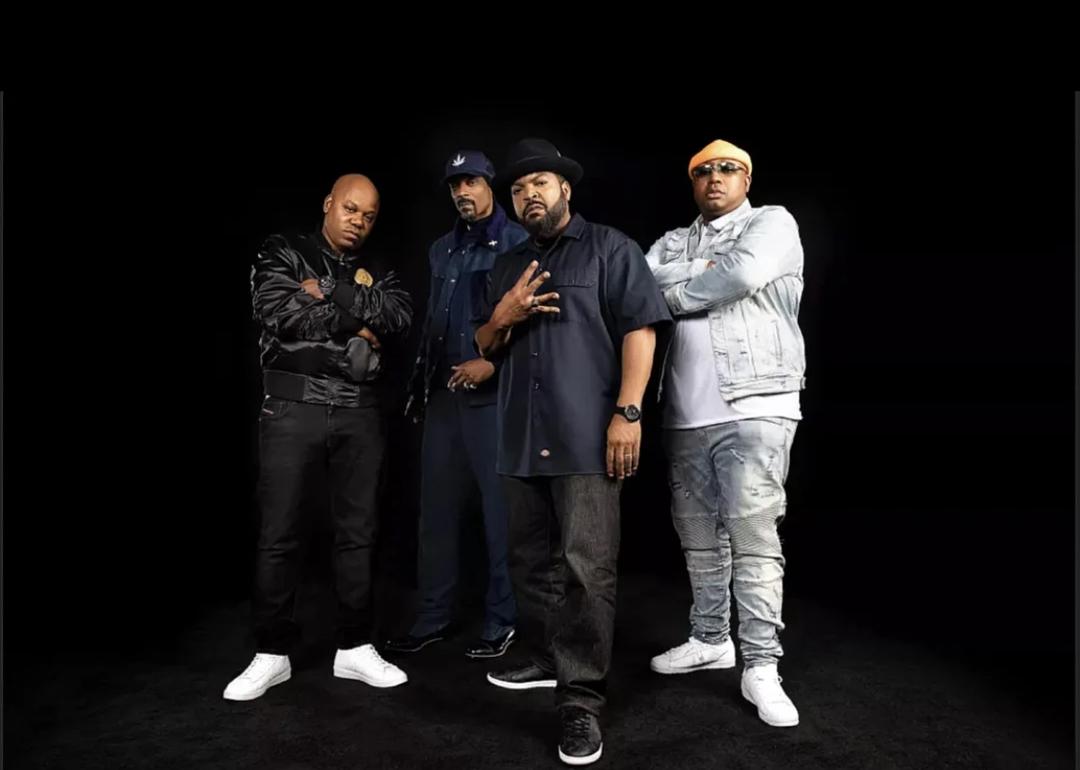
The friction dates back to 2022, when the newly formed collective signed an exclusive deal with Los Angeles-based Westside Merchandising. According to court filings, the partnership was built on an ambitious 60-date run across America and Europe intended to move a mountain of branded gear.
Westside claims it held up its end of the bargain by advancing more than $1.3 million to the artists to kickstart the campaign. However, the company alleges the group played only three concerts in 2022 and none in the years since.
Beyond the missing tour dates, the company claims the artists ghosted them on required promotional videos and retail appearances.
Superstars and the Deposition Deadline
The legal heat turned up significantly in October 2025 when a Los Angeles Superior Court judge shut down an attempt by Snoop Dogg and Ice Cube to avoid testifying. The rappers’ lawyer argued that the deposition demands were “harassing” and “burdensome,” essentially claiming they had nothing new to say beyond what was already in the paperwork.
The judge wasn’t buying it, calling their “lack of knowledge” argument inadequate and pointing out that both Snoop and Cube were actual signatories to the contract.
This means the icons cannot hide behind their busy schedules or massive brands to avoid being questioned under oath about why the tour evaporated. Westside is even chasing $11,000 in sanctions, accusing the defense of using delay tactics to stall the process.
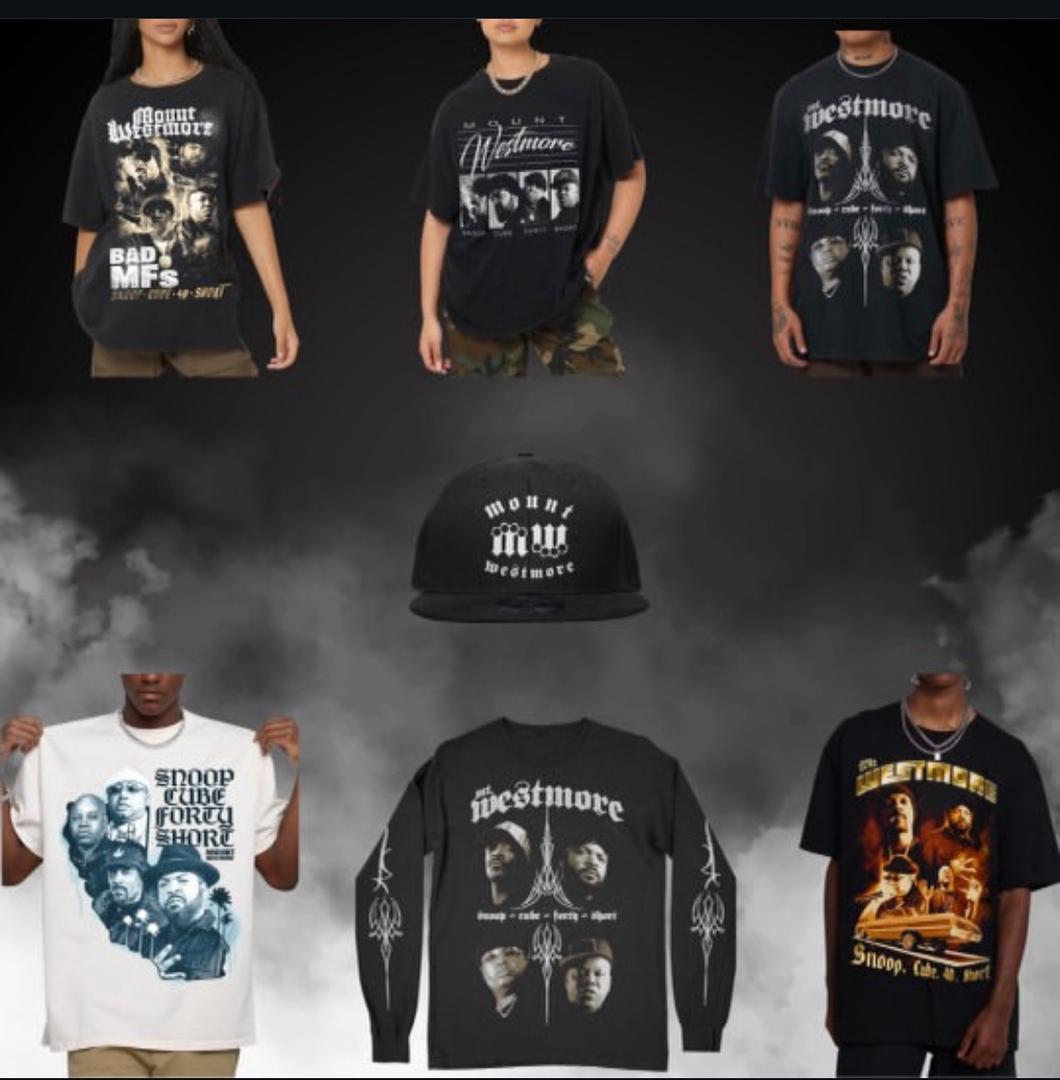
While the “anchor” stars of the group are being held to the fire, the other half of the collective is trying a different escape route. E-40 and Too Short have argued in their responses that they were never actually parties to the underlying agreement, even though their names are all over the litigation.
This creates a fascinating divide within Mount Westmore, as the members navigate their individual levels of liability for the unfulfilled 60-date tour. Westside attorney John Fowler has been blunt about the firm’s position, telling TMZ that the case is simple because the other side allegedly defrauded his client. Fowler dismissed the group’s recent legal maneuvers as a “distraction” that “reeks of desperation.”
The Accounting Audit and the Retail Trap
In February 2026, the rappers officially flipped the script by filing their own fraud lawsuit against Westside Merchandising, their former business partner. This countersuit alleges that Westside misrepresented its actual retail reach just to lure the group away from a much larger merchandise firm.
The artists claim that, while they did receive an advance, they are still owed “hundreds of thousands” in unpaid revenue from sales that actually occurred. Their filing includes internal accounting figures they say came from Westside, listing about $808,000 in concert merch sales, over $90,000 in retail store sales, and $13,000 in e-commerce sales.
Despite those numbers, the rappers allege they haven’t seen a proper accounting of their full share of the profits.
This move is a classic strategic pivot: the defense is now using Westside’s own financial reporting as a weapon. By highlighting the $808,000 earned during those few 2022 shows, the artists are trying to prove the brand was profitable and that the vendor is the one holding the bag.
Their legal team has publicly accused Westside of refusing to cooperate or engage in good-faith discussions while calling the original fraud claims “entirely baseless and without merit.” It has turned into a classic “he said, she said” scenario, with both parties claiming to be the victim of a bait-and-switch.
The rappers are now seeking unspecified damages, claiming the alleged retail misrepresentations caused them major financial harm.
Watching the Supergroup Legal Legacy
The outcome of this battle will likely hinge on whether the court views the failed tour as a deliberate breach or just a consequence of a flawed partnership. Many fans and industry insiders are watching closely to see if those missing 57 tour dates were the result of simple scheduling conflicts or something more legally problematic.
For now, both the original $1.3 million fraud suit and the new countersuit remain active in the Los Angeles court system with no final judgment in sight.
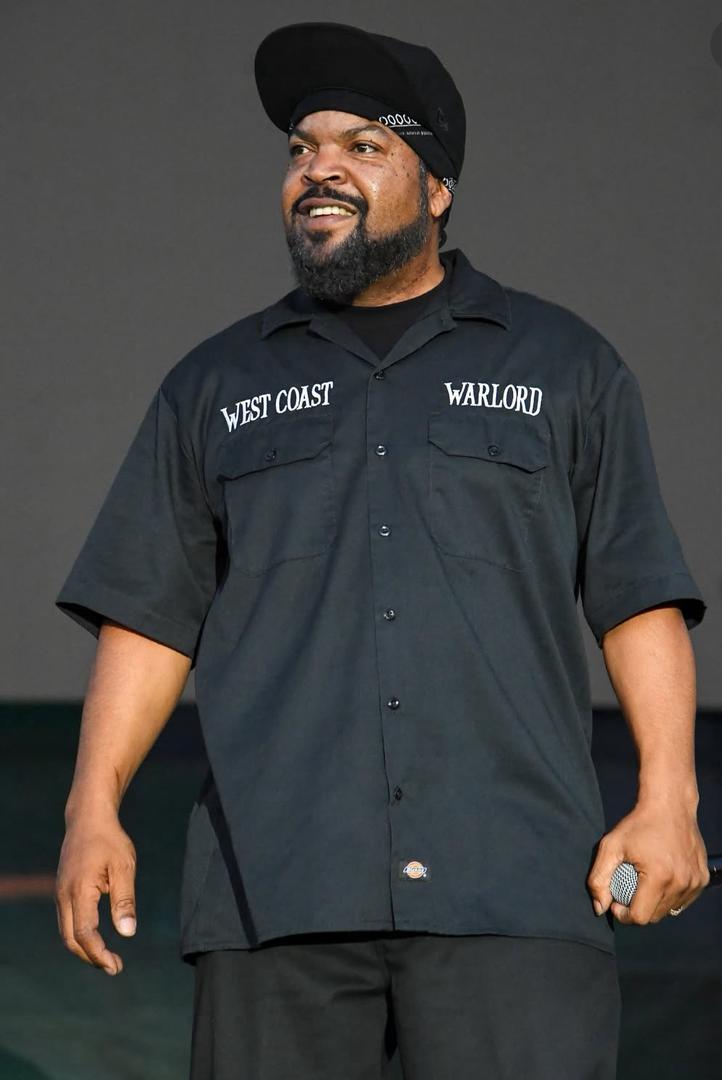
This saga is a giant flashing warning sign for the music industry. It highlights a growing tension between legacy artists looking to monetize their brands and the vendors chasing prestige clients. The message is clear: ambitious “360-style” deals only work if everyone has the bandwidth to actually show up.
As the rappers prepare for their in-person depositions, the focus shifts from the music to the fine print. Whether this ends in a settlement or a full trial, the paper trail left by Mount Westmore will be a cautionary tale for any artist thinking about signing on the dotted line for a “super tour” that might never happen.