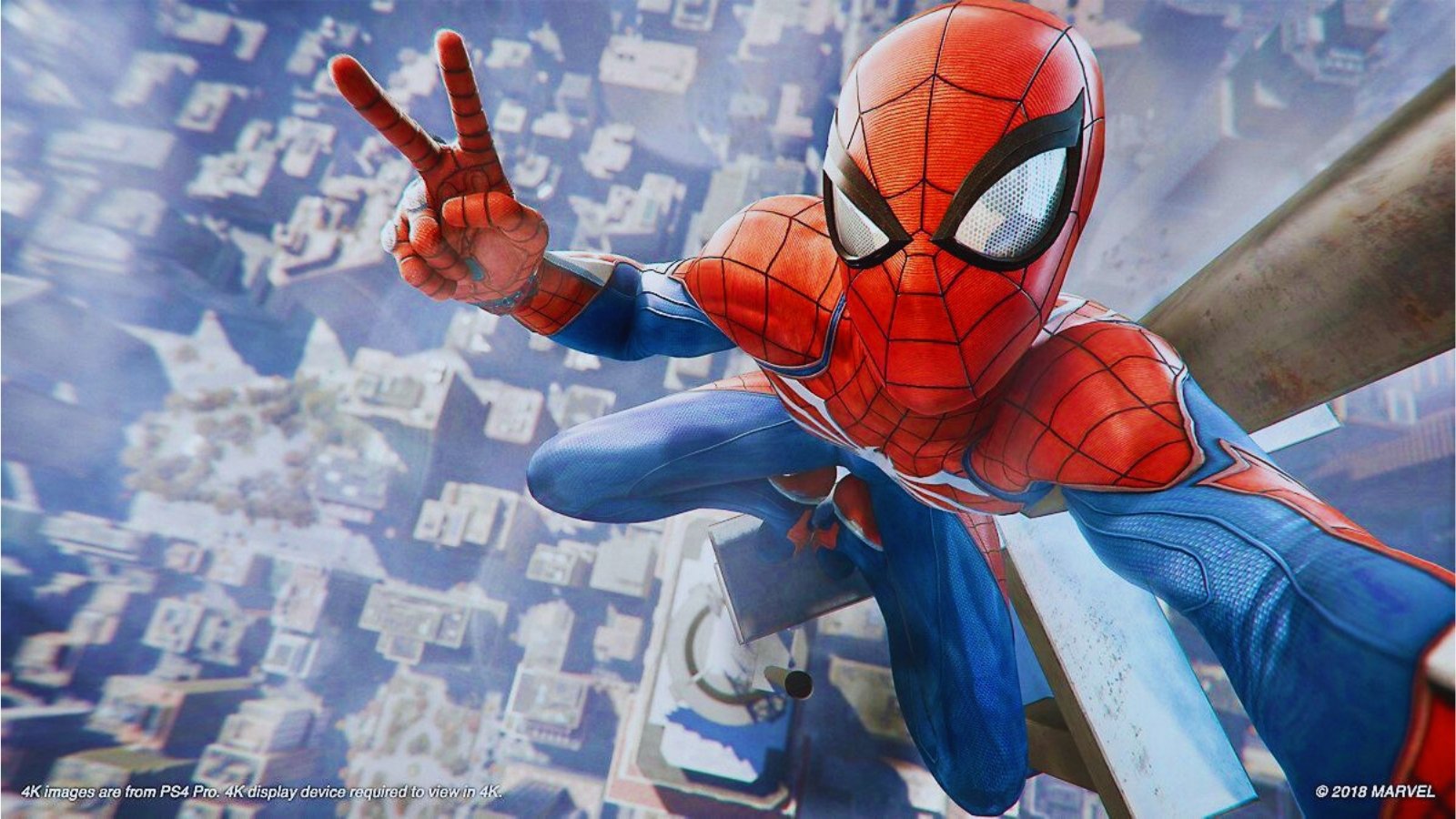
Sony Pictures Entertainment is officially pressing the reset button on its live-action Spider-Man spinoff universe. During a February 24, 2026, appearance on The Town podcast, studio CEO Tom Rothman confirmed that the franchise is heading toward a fresh start featuring a different ensemble. This high-stakes transition comes at a critical time for the studio following a string of high-profile flops like Kraven the Hunter and Madame Web.
While the studio has not released specific box-office figures or internal performance metrics, these recent entries are widely described across the industry as underwhelming failures. It is a massive move for a franchise that has been a staple of the blockbuster landscape for years.
The Sony Spider-Man Universe, or SSU, has been trying to find its footing since the original Venom arrived in 2018.

Seeing a major studio admit it is time for a total overhaul feels like a rare moment of corporate honesty. The decision reflects a broader industry realization that simply existing in a shared universe is no longer enough to guarantee a hit. Viewers are signaling a preference for stories that stand on their own creative merit.
The heart of this announcement lies in Rothman’s direct confirmation that the future of these characters involves a reboot with new people.
Starting Fresh with New People
When asked specifically whether the broader Spider-Verse was finished, Rothman’s answer was a clear, concise no. He also affirmed that the studio definitely plans on returning to these characters despite the recent string of theatrical disappointments. This news effectively signals the end of the road for the current iterations of characters we have seen over the last few years.
It implies a total clearing of the deck for the spinoff films, excluding the popular animated Spider-Verse series, which remains on its own separate track. For fans who have followed every twist of these films, it is a significant shift in direction. The move towards an updated cast suggests that the studio is looking to distance itself from previous creative choices.
Rothman’s comments on the podcast indicate an intentional hiatus designed to reset the brand. He noted that scarcity has value and that the studio needs to make the audience actually miss these characters before they return. It is a bold strategy in an era where most studios are terrified of leaving any gap in their release schedules.
By stepping back and choosing to start over, Sony is betting that a clean slate will be more valuable than trying to fix a continuity that has struggled to resonate with fans. This change allows the studio to seek out actors and filmmakers who bring a completely different energy to the table. The goal appears to be a shift toward a more curated selection of projects that can once again capture the public’s imagination.
Looking Back at a Rocky Timeline
To understand why this change is happening now, we have to look at how we arrived at this point in franchise history. Sony has held the theatrical Spider-Man rights since 1999, a deal that remains one of the most significant in Hollywood. While the partnership with Marvel Studios has kept the main Peter Parker films thriving in the MCU, the standalone SSU spinoffs have had a much more turbulent journey.
The year 2024 proved especially difficult for the studio as Kraven the Hunter and Madame Web failed to meet expectations. These results created a clear divide between the massive popularity of the core Spider-Man films and the dwindling interest in peripheral characters. While films like Morbius became the subject of endless internet memes, that digital attention never translated into box-office success.
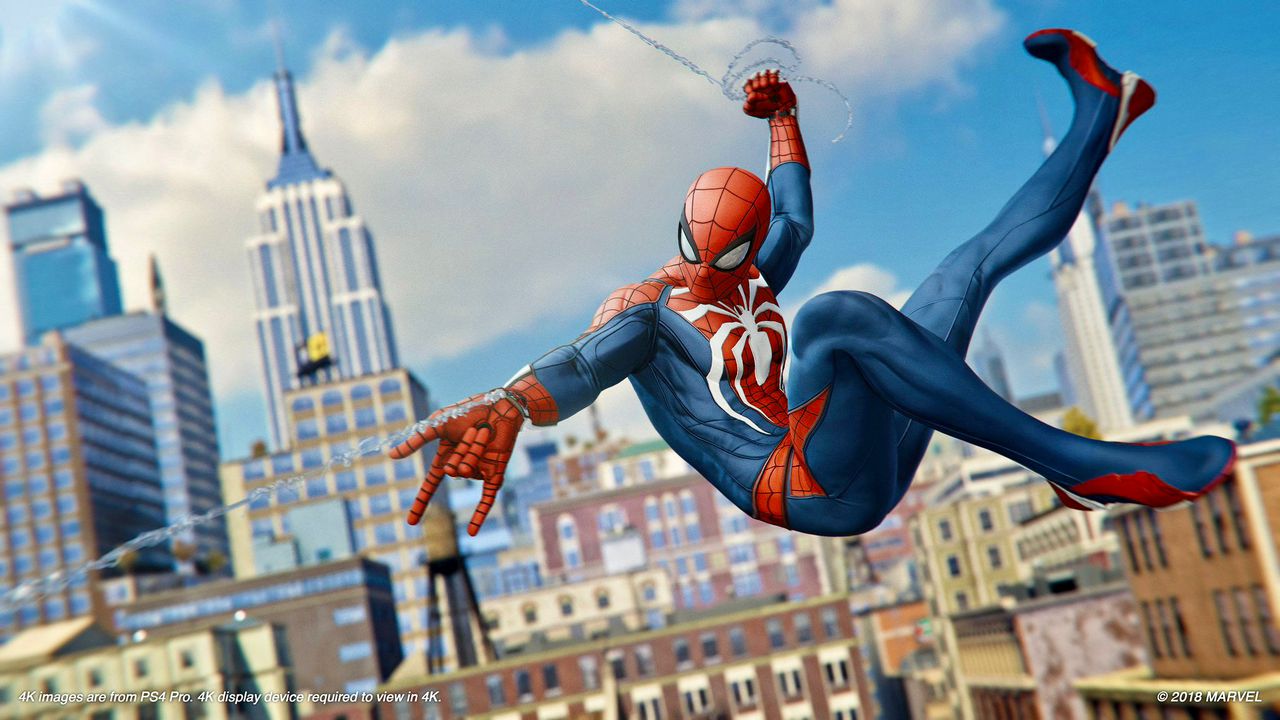
The timeline shows a studio that was once moving at full speed toward a web of connected films but has now been forced to recalibrate. This friction between ambitious expansion plans and actual reception has led to this current moment of reflection. The shift suggests that the previous model of building a universe solely through villain origin stories may be officially retired.
Instead, the focus seems to be shifting toward more unique and tonally distinct entries that can stand apart from the main MCU line. This recalibration is necessary to protect the longevity of the Spider-Man brand, which remains Sony’s most valuable intellectual property.
What Lies Ahead for the Web
Even with a reset on the horizon, the studio still has several high-profile projects in the works that will bridge the gap. A 1930s-set Spider-Noir television series is currently in production with Amazon MGM Studios, starring Nicolas Cage in the lead role. This project represents a different approach to the lore, leaning into a specific period aesthetic and a more mature tone.

It is scheduled to premiere on May 25, 2026, on MGM+ before a global release on Prime Video on May 27. Meanwhile, the next Tom Holland film, Spider-Man: Brand New Day, is slated for release on July 31, 2026. This Marvel and Sony co-production is confirmed to feature Jon Bernthal as the Punisher and Mark Ruffalo as the Hulk.
As we look toward the future, the big question remains: how will this overhaul connect back to the larger Marvel landscape? There are currently no confirmed details regarding the new cast members or the directors being considered for the future spinoff films. The studio is keeping its cards close to its chest while it navigates this transition period.
Culturally, we are moving into an era where quality and distinct vision are becoming more important than sheer volume of content. A studio like Sony choosing to pause and rethink its most valuable asset suggests a shift toward a more thoughtful way of making movies. This move signals that the era of the filler superhero movie might finally be coming to an end.
Studios are realizing that audiences can sense when a project exists purely for brand maintenance rather than artistic passion. By taking the time to rebuild from the ground up, Sony is positioning itself to deliver a new generation of stories. It is a transformation that will likely define the next decade of superhero cinema.