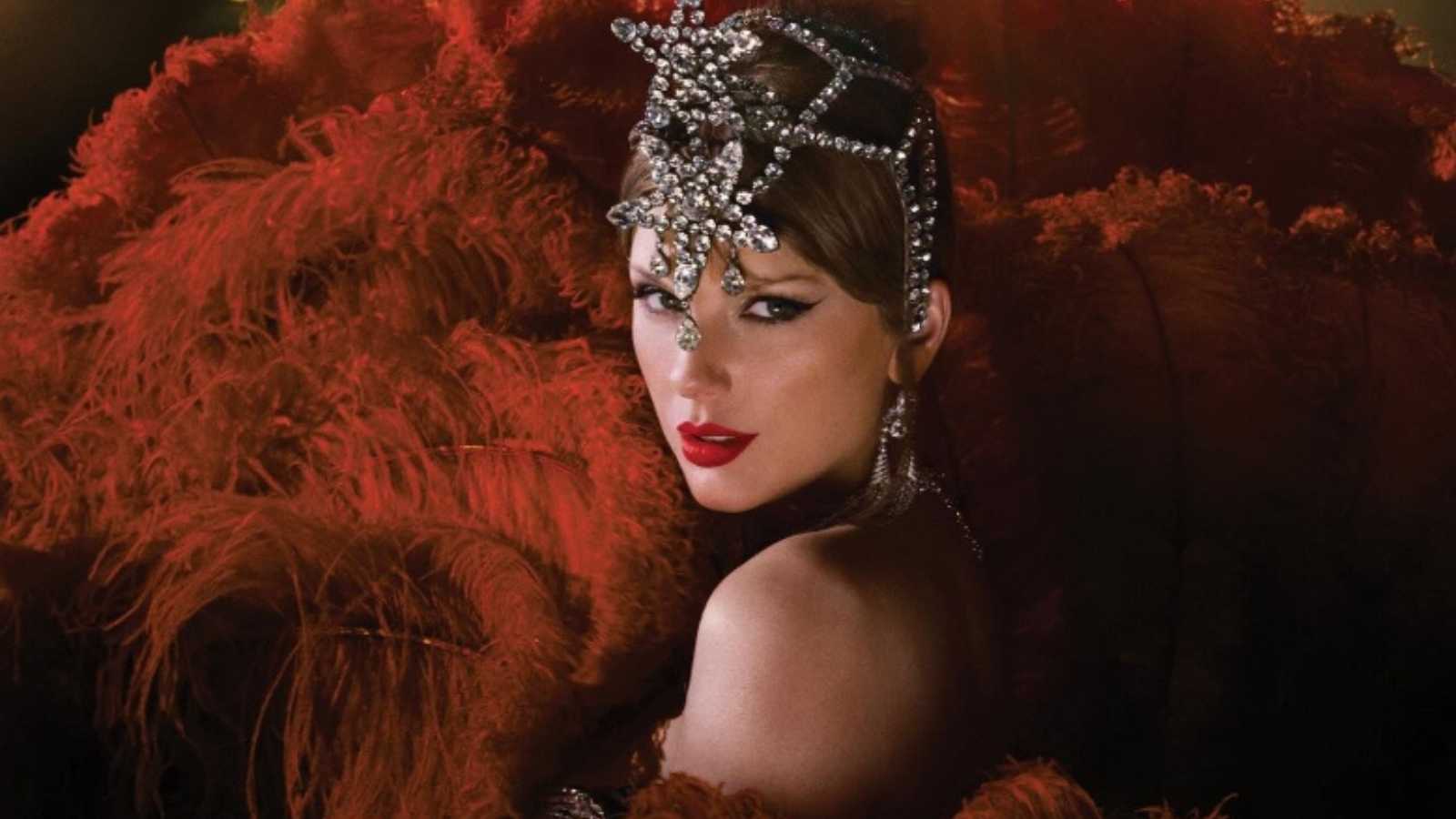
The Winter Olympics often struggle to pierce the noise of the digital age, but leave it to Taylor Swift to make figure skating feel like the only thing that matters.
On February 16, 2026, NBC dropped a cinematic bomb: a two-minute promo for Team USA’s women’s figure skating trio, Amber Glenn, Alysa Liu, and Isabeau Levito, narrated by the woman who currently owns the cultural zeitgeist. Set to the shimmering, ethereal beats of her new single “Opalite,” from her 2026 album The Life of a Showgirl, Swift introduced the world to the “Blade Angels.”
But if you think this is just another celebrity voiceover, you’re missing the “Mastermind” at work. This wasn’t just a promo; it was a manifesto for a new kind of American athlete.
Amber. Alysa. Isabeau.
Let @taylorswift13 introduce you to the Blade Angels: Three American showgirls on ice. #WinterOlympics pic.twitter.com/rj4K3v5T3F
— NBC Olympics & Paralympics (@NBCOlympics) February 16, 2026
The “Blade Angels”
The name “Blade Angels” wasn’t born in a marketing boardroom. It was actually pitched by Alysa Liu in a group chat with her teammates. It stuck because it perfectly captures the paradox of elite skating: the “Angelic” grace required to look effortless while balancing on a razor-thin “Blade” of steel.
Amber Glenn

At 26, Amber Glenn is the “elder sister” of American skating, a title she wears with a leather-jacket kind of cool. In a sport that often treats 20-year-olds like retirees, Glenn is currently in the best shape of her life, coming off three consecutive U.S. National titles.
For years, Glenn was the “almost” girl, technically brilliant but struggling with the “ice princess” mold. She is also the first openly queer (pansexual) woman to win a U.S. senior title.
Swift’s narration hit home here, noting that Amber’s “superpower is embracing the fight.” What most people don’t know? Glenn almost quit in 2022 after a brutal COVID-19 diagnosis. Her 2026 Olympic run is less about a medal and more about a middle finger to the idea of an “expiration date.”
Alysa Liu

If Amber is the grit, Alysa Liu is the rebel. At 12, she was the youngest U.S. champion in history. At 16, she walked away, retiring after the Beijing Games because the joy had been sucked dry by the pressure.
Most child stars who burn out stay out. But Liu spent two years at UCLA, lived a “normal” life, and realized she missed the cold. She returned in 2024 on her own terms, without the “quad-at-all-costs” pressure.
Swift’s line, “Joy fuels her now,” is literal. Liu has been seen backstage in Milan laughing and dancing, a sharp contrast to the stoic, silent skaters of the past.
Isabeau Levito
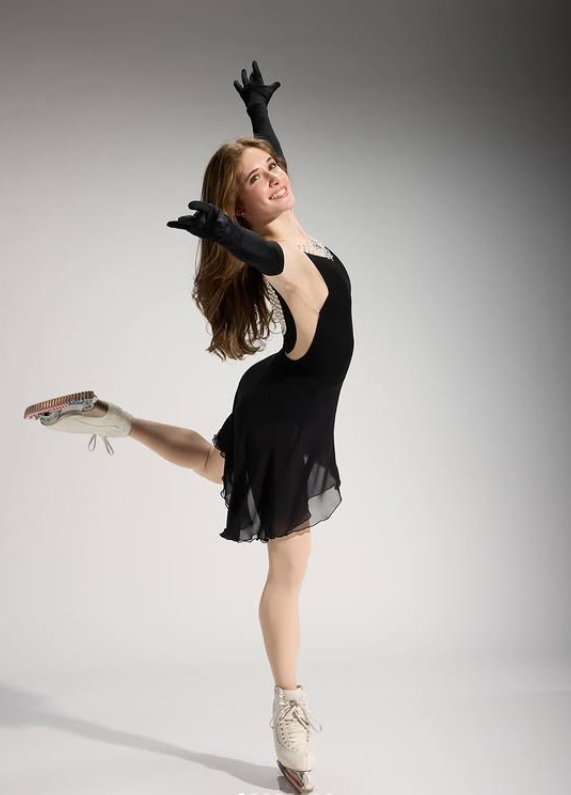
The 19-year-old Isabeau Levito is the “Destiny” of the group. While the other two bring power, Levito brings a balletic, Sophia Loren-esque elegance that feels tailor-made for an Italian Olympics.
Swift dropped a fact that sent fans into a frenzy: Levito’s nonna (grandmother) lives exactly 13 minutes away from the Olympic rink in Milan. For Swift, the number 13 is a sacred omen; for Levito, it’s a sign that the universe wants her on that podium in her mother’s hometown.
The Taylor Swift Factor
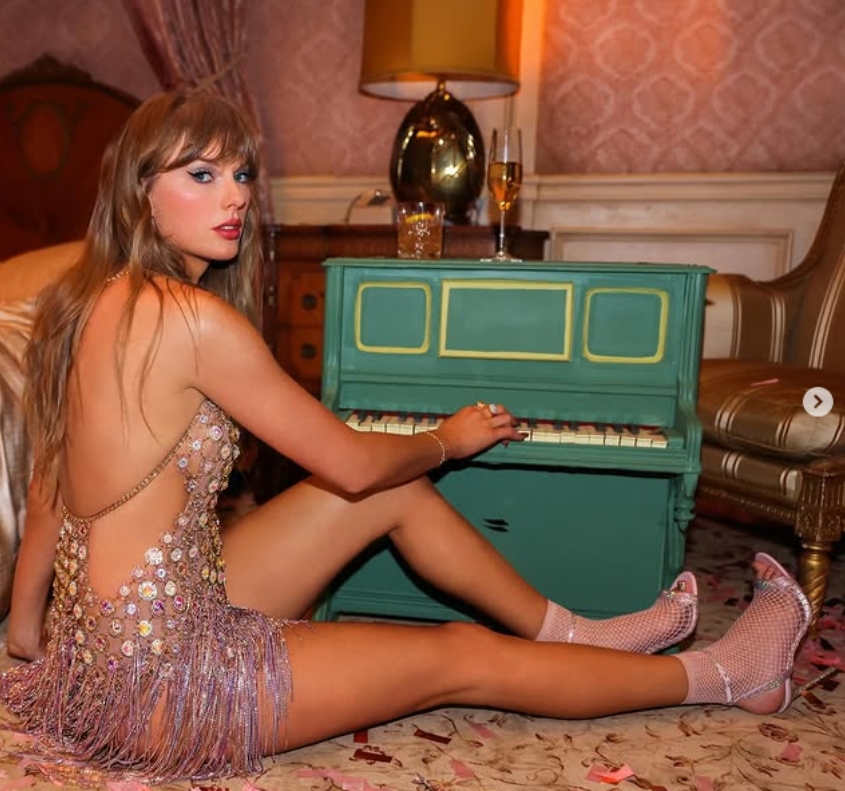
How did Taylor find herself here? It’s not just about NBC writing a big check. Swift’s current creative era, The Life of a Showgirl, is built on the theme of “the performance of womanhood.” By calling the skaters “American showgirls on ice,” Swift is linking her own experience of being scrutinized on stage to their experience of being judged on the ice.
She has become an icon not just through catchy hooks, but by positioning herself as the ultimate “Protector of the Underestimated.” When she lends her voice to the Blade Angels, she’s telling the world: These aren’t just athletes; they are artists who bleed for your entertainment.
Is “Showgirl” a Step Backward?
Now, let’s get into the “water cooler” talk. While Swifties are swooning, some skating purists may be raising an eyebrow.
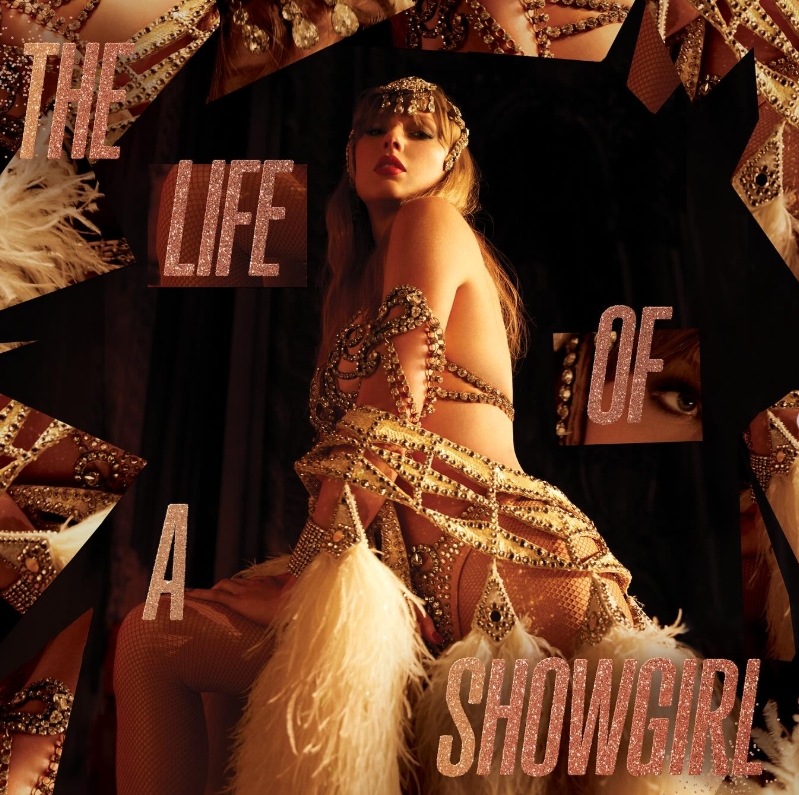
The sport has spent decades trying to be taken seriously as a “sport,” shedding the image of sequins, makeup, and “performative” fluff. Using the term “showgirl,” might be leaning back into the very stereotypes the athletes have worked to outrun.
But here’s the hot take: Maybe the “sport vs. art” debate is dead. In 2026, the Blade Angels aren’t trying to be “un-feminine” to prove they are tough. They are leaning into the theater.
Glenn’s tattoos, Liu’s “alternative” aesthetic, and Levito’s Italian drama suggest that being a “showgirl” is actually a position of power. It’s about owning the audience’s gaze rather than being a victim of it.
The Milano Cortina Games needed a spark, and the “Blade Angels” just got a lightning bolt. American women’s figure skating is no longer just a cold sport. It’s a high-stakes, high-glamour drama, and the “show” is only just beginning.