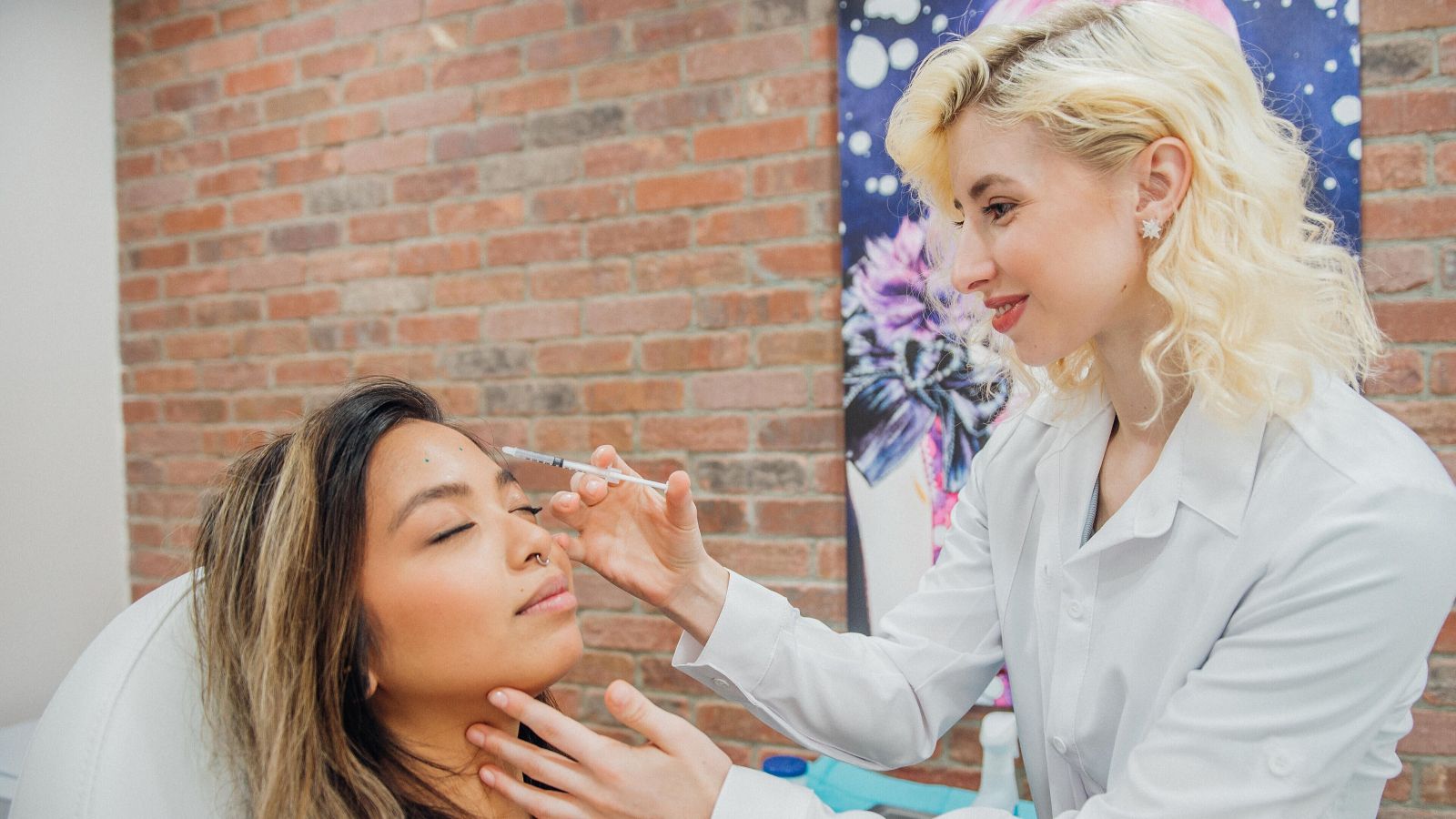
A teen getting Botox should be a record scratch. Instead, it’s becoming normal. This isn’t a medical story that wandered onto the internet. It’s an internet story that wandered into medicine.
This week, a 16-year-old in Alabama told the New York Post she’s already getting Botox “to prevent wrinkles,” with her mom’s support. The internet did what it always does. It argued about the teen. It dragged the mother. It turned a medical procedure into a comment-section sport.
But the more useful question is boring. It’s also the only one that matters.
Why are adults letting this be normal?
Because teens don’t normalize anything on their own. Adults do. Parents sign. Providers inject. Platforms promote. Brands profit. And the entire beauty economy keeps nudging the age line lower, then acts shocked when it works. This isn’t about judging the teen. It’s about adults building a market for insecurity.
This Isn’t Just One Teen. It’s a Trend With Receipts
In a national poll of parents with teens ages 13 to 17, 1 in 6 said teens should be allowed to get non-surgical cosmetic procedures for any reason, as long as they have parental approval. 1 in 14 said their teenage girl had already asked about procedures.
That’s not “a few bad TikToks.” That’s normalization happening in real time.
And the “Sephora kids” phenomenon makes the pipeline even clearer. Preteens are showing up in beauty stores chasing influencer routines and adult-marketed products. Research on TikTok skincare routines aimed at kids and teens has also raised concerns about irritation and allergy risk from multi-product regimens packed with active ingredients.
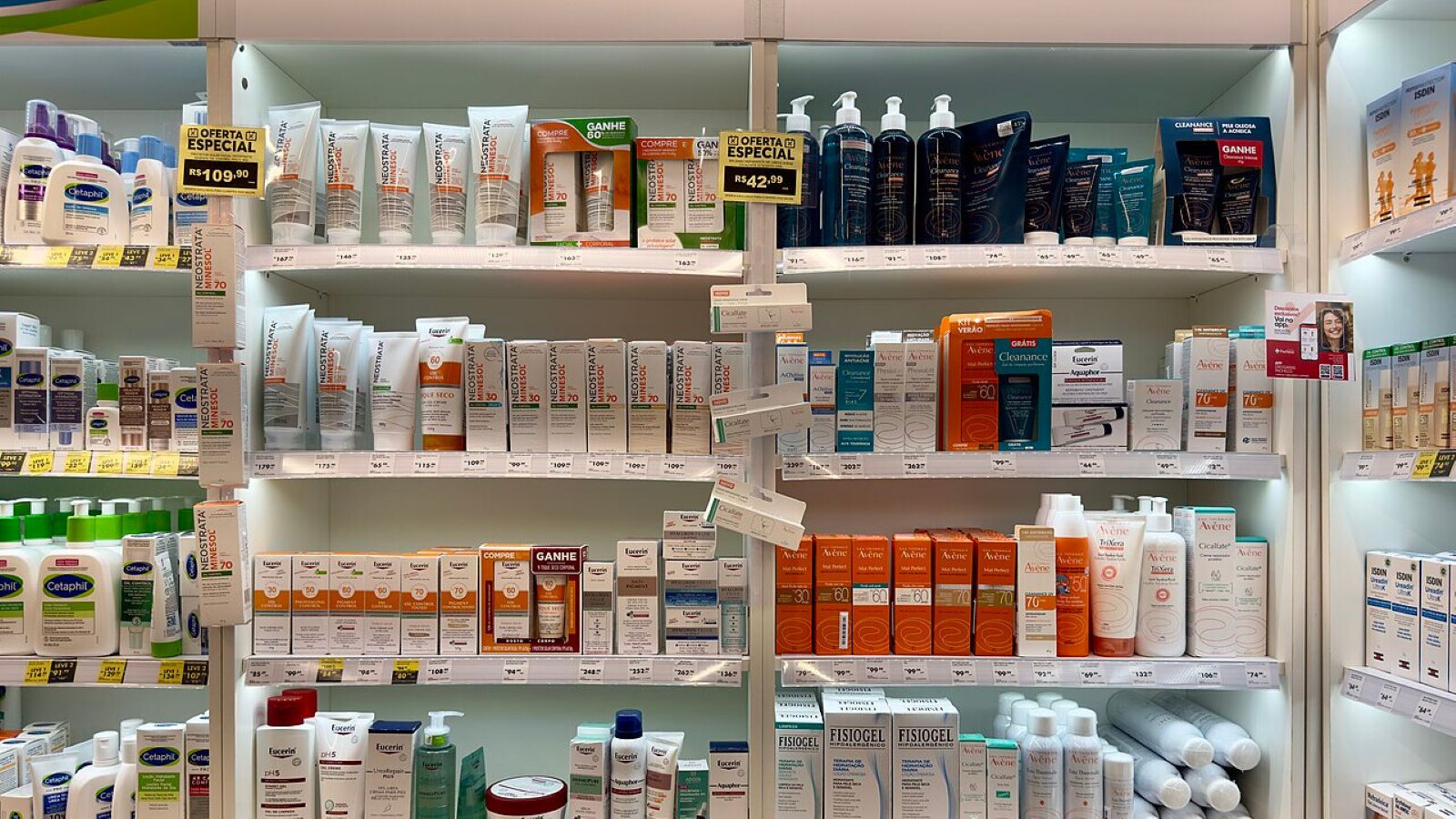
Even Sephora’s CEO has publicly said teens really only need three basics. Cleanser, moisturizer, and SPF.
That’s not an anti-beauty take. That’s an adult trying to put the age line back where it belongs.
When Botox shows up in the teen conversation, it’s not coming out of nowhere. It’s coming after years of kids being trained to “optimize” their faces. This is the same pipeline that turns GRWM culture into a weekly franchise and faces into content.
The “Preventative Botox” Claim Is the Trap
Much of this trend hinges on one seductive idea: start early, stay wrinkle-free forever.
The problem is that the evidence isn’t as confident as the marketing. Cleveland Clinic notes there’s no hard evidence that Botox injections prevent wrinkles, beyond temporarily reducing the appearance of lines as they develop. Botox is temporary. Stop injections, and the effect fades.
So if a teen is doing this “for prevention,” they’re not buying a one-time prevention tool. They’re buying a maintenance habit. Every few months. For years. Possibly decades.
That’s not skincare. That’s a subscription.
The Age Line Matters. The FDA Is Not Vague About It.
The FDA medication guide states BOTOX Cosmetic is not recommended for use in children younger than 18.
Yes, botulinum toxin has legitimate medical uses in younger patients for specific conditions, but when people blur the line between medical and cosmetic use, they’re laundering legitimacy. Medical necessity gets used to make cosmetic normalization feel inevitable.
It’s not inevitable. It’s a choice.
So Who Is Making It “Normal”?
Adults are. In four ways.
Parents who confuse “supporting my child” with “never letting my child feel insecure.” If your teen is panicking about wrinkles they don’t have, that’s not a cosmetic problem. That’s an anxiety problem wearing a beauty mask.
The aesthetics industry treating age like a sales funnel. The more you normalize injectables as “self-care,” the more you expand the market. Younger clients are lifetime customers, not one-time appointments.
Platforms that reward transformation content. TikTok doesn’t need to tell anyone to get Botox. It just needs to feed them 50 videos where Botox is treated like lip gloss. Once the algorithm makes something feel common, people stop asking if it’s necessary.
The broader beauty economy that keeps pushing “anti-aging” down the age ladder. You can’t spend a decade selling fear of aging, then pretend you’re surprised when kids absorb it early.
There’s Also a Safety Problem Adults Keep Ignoring
When something becomes trendy, the scam version follows.
Last fall, the FDA issued 18 warning letters to websites illegally marketing unapproved and misbranded botulinum toxin products commonly called Botox, and it urged consumers to get injections only from licensed, trained medical professionals.
If adults normalize teen demand, they also increase the odds that someone will try to meet that demand cheaply. That’s how you get bad outcomes, and not just bad selfies. This is the part of the conversation that never goes viral, because it’s not aesthetic.
What a Better “Normal” Looks Like
Stop acting like aging is a crisis that needs an early start date.
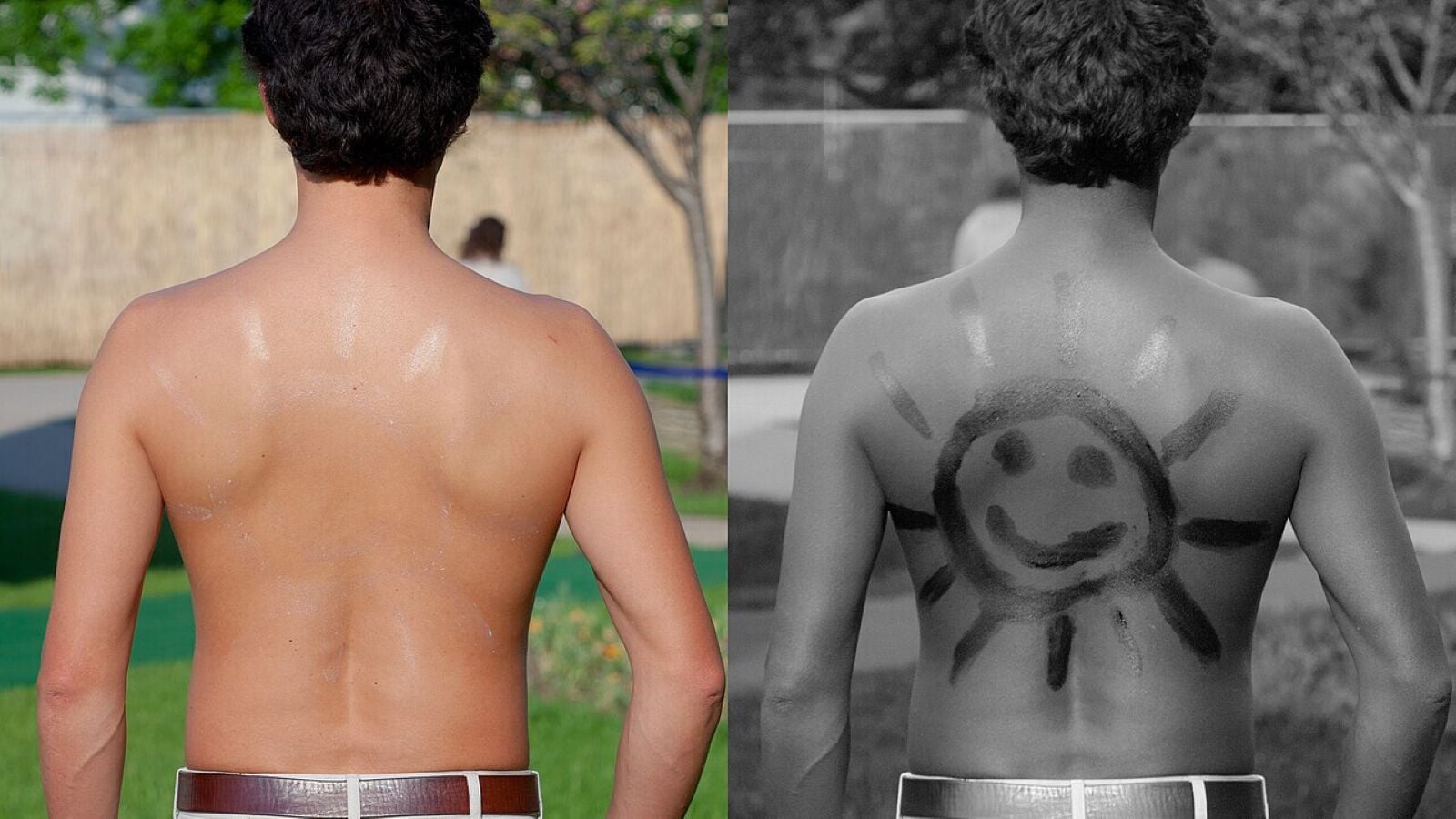
If a teen wants to “prevent wrinkles,” the adult answer is not a needle. It’s sunscreen. It’s sleep. It’s mental health support. It’s teaching media literacy. It’s turning down the temperature on face-optimization culture.
And yes, it’s also saying no, even if the teen is mad for a week. That’s still love. It’s just love with a backbone. Period.
Because the real job of adults isn’t to make insecurity go away instantly. It’s to refuse to turn insecurity into a lifelong purchase.