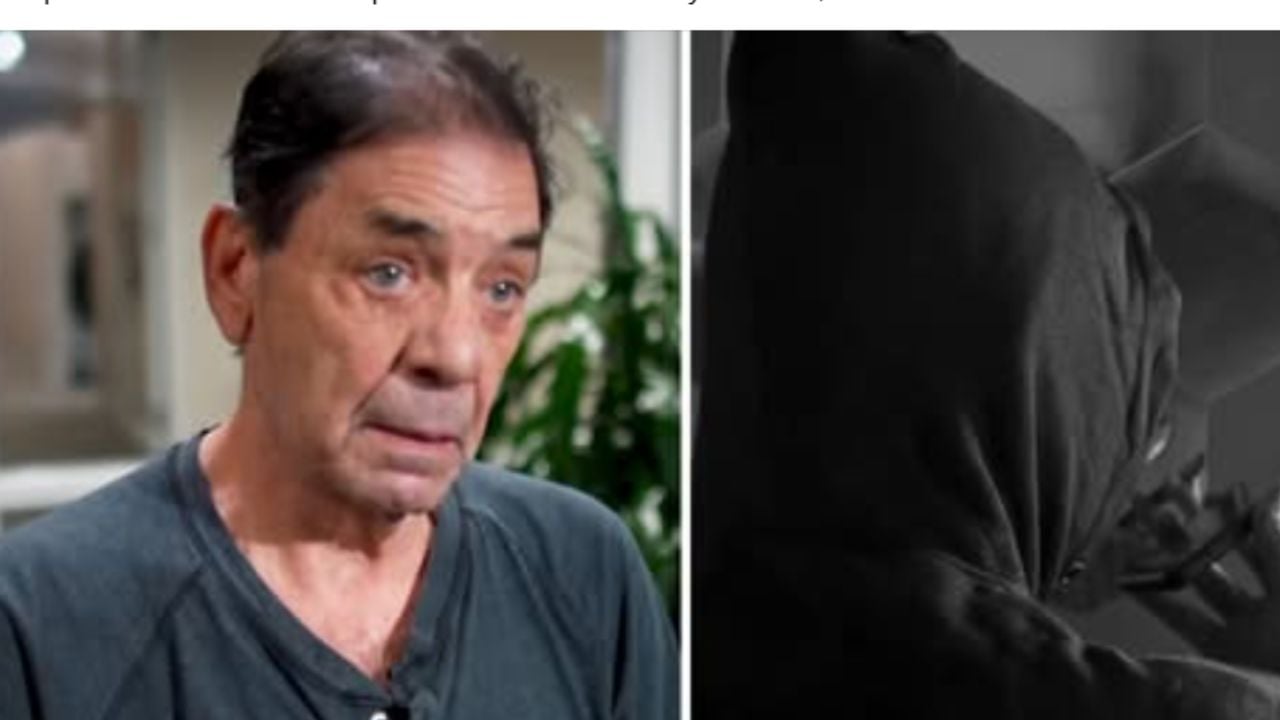
Randall Kahn says the call sounded like a real bank emergency. The person on the phone claimed to be from Wells Fargo, gave him an employee identification number, supplied an incident report number, and told him irregular activity had been found on his accounts.
Seven days later, Kahn had withdrawn $251,300 in cash from nine bank branches, according to a police report reviewed by NBC6 Responds.
The South Florida man told the station the caller said the money needed to be moved to a secure account.
Instead, Kahn said he was instructed to withdraw cash and turn it over to a rideshare driver who would supposedly make sure the funds were safely deposited back into his accounts.
The Scam Started With A Fraud Alert That Sounded Real
Kahn told NBC6 the call came in early January from someone claiming to represent Wells Fargo. The caller said immediate action was needed to protect his money.
Kahn said the person sounded legitimate because he provided what appeared to be official credentials, including an employee ID number and an incident report number.
“I was in panic, sheer panic,” Kahn told the station.
The caller made the account problem sound active, documented, and urgent. Kahn said he believed he was following bank instructions meant to keep the money safe.
Nine Branch Visits Turned Into A Six-Figure Loss
Kahn said the caller did not tell him to get cashier’s checks or money orders. He said he was told to make cash withdrawals. Over seven days, he visited nine bank branches and withdrew more than $250,000. NBC6 reported that the police report listed the total at $251,300.
The money was then picked up by a rideshare driver, Kahn told the station. He said he believed the driver would help get the cash safely deposited back into his accounts. After the last pickup, Kahn said he called back and the line went dead.
The Bank Denied The Reimbursement Claims
Kahn later filed reimbursement claims with Wells Fargo. NBC6 reported that the bank denied the claims, citing Kahn’s authorization and participation in the transactions.
In a statement to the station, Wells Fargo said proper policies and procedures were followed. The bank also said the account involved was a business account, where larger withdrawal amounts are common, and that it must make funds available when customers are properly authenticated during in-person transactions.
A Bank Fraud Call Should Be Checked Through The Bank
The Federal Trade Commission says banks, government agencies, and law enforcement offices do not tell people to move, withdraw, or transfer money to protect it.
Anyone who gets a call about suspicious bank activity can hang up and contact the bank through the number on the back of the card, the bank’s official app, or the bank’s verified website. The caller’s phone number, employee ID, incident number, or urgent tone should not be used as proof that the call is real.
If a caller already has someone moving cash, the bank and police should be contacted before the next pickup happens. A victim can save the caller’s phone number, pickup time, driver information, license plate, vehicle description, messages, branch receipts, and withdrawal slips while investigators still have a chance to follow the handoff.
No Bank Protects Money Through A Rideshare Pickup
A real bank fraud department can freeze cards, open a fraud claim, close compromised accounts, reset online access, or tell a customer to visit a branch for verified help. It will not tell a customer to withdraw hundreds of thousands of dollars and hand the money to a rideshare driver.
People who already withdrew cash, handed money to a courier, shared account details, or followed instructions from a bank caller should contact the bank’s fraud department immediately, file a police report, and report the scam to the FTC at ReportFraud.ftc.gov.
Kahn told NBC6 the money represented everything he had worked for over the past 25 years. The caller sounded like a bank representative trying to stop fraud, but the transaction that emptied the money began with one instruction no real bank would give: take it out in cash.