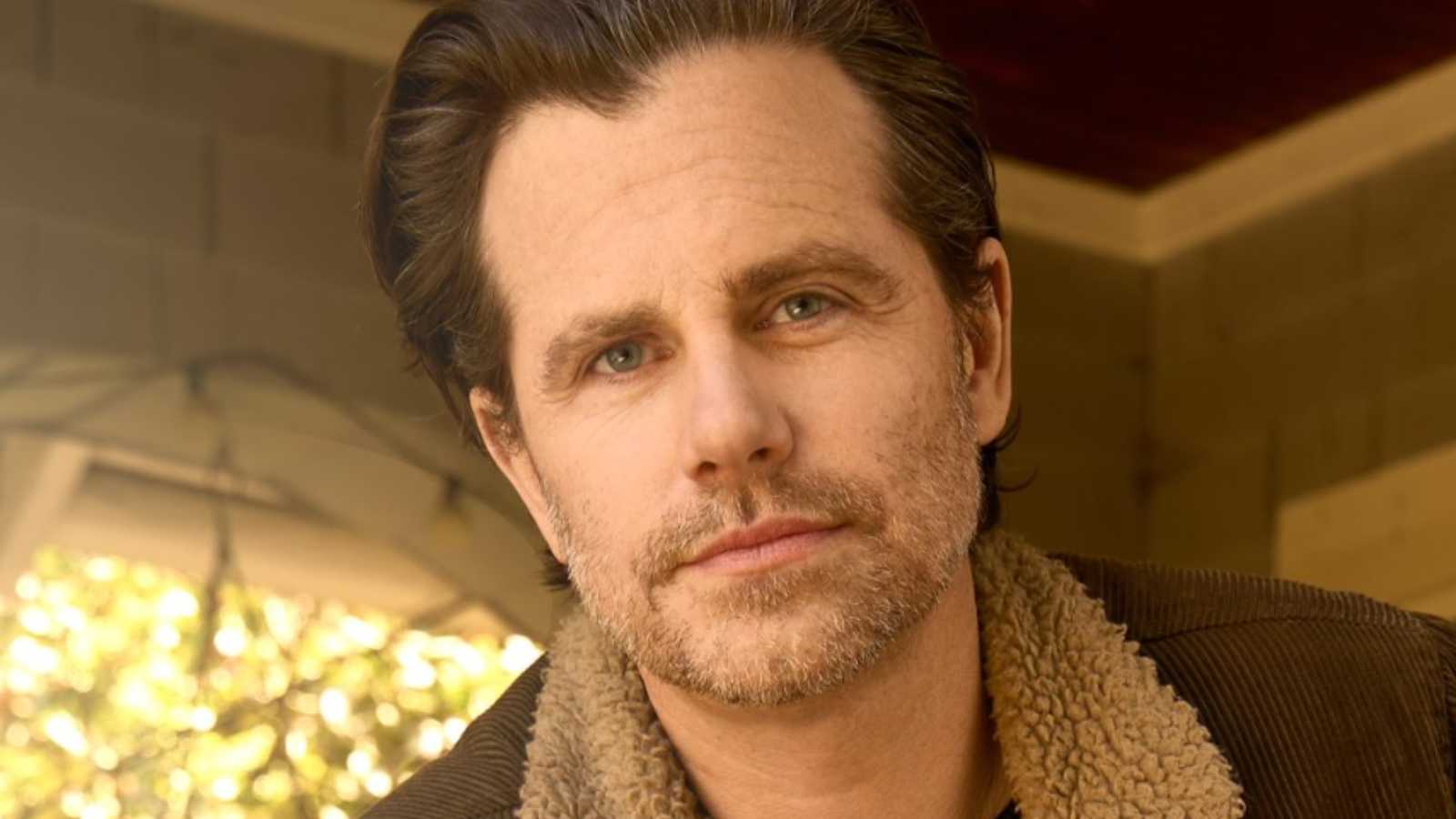
There’s something almost poetic about the fact that Rider Strong, forever etched in pop culture as the brooding, searching Shawn Hunter from Boy Meets World, is now asking a question that feels pulled straight out of a coming-of-age script: What happens when we stop being embarrassed by who we are becoming?
It’s not a loud question. It doesn’t trend easily. But it lingers. And lately, it’s been echoing louder than expected. During a recent appearance at the iHeart Podcast Awards, Strong made a comment that felt almost rebellious in its simplicity: he thinks society could use “a little bit of shame” again, particularly when it comes to the idea of “selling out.”
Not overwhelming, paralyzing shame. Not the kind that crushes identity or silences vulnerability. Just… enough to make us pause. Enough to make us care.
When “Selling Out” Stopped Being an Insult

To understand what Strong is getting at, you have to rewind, not just to the ‘90s, but to a cultural mindset that now feels almost antique. Back then, authenticity wasn’t just admired, it was guarded like a secret. Musicians refused certain endorsements. Actors avoided over-commercialization.
Even teens watching shows like Boy Meets World were being quietly taught that integrity mattered more than popularity. Strong remembers that era clearly. The idea of “selling out,” he says, used to carry weight. Now? “Everyone sells out.” And he’s not entirely wrong.
Today’s cultural landscape runs on visibility. Personal brands are monetized identities. Influencers aren’t just people, they’re ecosystems. The line between self-expression and self-advertisement has blurred so completely that it’s often impossible to tell where one ends and the other begins. And in that kind of world, shame doesn’t just fade…it becomes inconvenient.
The Subtle Death of Shame

Here’s the raw truth: shame once served as a social regulator. Not always a kind one, but an effective one. It was the internal voice that whispered, “Maybe don’t post that,” or “Maybe this isn’t who you want to be seen as.” It helped shape behavior long before algorithms did.
But something shifted. Social media didn’t just amplify voices; it diluted consequences. When everything is content, nothing feels off-limits. Oversharing becomes relatability. Controversy becomes currency. And apologies? Optional. Almost for content on its own, even.
Strong’s concern isn’t just about celebrities hawking products; it’s about a deeper cultural numbness. A place where self-awareness has been replaced by performance. And where the absence of shame doesn’t feel like freedom, it feels like indifference.
But Here’s the Twist- Was Shame Ever the Hero?
Now, here’s where things get interesting, and a little… delicate. Because for all its supposed benefits, shame has a complicated history. It has silenced people. Controlled people. Especially those who didn’t fit into neat societal boxes.
Entire generations were taught to feel ashamed of things that should never have been questioned: identity, emotion, vulnerability. So, when Strong calls for its return, the immediate reaction from some corners is predictable: Are we really trying to bring that back? And maybe that’s the wrong question.
Maybe the better one is: What kind of shame are we talking about? Because there’s a difference between shame that polices who you are… and shame that challenges what you’re becoming.
The Case for “Just Enough”

Strong himself seems aware of this balance. He doesn’t romanticize the past. In fact, he admits the ‘90s could be “too extreme” in its rejection of commercialization. But his argument isn’t about returning to rigidity, it’s about correcting overcorrection.
We’ve swung so far toward radical self-acceptance and monetized identity that we’ve lost something quieter, but essential: discernment. The ability to ask, “Is this aligned with my values?” before asking, “Will this perform well?”
And maybe that’s where a gentler form of shame, call it self-respect, call it internal accountability… call it self-control, still has a place.
A Generation Raised on Lessons We Forgot
There’s a certain irony in all of this. The same generation that grew up watching Boy Meets World, a show that centered empathy, moral conflict, and personal growth, is now navigating a world that often rewards the opposite.
Back then, Shawn Hunter wasn’t compelling because he was perfect. He was compelling because he struggled. Because he cared. Because he felt things deeply, and sometimes painfully.
That emotional honesty was the point. Now, we live in a culture that often edits out the struggle and packages the result. And maybe that’s what Strong is really mourning. Not the loss of shame itself, but the loss of emotional stakes.
What if We Don’t Need More Shame… Just More Memory?
Here’s where the conversation flips. What if the issue isn’t that we’ve lost shame… but that we’ve lost context? We live in a time where everything is immediate. Mistakes disappear into the scroll. Reinvention is constant. Identity is fluid, not just in a liberating sense, but in a forgettable one.
Shame, in its healthiest form, requires memory. It requires sitting with a decision long enough to feel its weight. To learn from it. To grow. To maybe remember the child of whom you are. But if nothing sticks, nothing shapes us. So maybe Strong’s call isn’t really about shame at all. Maybe it’s about consequence.
And at the heart of all this is a question that doesn’t trend, doesn’t go viral, doesn’t fit neatly into a caption: What do we owe ourselves when no one else is watching? Not followers. Not brands. Not audiences. Just us, face to face with a mirror, no one else is holding to our face, but us… ourselves.
Because in a world where “everyone sells out,” as Strong puts it, the real risk isn’t losing credibility. It’s losing clarity. It is, in fact, losing a sense of self.
A Final Thought That’s a Little Heavy
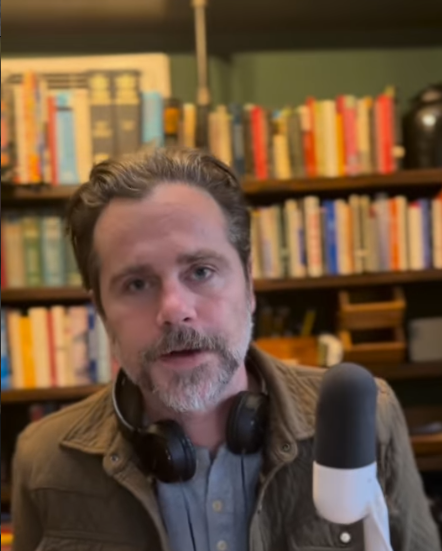
There’s a line buried in Strong’s reflection that feels easy to overlook but hard to shake: we’ve become “a commercial for everything.” Everything. Not just products, but identities, opinions, even values.
And maybe that’s why his words hit a nerve. Because deep down, most people can feel it too… that quiet, uncomfortable sense that somewhere along the way, we stopped asking whether something was true… and started asking whether it was useful.
So no, maybe we don’t need to bring shame back in its old, heavy-handed form. But maybe we do need something in its place. Something that slows us down. Something that asks harder questions… that makes us pause to think.
Something that reminds us, gently, but firmly, that not everything we can do is something we should do. And that caring, even a little, might be the most rebellious thing left.