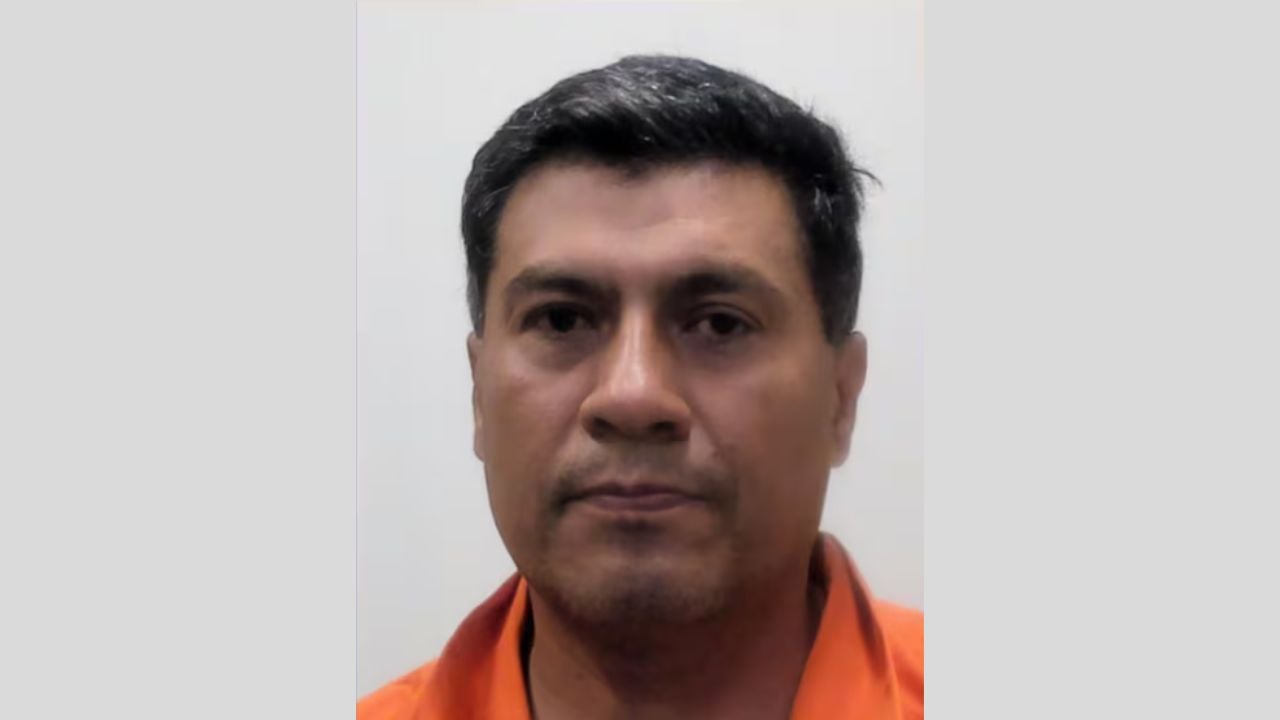
An Alabama restaurant owner has pleaded guilty after admitting that he fraudulently obtained approximately $866,500 from federal COVID relief programs and used part of the money for purposes the programs did not allow.
Cesar Campos-Reyes, 52, of Auburn, admitted fraudulently applying for and receiving money through the Paycheck Protection Program and Economic Injury Disaster Loan program in May 2020. The programs were created to provide financial assistance to eligible small businesses affected by the pandemic.
The U.S. Attorney’s Office for the Middle District of Alabama said Campos-Reyes used $262,145.20 of the relief money the following month to purchase real estate in Opelika instead of using the funds for their intended purposes.
Campos-Reyes pleaded guilty on September 9 to wire fraud, money laundering and unlawful employment of aliens. WSFA reported that the plea came more than a year after federal agents searched restaurants and other properties associated with him across Alabama.
Several Restaurants Were Tied to the COVID Relief Applications
The original federal case involved relief applications connected to restaurants owned or operated by Campos-Reyes. Court documents previously identified PPP loans associated with Mariachi’s Mexican Grill and El Patron locations in Pace, Pensacola and Prattville.
FOX10, citing the earlier court records, reported PPP amounts of $70,600 for Mariachi’s Mexican Grill, $54,700 for an El Patron location in Pace, $74,700 for one in Prattville and $26,900 for the Pensacola location.
Those records also said four SBA loan transfers of $149,900 each were moved into Campos-Reyes’ personal bank account in May and June 2020. His September guilty plea establishes that he fraudulently obtained approximately $866,500 through PPP and EIDL and did not use the relief funds for their intended purposes.
More Than $262,000 Was Used to Buy Opelika Property
Campos-Reyes admitted using $262,145.20 of the relief money in June 2020 to purchase real property in Opelika, according to federal prosecutors.
That transaction formed part of the conduct underlying his money laundering plea. PPP and EIDL funds were intended to support eligible businesses dealing with the economic effects of the pandemic rather than serve as unrestricted money for unrelated purchases.
The U.S. Small Business Administration says PPP funds could be used for approved expenses such as payroll, benefits, mortgage interest, rent, utilities and certain other operating costs. COVID EIDL was similarly designed to help businesses recover from pandemic-related economic injury.
Federal Agents Searched 14 Alabama Locations
The investigation became public in July 2025 when federal, state and local authorities executed search warrants at 14 locations across Autauga, Baldwin, Crenshaw, Elmore, Lee and Macon counties. Eight of the locations were restaurants.
Campos-Reyes had initially been indicted on four counts of bank fraud, four counts of wire fraud and one count of money laundering. He surrendered to federal authorities after the July 15 operation and initially pleaded not guilty.
The case continued until his September 2026 plea to an Information charging wire fraud, money laundering and unlawful employment of aliens.
He Also Admitted Knowingly Employing Unauthorized Workers
Campos-Reyes also admitted that, through July 15, 2025, he knowingly hired and employed people at multiple restaurants he owned or operated despite knowing they were not authorized to work in the United States.
The investigation was led by the FBI, Homeland Security Investigations, the DEA and the Alabama Law Enforcement Agency, with assistance from other federal, state and local agencies.
Campos-Reyes’ guilty plea covers wire fraud, money laundering and unlawful employment of aliens. A sentencing hearing has not yet been scheduled.
Campos-Reyes Could Face Years in Federal Prison
The wire fraud count carries a maximum sentence of 20 years in federal prison, while money laundering carries up to 10 years. The unlawful employment count carries a maximum of six months.
Federal prosecutors said Campos-Reyes also faces substantial fines and forfeiture of proceeds seized during the investigation. A federal judge will determine his sentence after considering the U.S. Sentencing Guidelines and other statutory factors.
There is no parole in the federal prison system.
What Businesses Should Keep When Using Federal Relief Funds
The Small Business Administration says PPP borrowers should be prepared to provide documentation supporting how loan proceeds were used when required during forgiveness, review or audit. Depending on the loan, those records can include payroll information, bank statements and documents supporting eligible business expenses.
Businesses with outstanding COVID-era SBA loans should keep program records separate from ordinary personal spending and retain documentation showing where federal funds went. Bank records, payroll reports, invoices, lease or mortgage documents and receipts can help establish whether the money was used for an eligible purpose.
Suspected fraud, waste or misuse involving SBA programs can be reported through the SBA Office of Inspector General. The agency asks reporters to identify the affected program, the person or business involved, the nature and timeframe of the suspected misconduct and any available supporting documentation.