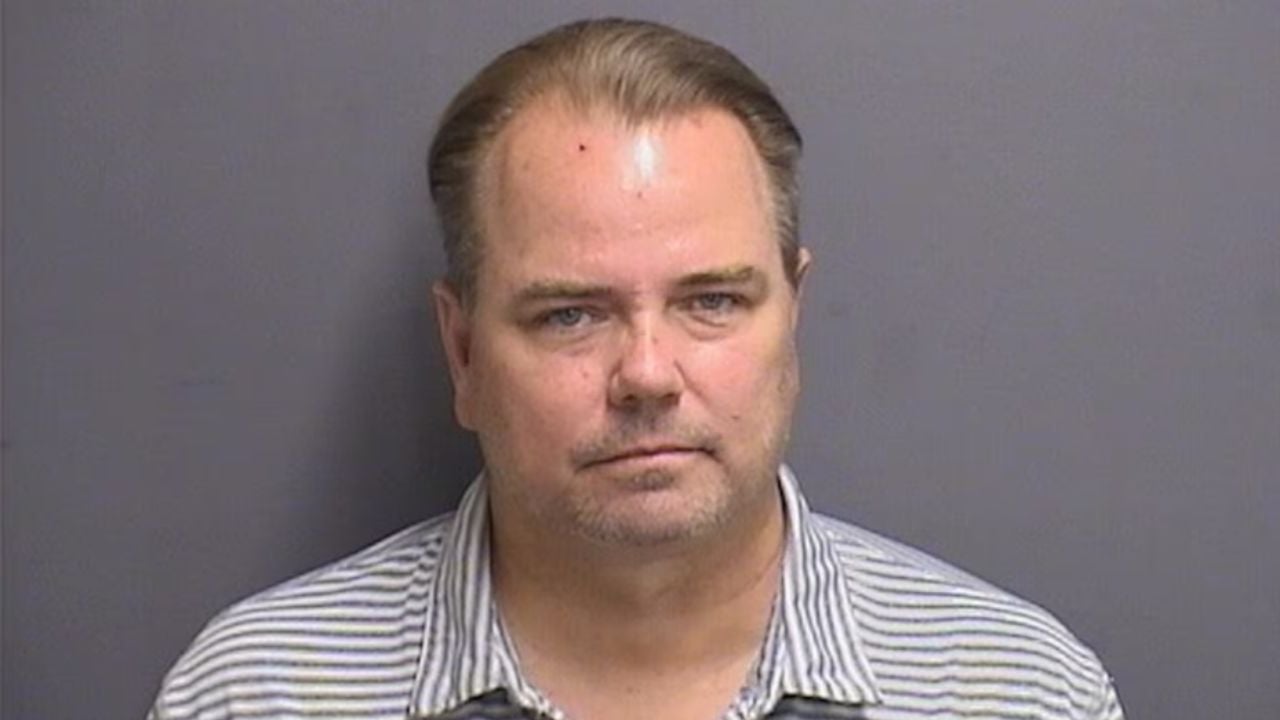
A former Connecticut funeral home director accused of taking money that customers had set aside for future funerals has accepted a plea offer that would cap his prison time at seven and a half years.
Philip Pietras, 52, appeared September 18 in Rockville Superior Court, where his attorney said he had accepted the state’s offer, according to WFSB. The proposed agreement calls for a 15-year sentence suspended after seven and a half years, followed by five years of probation.
Pietras has not formally entered the plea. His case was continued until October 23, when the judge is expected to consider the agreement, while sentencing has tentatively been scheduled for January 22, 2027.
The later sentencing date allows time for impact statements from more than 170 victims. Prosecutors accuse Pietras of collecting prepaid funeral money through businesses he operated in several Connecticut towns and diverting funds to personal expenses, including gambling and travel.
The Investigation Started With Money Missing From an Escrow Account
In October 2024, an employee who managed finances for people with physical and cognitive disabilities contacted state police about a client’s funeral payment. The check had cleared after being sent to Pietras Funeral Home in Coventry, but the money had never reached the trust account where it was supposed to be held.
When investigators examined other clients’ arrangements, they found eight people whose payments did not match the money in their accounts. Several had no account at all. The missing funds totaled $81,300, according to WFSB’s reporting on the first investigation.
State police arrested Pietras on a first-degree larceny charge in April 2025. As news of the arrest spread, other customers checked on the money they had paid him and brought their own complaints to police.
The Case Spread Across Four Connecticut Towns
Pietras had operated funeral businesses in Coventry, Vernon, East Windsor and Tolland, leaving police in several jurisdictions to investigate the contracts. By June 2026, he had 44 theft cases pending in Rockville Superior Court and was accused of taking more than $1 million, CT Insider reported. Some of the alleged thefts dated to 2009.
The state revoked his embalmer’s license in December 2025 and licenses for funeral homes in Coventry, Tolland and Vernon in June 2026. He is no longer operating any of the affected businesses, including his former East Windsor funeral home.
For Alison Greene, whose mother, sister and aunt were among those affected, the proposed prison term was “not nearly enough for the amount of pain and anguish he has caused so many families.” She spoke to CT Insider outside court after the September 18 hearing.
Arrest Warrants Described Years of Casino Gambling
Police also examined Pietras’ casino spending. Arrest warrants reviewed by CT Insider put his losses at Mohegan Sun at more than $1.2 million over 14 years and his lifetime wagers at Foxwoods at approximately $8.1 million. A separate warrant described more than $8.47 million gambled at MGM Springfield between August 2018 and August 2025.
The amounts wagered cannot be added together as a tally of customers’ missing money, or treated as gambling losses. The Mohegan Sun figure describes losses; the other two describe betting activity. Prosecutors’ allegations concern the funeral payments that investigators say Pietras diverted instead of placing in escrow.
Compensation for Funeral Fraud Victims Is Due to Begin in 2027
Connecticut approved a compensation fund in 2026 after customers affected by the case sought help recovering their money. Eligible victims can receive up to $10,000, though payments cannot exceed what they lost. CT Insider reported that funding would become available in July 2027 and applicants would need a valid, signed contract for the services that were not provided.
Other changes are already in effect. Since July 1, providers have been required to give purchasers a state fact sheet before they sign a prepaid funeral contract. Purchasers must also sign an acknowledgment that they received it and had time to read it, according to the DCP.
The written agreement must describe the goods and services being purchased and identify the funeral director. For arrangements funded through escrow, it must also name the agent holding the money and explain how the funds will be invested. That agent cannot be the funeral director or embalmer.
Customers Should Receive Confirmation Within 25 Days
For customers paying into escrow, the state’s requirements set two deadlines: the funeral home must deposit the payment within 15 days of receiving it, and the escrow agent then has 10 days to send confirmation. Purchasers should therefore receive a notice within 25 days stating the exact amount deposited. These requirements do not apply to contracts funded by a life insurance policy.
A canceled check confirms that a payment was made, but customers also need the escrow notice to check that it reached the account holding their funeral funds. Keep both with the contract and receipts. If the notice never arrives, or the amount differs from what was paid, contact the escrow agent named in the agreement.
The Department of Consumer Protection advises purchasers to raise contract problems with the funeral home or escrow agent first, then file a complaint with the agency if the issue remains unresolved. Suspected theft can also be reported to local police or Connecticut State Police.