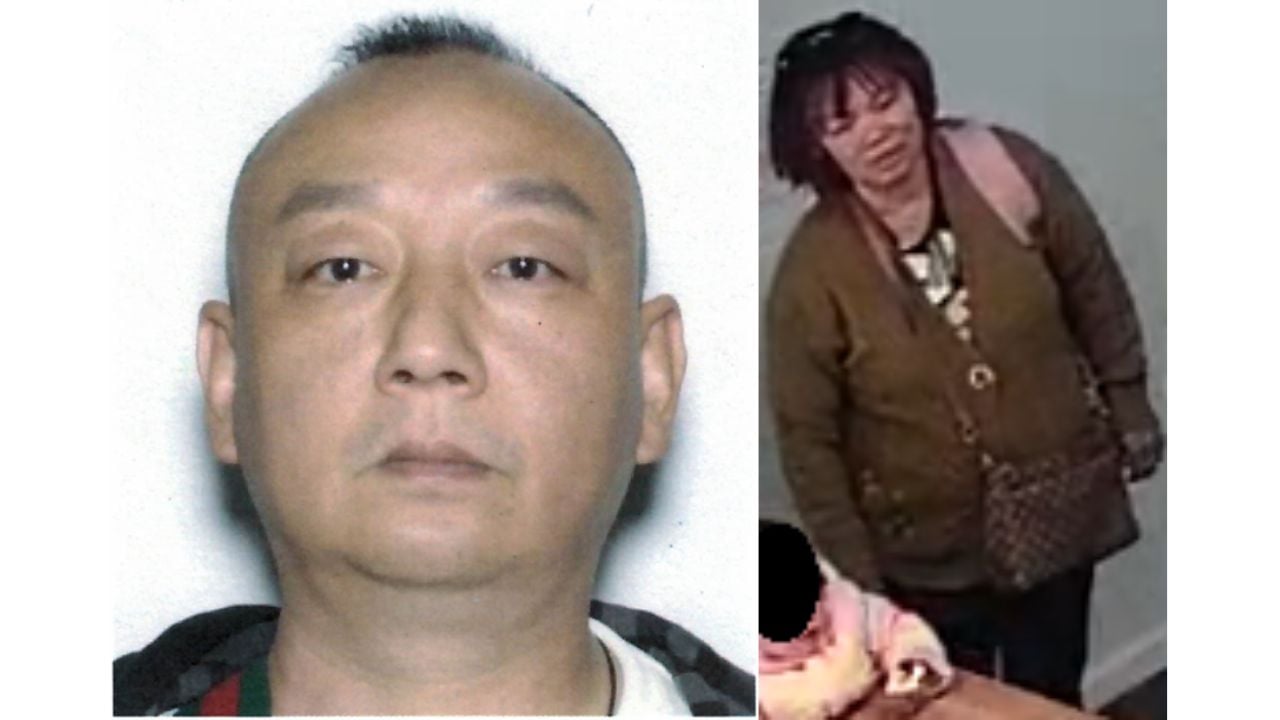
A Queens couple owned their Flushing home. Prosecutors say imposters showed up at a closing with fake IDs, used the couple’s personal information, and took out a cash-out mortgage for more than $688,000 on the property.
Five people were indicted in the alleged identity theft and mortgage fraud scheme, Queens District Attorney Melinda Katz announced July 8. Three corporations were also named in the indictment, along with a Jane Doe defendant whose identity was not yet known.
Prosecutors said the case was allegedly orchestrated by Tony Wanyiu Cheng, 56, of Bayside, a real estate broker accused of overseeing the scheme. Two people allegedly pretended to be the real homeowners during the closing.
The charges are accusations. The defendants are presumed innocent unless and until proven guilty.
Prosecutors Say Two People Pretended To Be the Homeowners
The scheme centered on a Flushing property that was legitimately owned by a husband and wife, according to the Queens District Attorney’s Office.
In November 2024, Gui Li, 45, of Flushing, and an unidentified woman allegedly impersonated the homeowners during a closing for a cash-out mortgage. Prosecutors said Cheng and Chun Kong Lau, 46, of Staten Island, were also present at the closing.
Gui Li and the unidentified woman reportedly presented the title closer with fraudulent Pennsylvania driver’s licenses and Social Security cards containing the real homeowners’ personal information.
Prosecutors said Cheng was then given two checks made out to the male homeowner.
The Mortgage Checks Totaled $688,403
The next day, Lau and Qiang Li, 59, of Flushing, allegedly impersonated the male homeowner at a South Flushing TD Bank branch, prosecutors said.
According to the Queens DA’s Office, Lau and Qiang Li used a fake Maryland driver’s license with the victim’s date of birth to open a joint bank account in person.
The mortgage checks, totaling $688,403, were deposited into that account, prosecutors said.
After the money was deposited, some of it was transferred by check into three business bank accounts held by Cheng. Prosecutors said some funds were later transferred electronically into Cheng’s personal bank account.
More Than $269,000 Went to Cheng’s Accounts
Cheng’s personal and business accounts received more than $269,000 from the mortgage proceeds, according to prosecutors.
The rest of the money was transferred into other bank accounts owned by people whose relationships to the defendants were unknown, the Queens DA’s Office said.
Once the funds were moved out, prosecutors said the TD Bank account was closed in January 2025.
The legitimate homeowner later reported the mortgage fraud to the Queens District Attorney’s Office.
Five Defendants Were Indicted
The indictment named Cheng, Lau, Gui Li, Qiang Li, and Jane Doe. The three corporations associated with Cheng were identified as CB Direct Store Inc., YW Capital LLC, and MTR Development Co. LLC.
Cheng, Lau, Jane Doe, and Gui Li were indicted on charges including residential mortgage fraud in the second degree, falsifying business records in the first degree, identity theft in the first degree, forgery in the second degree, criminal possession of a forged instrument in the second degree, and offering a false instrument for filing in the first degree.
The defendants, along with Qiang Li, were also charged with grand larceny in the second degree, according to prosecutors.
Cheng, Lau, Qiang Li, and the three corporations were charged with money laundering counts. Prosecutors said Cheng, Lau, Qiang Li, and the corporations were arraigned before Queens Supreme Court Justice Leigh Cheng and ordered to return to court July 29.
Gui Li and Jane Doe remained at large as of the DA’s announcement. Prosecutors said the defendants face up to 15 years in prison if convicted.
Homeowners Should Watch for Loans They Never Took Out
The case shows why homeowners should not only watch for a deed transfer. Prosecutors said this alleged scheme used identity documents to take out a mortgage on a home the defendants did not own.
A warning may arrive as lender mail, escrow notices, tax paperwork, title-company documents, credit inquiries, insurance notices, city records, or a recorded mortgage or lien the owner does not recognize. A homeowner who gets mail about a refinance, mortgage, payoff, lien, closing, or lender they never dealt with should not throw it away.
New York City’s Department of Finance says deed theft can involve a false or deceptive deed, mortgage, or other property document recorded without the owner’s knowledge and consent. The city advises homeowners to review recorded documents tied to their property and check at least once a year for deeds or mortgages they did not authorize.
What To Check Before the Damage Spreads
New York City homeowners can use the Department of Finance’s deed theft prevention resources and the Automated City Register Information System to review documents recorded against properties in Queens, Brooklyn, Manhattan, and the Bronx.
Homeowners can also sign up for property and deed alerts, keep mailing addresses current with property offices, review credit reports for unfamiliar mortgages or credit checks, and save any notice connected to a lender, title company, insurance policy, payoff statement, or escrow account they do not recognize.
Anyone who finds an unfamiliar mortgage or recorded document should collect the record, save all notices and envelopes, contact the lender in writing, file an identity theft report, contact local law enforcement or the district attorney’s office, and speak with a real estate attorney before signing anything connected to the property.