
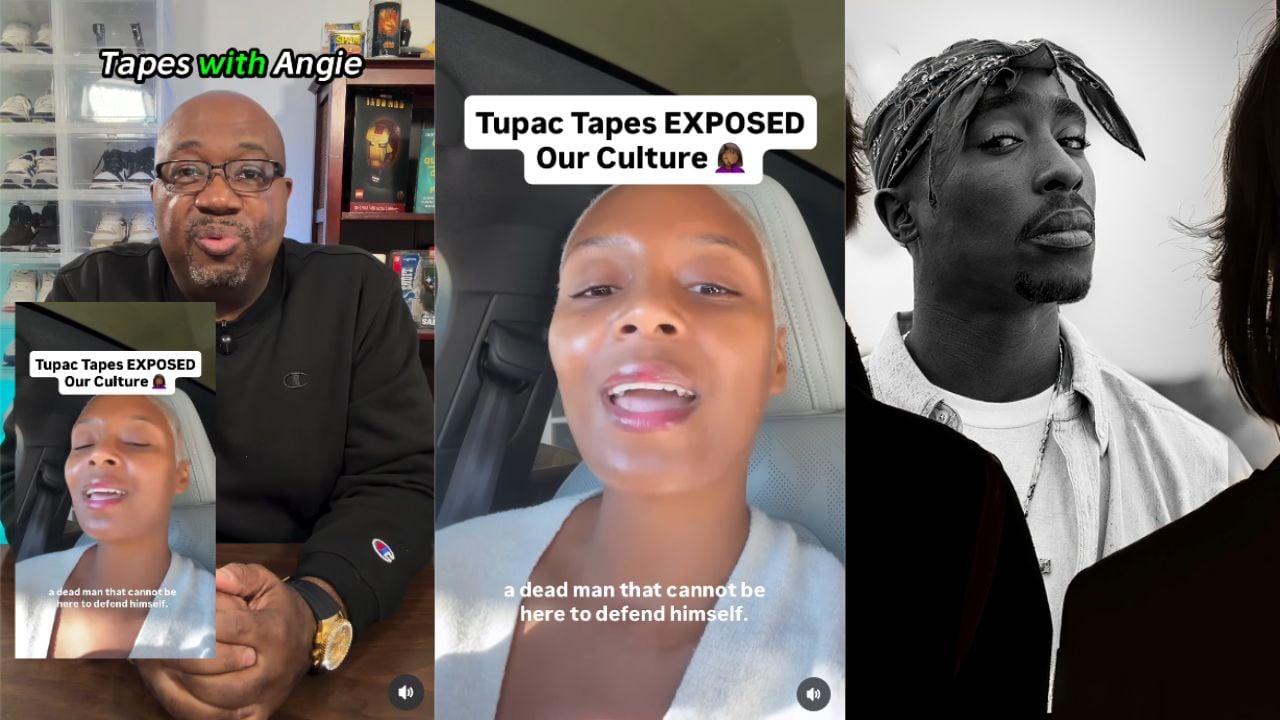
Therapist Elliott Connie is defending Netflix’s Tupac Shakur series after content creator Candyss Love called it a “public humiliation ritual.”
In a November 28 Instagram response, Connie played Love’s criticism before answering it. “I passionately disagree,” he wrote in his caption.
The Tupac Tapes with Angie Martinez premiered on November 27. The four-part video podcast combines previously unreleased portions of Martinez’s 1996 conversation with the rapper and discussions about his life and legacy.
Love’s video, posted November 28, had received more than 95,000 Instagram likes by November 29.
Connie Makes the Case for Releasing the Interview Sooner
View this post on Instagram
Connie argued that criticism of Martinez would make more sense if it focused on why she had waited so long to release the material.
He compared withholding the recordings to efforts to keep certain books and movies away from children, questioning why audiences should be prevented from hearing material that might make them uncomfortable.
Love Asks How Viewers Would Feel About Their Own Family
View this post on Instagram
Love’s caption asked viewers how they would feel if recordings of one of their own family members were released. Her video argued that Tupac can no longer answer the judgments being made about him, a concern also raised by a commenter under Connie’s response who questioned the value of publishing the interview decades later.
A reply beneath Love’s video challenged that comparison: “It was an interview not a private conversation.”
Martinez Says She Withheld Remarks to Avoid Further Harm
Martinez explained her original decision in a November 11 interview with Netflix’s Tudum, before Love and Connie posted their videos. She said inflammatory comments could have hurt people, damaged relationships and made an already dangerous situation worse.
She had aired portions of the conversation, including Tupac’s explanation that his dispute was not with the entire East Coast. After his death, she said, “I felt a responsibility to protect something that was never meant to become his final statement.”
Three decades later, Martinez said she saw the tapes as hip-hop history that should not remain solely in her possession. The series offered room to explain the circumstances around the interview and bring in guests with different perspectives who could challenge one another’s memories.