Imagine throwing one of the world’s most prestigious film festivals, and somehow the biggest story coming out of it isn’t a single movie.
That’s where Berlinale is right now, and honestly. It’s a lot.
The Berlin International Film Festival has spent years perfecting the art of the dignified sidestep. Keep the focus on the films. Let the artists do the talking. Stay classy. Stay above it. For a festival that’s been running since 1951, that’s not just a strategy. At this point, it’s basically a personality trait.
Then Tilda Swinton showed up on an open letter, and the whole thing went sideways.
So What Actually Happened?
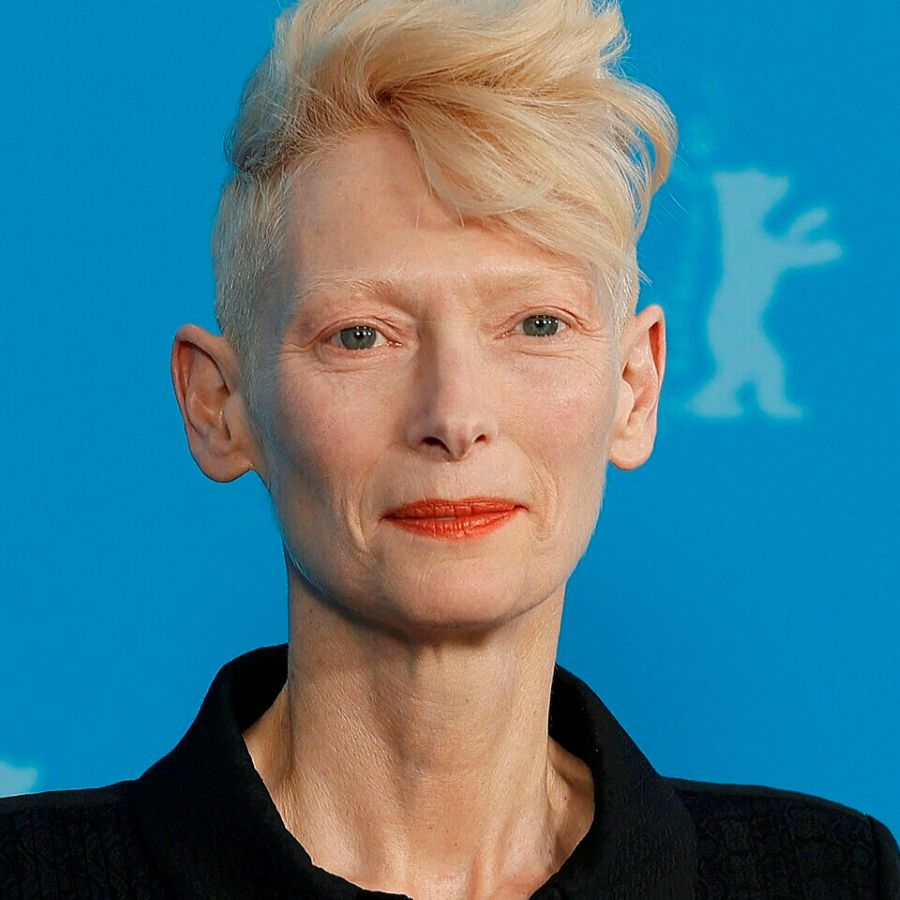
More than 90 filmmakers, actors, and industry names — now 93 signatories as of Feb. 18, including Tilda Swinton and Javier Bardem — signed an open letter calling on Berlinale to take a public stance on Gaza. Specifically, to condemn what the letter describes as Israel’s “genocide, crimes against humanity and war crimes” against Palestinians.
That’s not a small ask for a festival that relies on public backing and international partnerships. But the signatories are not particularly interested in Berlinale’s institutional comfort right now.
The letter has a second demand too, and this one hits differently for anyone who’s watched a film press conference lately: stop policing artists who speak out. The letter argues the festival has not protected artists’ freedom to speak on Gaza, and calls on Berlinale to do that explicitly.
The Moment That Made Everything Worse
Here’s where it gets genuinely wild.
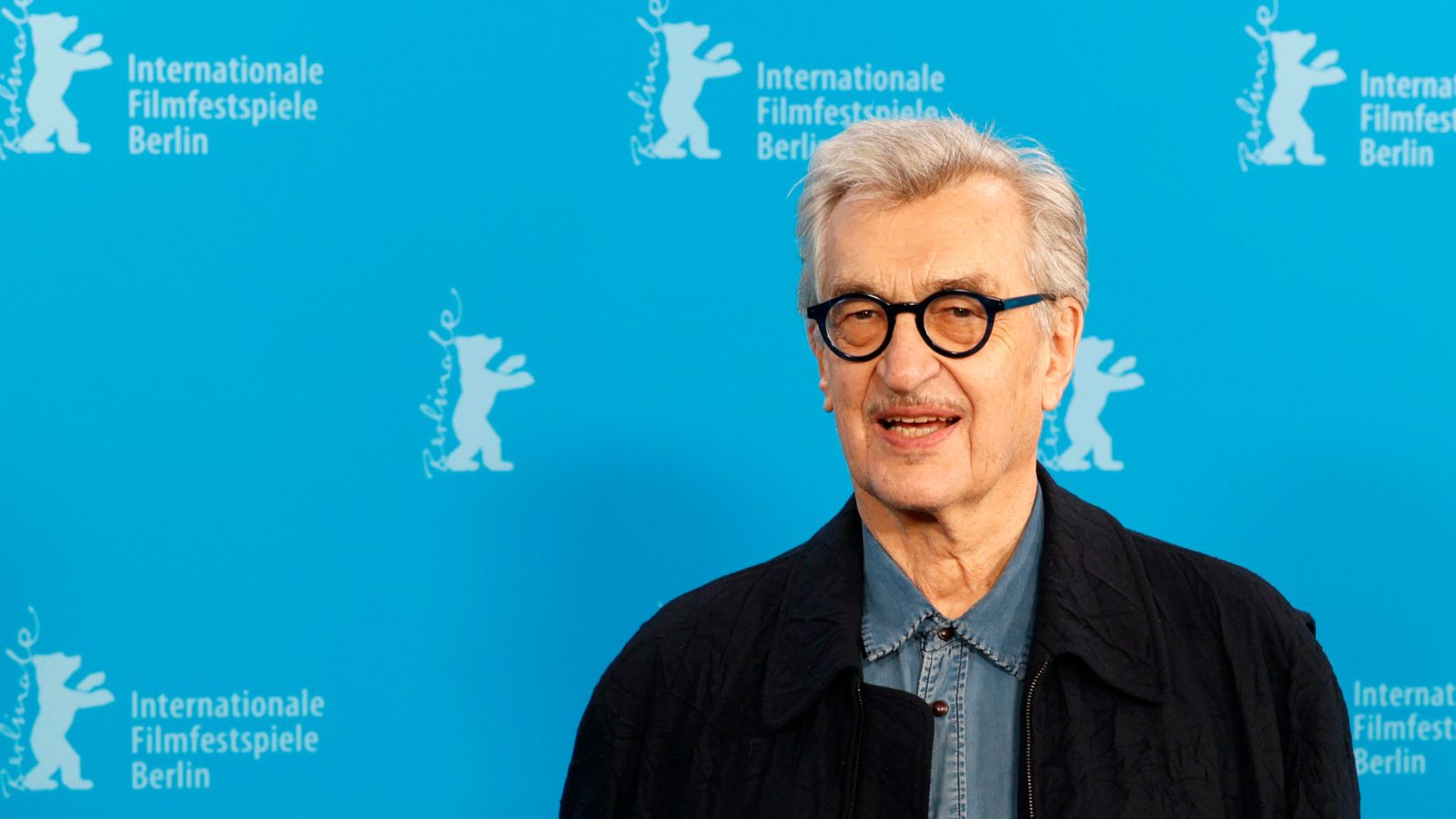
Jury president Wim Wenders — yes, the legendary German director — told reporters at a press conference that filmmakers should “stay out of politics” when asked about Germany’s position on Gaza.
Shortly after, the festival’s livestream dropped. Berlinale said it was a technical issue and apologized. And maybe it was. But after “stay out of politics,” a conveniently timed technical issue no longer appears to be one. It looks like the internet’s universal “uh oh” face.
Booker Prize-winning author Arundhati Roy did not find it funny at all. She pulled out of the festival entirely and called the jury’s comments “unconscionable.” At that point, the story had officially escaped the arts section and was running loose.
A Trophy Got Left on Stage
As if the open letter and the livestream drama weren’t enough, this week added a new move: refusing the prize.
Tunisian filmmaker Kaouther Ben Hania rejected a Cinema for Peace Awards “Most Valuable Film” prize for her project The Voice of Hind Rajab, and left the trophy on stage in protest, framing it as a rejection of the political cover she says has been given to Israel’s war in Gaza.
The Thing Nobody Can Explain Away
Here’s the part that’s genuinely hard for Berlinale to shake. They’ve done politics before. Happily, even.
The festival has taken clear stances on Ukraine. On Iran. Nobody asked them to “stay above it” then. So when the response to Gaza is a shrug and a “we’re just a film festival,” people notice the inconsistency. Critics, including the letter’s signatories, are essentially saying: you don’t get to be selectively neutral. That’s just called having a position.
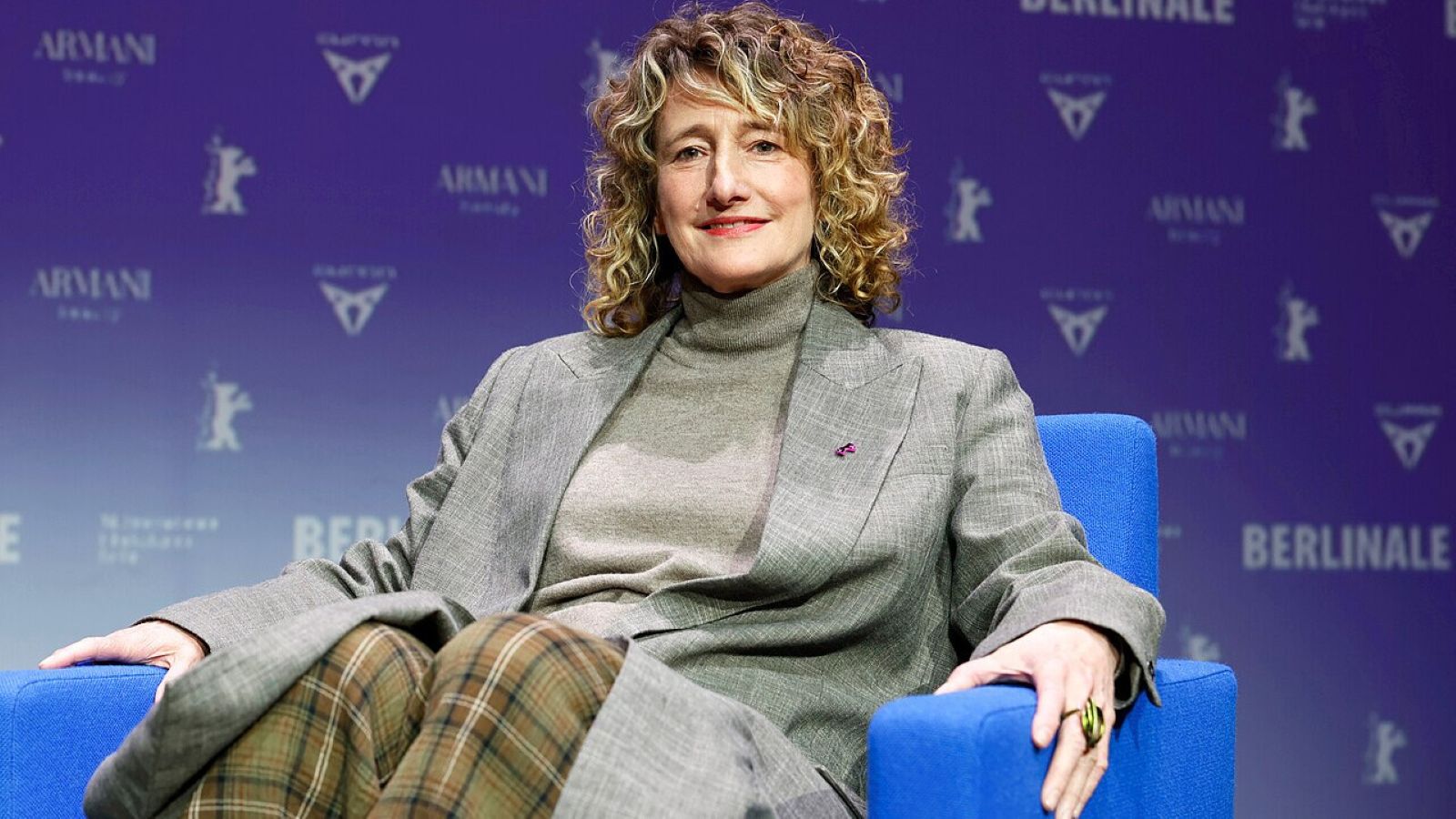
Festival director Tricia Tuttle has tried to explain the bind, and to be fair, she’s not entirely wrong. Her argument is that filmmakers are being put in impossible positions where any answer — or no answer — gets them dragged online, and that artists shouldn’t be forced into a loyalty test. The Q&A circuit has basically become a political obstacle course, and it’s exhausting for everyone.
True. And also. Not really the point right now.
Why Your Favorite Celebrity’s Next Press Tour Is About To Get Weird
This fight isn’t staying in Berlin. It never was.
Every major Hollywood press tour now has a hidden second script running underneath the official one. The movie stuff, and then the landmines. Publicists are already sweating. Festivals are quietly figuring out how to “manage” Q&As without it looking like they’re managing Q&As.
None of it is going to work, by the way, because trying to control what people talk about just makes people want to talk about it more.
The Two Sides, Because There Are Always Two Sides
The discourse has predictably split into two very loud camps.
Camp One says: when something is this serious, silence is a choice, not a neutral position. Institutions have power, and they should use it. Not saying anything is still saying something.
Camp Two says: forcing institutions to issue political statements isn’t accountability, it’s a loyalty test. “Free speech” that only applies when you say the approved thing isn’t free speech.
Both sides think they’re protecting artists. They just mean completely different things by that. And both sides will be in the comments of this article within the hour, so hello.
What Happens Now
Berlinale is almost certainly going to release another statement. It will be carefully worded. It will use words like “commitment,” “dialogue,” and “values.” It will make everyone furious in different ways.
The letter’s signatories will call it a non-answer. The other side will call it a cave. Film Twitter will explode. Someone will make a 47-minute video essay about it. And now that people are literally leaving awards on stage, this stops being just a statement fight and starts looking like a festival-wide rebellion.
Somewhere, a very good movie that screened at Berlinale this week is sitting quietly, wondering why nobody is talking about it.
That’s the real twist. The festival that exists to celebrate cinema just became the most discussed entertainment story of the week, and not a single film is why.
When you try to stay above the drama, sometimes the drama just climbs up to meet you.
Israel rejects the genocide characterization used in the open letter and says it is acting in self-defense after Hamas’s Oct. 7, 2023, attack. Some U.N. experts and human rights groups have used the term genocide in describing Gaza, and the question remains legally and politically contested.