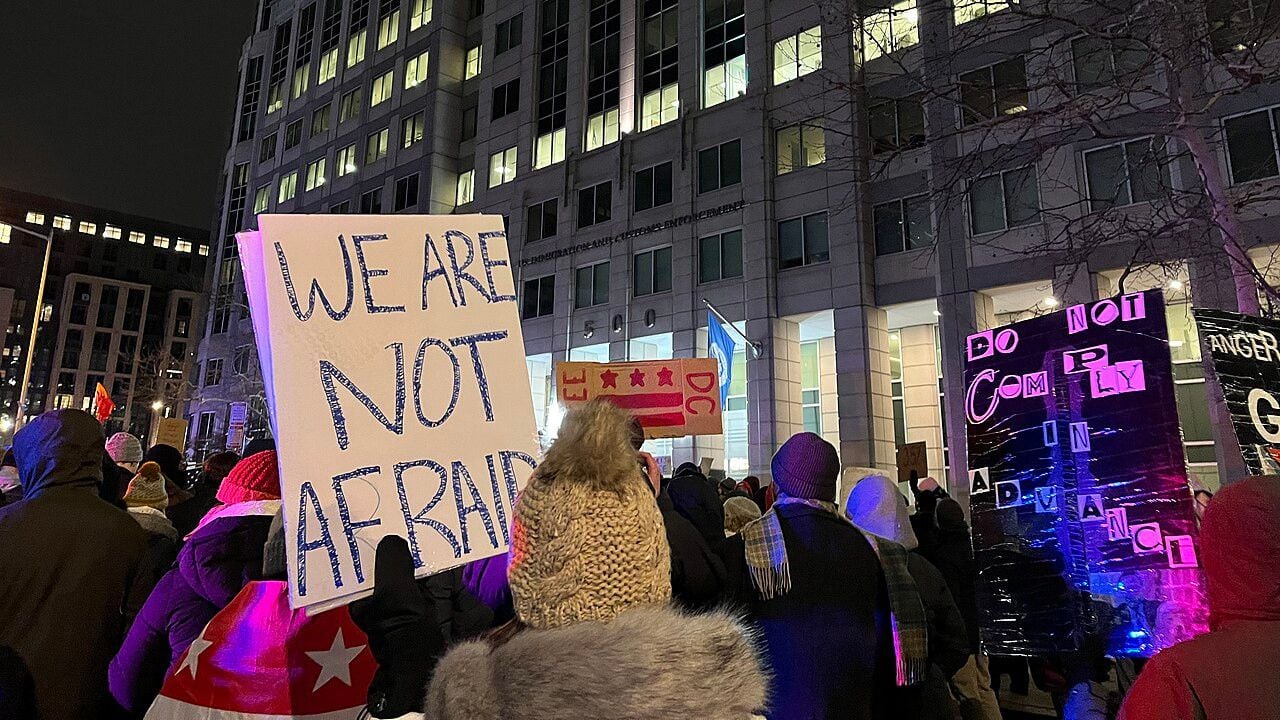
The warning used to be simple: call the police, go to court, get the protective order, build the paper trail. For immigrant survivors, that advice now comes with an ugly footnote: ICE may be waiting when they walk out.
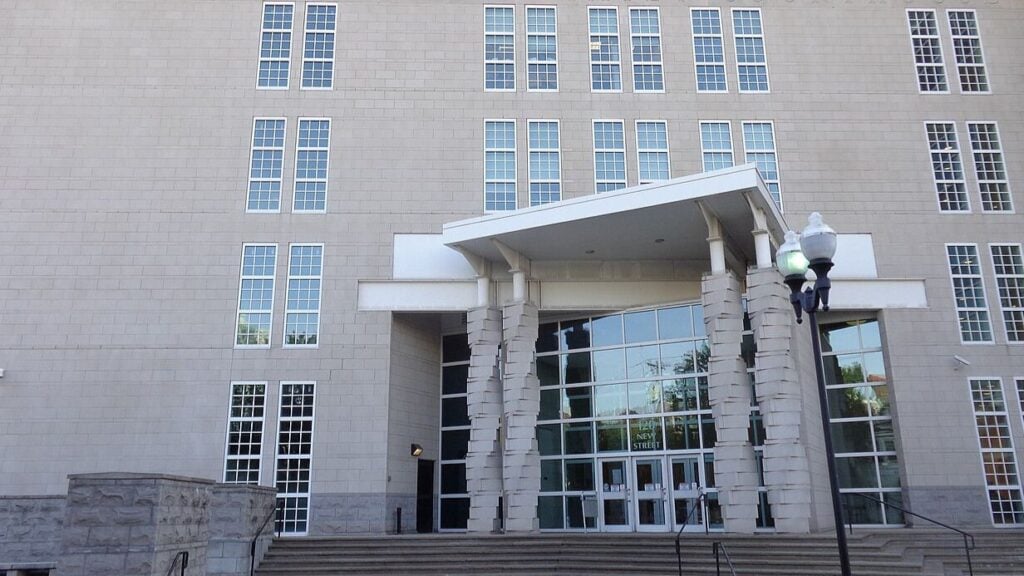
That is what happened to a 35-year-old New Jersey mother of two, according to The Atlantic. She went to family court seeking a restraining order against her ex-boyfriend. On the stand, she testified that he grabbed her from behind, put her in a chokehold, and raped her until she lost consciousness. His lawyer denied the allegations.
Then the hearing ended.
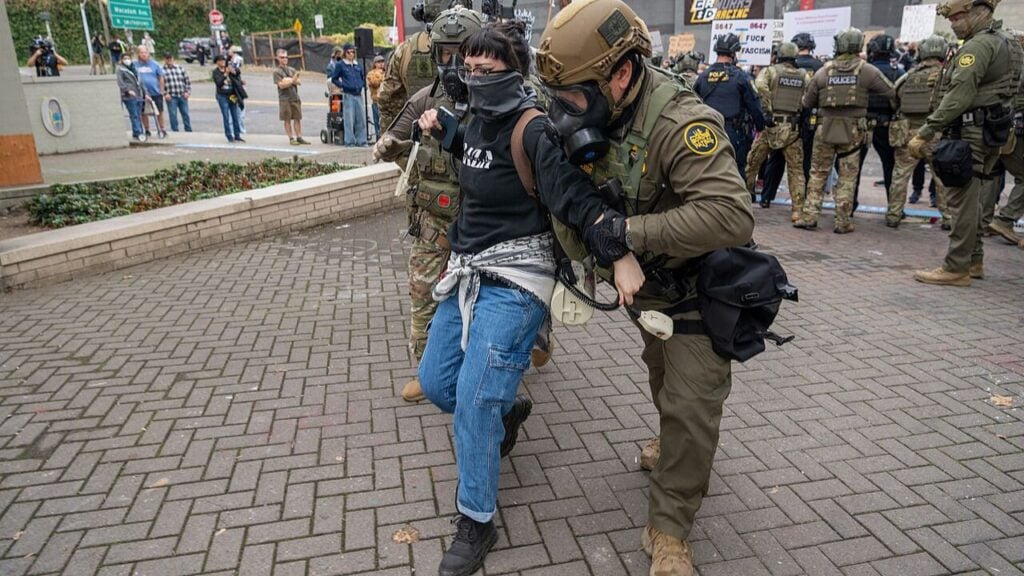
She walked out with a victim advocate beside her. Outside the courthouse, two plainclothes federal agents tackled her.
The advocate ran back inside for help. Police were nearby, but the advocate said they would not intervene once they realized the men were ICE. Her line to The Atlantic captured the whole problem: “The police were just standing there like they were having a coffee klatch.”
After about 15 minutes, agents put the struggling woman into an unmarked car and drove away. Five days later, she was moved to the South Louisiana ICE Processing Center, where she said she slept near more than 70 women.
Who she was before that
She was a former DACA recipient, brought to the United States at 13. Her record included several dismissed charges, plus two minor matters that ended in fines and no jail time. Her two children, 15 and 10, remained in New Jersey with their fathers.
From detention, she wrote to an immigration judge that her status had “always been a weapon” used against her. Her request was denied. She agreed to voluntary departure and returned to a country she had not lived in since she was a teenager.
What her attorney believes happened
Her immigration attorney, Carolyn Hines, argued in a court filing that ICE officers likely acted on information from the ex-boyfriend, a U.S. citizen. ICE rules prohibit officers from relying solely on information from an alleged abuser when targeting someone for arrest. A DHS spokesperson denied the claim.
The ex-boyfriend’s lawyer offered a different theory: that the woman fabricated the rape allegations to protect herself from immigration enforcement. The Atlantic noted she had not applied for a U visa in the six months between reporting the alleged assault and her detention.
DHS called her a “criminal illegal alien.” She is now in South America. The charges against both her and the ex-boyfriend remain unresolved.
That is the point. A woman went to court seeking the state’s protection from one man. Another arm of the same state was waiting outside.
What happened first in Austin?
New Jersey was not a one-off.
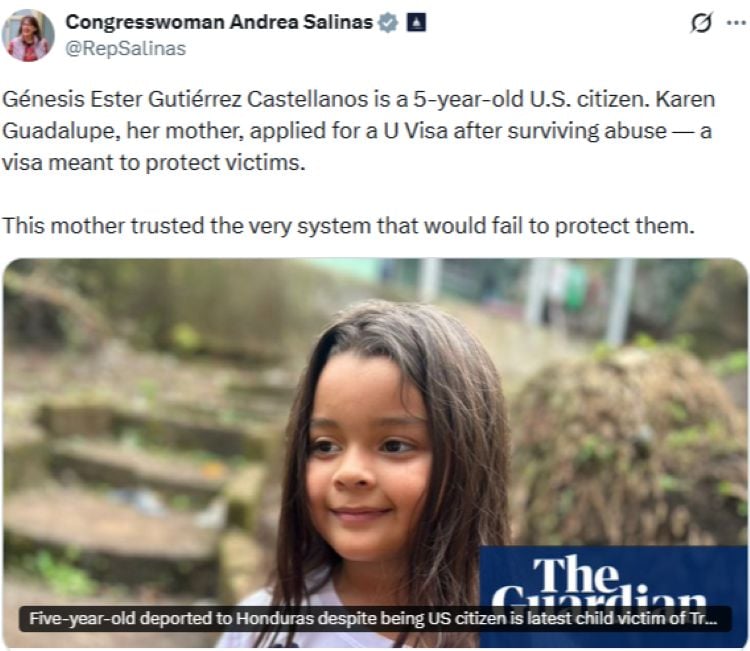
On Jan. 5, Karen Guadalupe Gutiérrez Castellanos called Austin police about a domestic disturbance. A friend had been a victim of domestic violence, according to The Guardian, and the alleged perpetrator had shown up. Officers found no ongoing disturbance and no injuries. They ran Karen’s name. She had an administrative ICE warrant from 2019. They called ICE.
Karen, 26, and her 5-year-old daughter Génesis were taken into custody and deported to Honduras. Génesis is a U.S. citizen. She had never lived anywhere else. Weeks later, Karen said she planned to send her daughter back to the United States so she could return to school and family.
Austin later revised its policy to say officers are not authorized to arrest or detain someone based only on an ICE administrative warrant.
What Houston learned a year ago
In 2025, a Salvadoran woman in Houston who had lived in the city for seven years called 911 after her ex-husband accosted her. She had a protective order. Officers came, took a report, and spent about 40 minutes with her. The next day, she learned police had notified ICE.
The police report said ICE would “attempt to arrest complainant another time due to no one taking custody of complainant’s children.”
She told the Houston Chronicle she could not call again. “If he were to hurt me again, I don’t think I could report it because that’s where my story would end.”
What the advocate says now
The advocate who watched the New Jersey woman being dragged into an unmarked car still works with survivors. But her job has changed. She now warns them that ICE could be waiting outside the court.
Giovanni Veliz, a retired Minneapolis police commander, told The Atlantic what abusers have figured out. “They say, ‘Hey, we can go target these Spanish-speaking victims, because they’re not going to call the police.'”
A survey by the Alliance for Immigrant Survivors found that 76% of advocates reported immigrant survivors are afraid to contact police to report domestic violence or sexual abuse.
The woman in New Jersey testified. She did what the system asked. She named what she says was done to her, in court, on the record.
ICE was outside.
So who exactly is the system for?
If you or someone you know needs support, call the National Domestic Violence Hotline at 1-800-799-SAFE (7233).