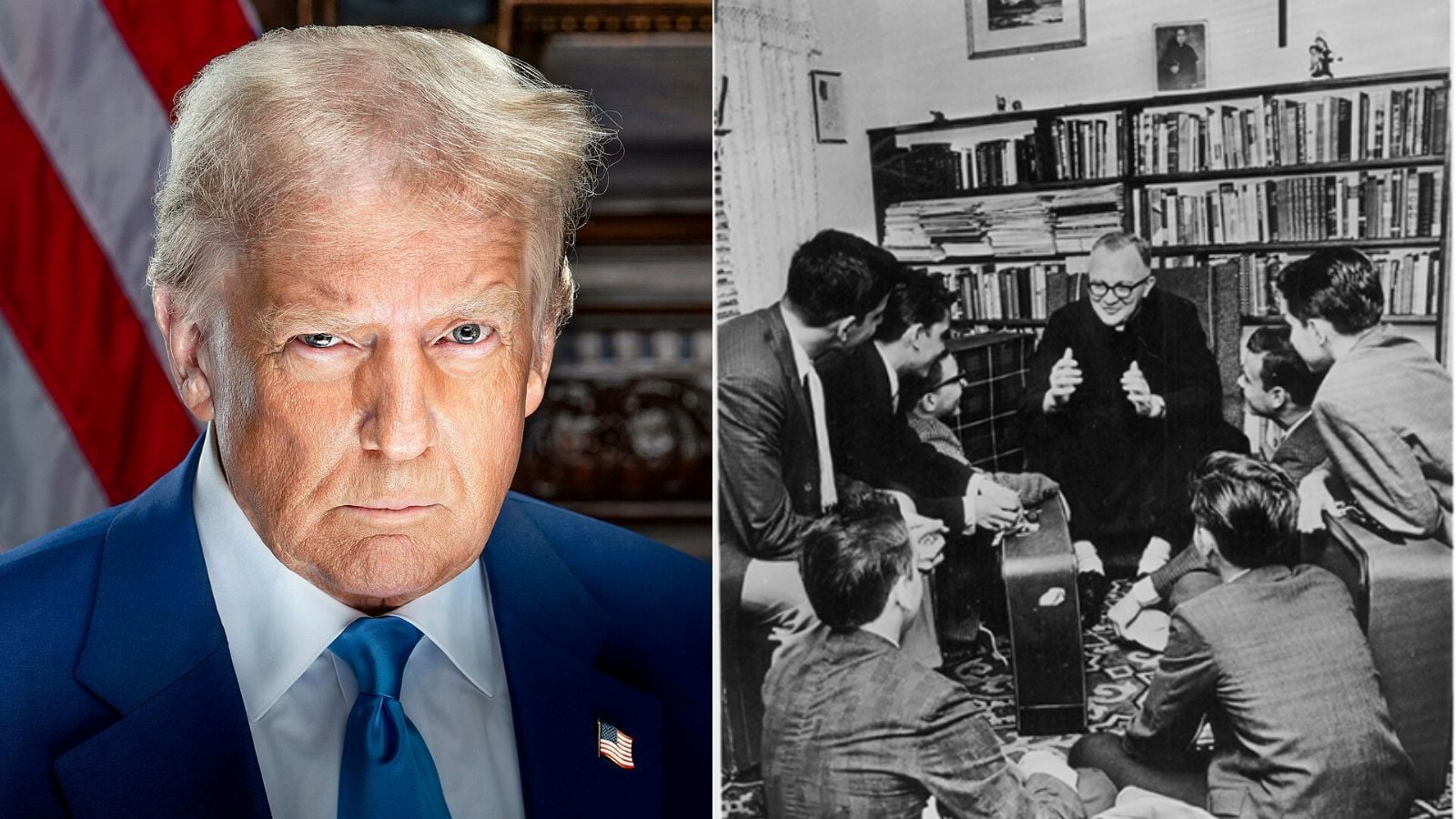
There are still children in the care of Catholic Charities in Miami right now. Unaccompanied minors who crossed into the United States without a parent. Some are sleeping in an 81-bed shelter named after Msgr. Bryan O. Walsh, the priest who helped take in Cuban refugee children beginning in 1960. That shelter is shutting down.
The Trump administration canceled an $11 million contract with Catholic Charities of the Archdiocese of Miami this week, ending a government partnership that dates back more than 60 years. The program will be forced to close within three months, according to Archbishop Thomas Wenski.
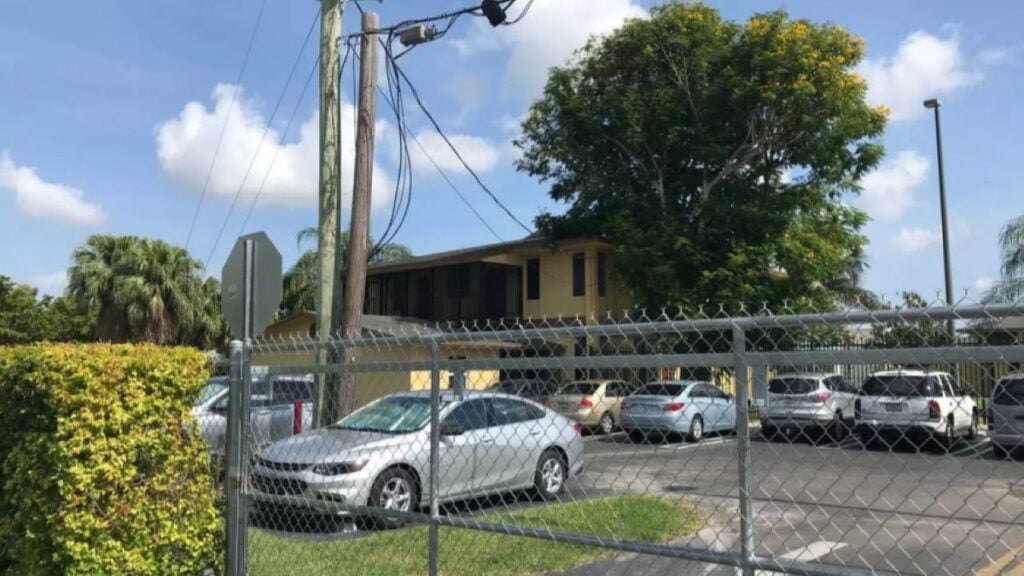
The administration says it’s about the math. The question is why nobody can explain where the kids go next, or what replaces this capacity.
The Math Works. The Timing Doesn’t
HHS says the cut is part of a broader consolidation. The daily population of unaccompanied minors in federal care dropped from a peak of about 22,000 under Biden to about 1,900 under Trump. According to the Washington Examiner, 49 charities’ grants were not renewed — not just this one. Deputy press secretary Kush Desai called the story “fake news.”
On paper, that’s defensible. If demand falls by 91 percent, scaling back makes sense. Wenski himself conceded the numbers are down.
But here’s where his concession turns into an indictment: Wenski said lower demand might justify scaling back some programs. It did not explain why the government would shut down one that, in his words, had served as a model for other agencies across the country and would be hard to replicate at the same level of competence. There’s a difference between downsizing and demolition. The administration chose demolition.
The Calendar That Won’t Stop Talking
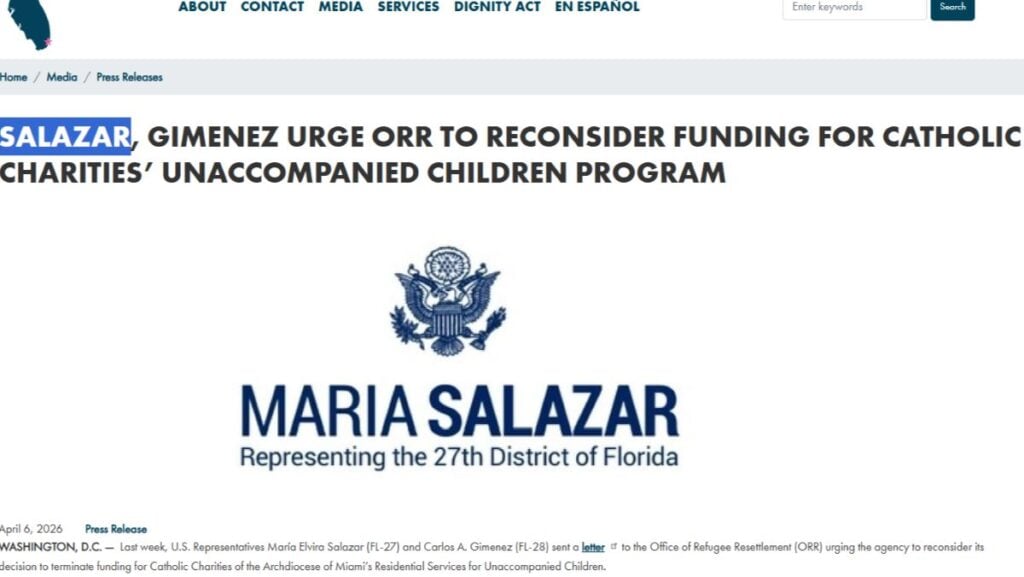
The federal government contacted Catholic Charities in late March about canceling the funding. On April 6, Republican Representatives María Elvira Salazar and Carlos Gimenez — both from South Florida, both members of Trump’s own party — urged ORR to reconsider, warning that South Florida is historically a first-response zone for child migration surges and that gutting this capacity was a strategic mistake.
Then, on April 12, Trump escalated his public feud with Pope Leo XIV, calling him “WEAK on Crime, and terrible for Foreign Policy.” Leo responded that he had “no fear” of the administration and would keep speaking out.
By April 15, the contract was dead.
Nobody can prove the contract cut was retaliation. But the administration’s timing made that suspicion inevitable. In January 2025, Vice President JD Vance accused Catholic bishops of caring more about their funding stream than immigration policy. Cardinal Timothy Dolan later said Vance apologized for those comments. The U.S. Conference of Catholic Bishops sued the administration over refugee funding cuts, and in April 2025 announced it would stop renewing a cluster of federal agreements to serve refugees and unaccompanied children.
That timeline tells its own story.
The Children Are Still Here. The Plan Isn’t
Forget the Pope for a second. Forget the politics. There are children in beds right now in Miami-Dade County who are about to lose the organization responsible for their care. The Miami Herald reported that relocating those children could take months unless licensed foster homes and shelters are already available — and there is no public indication that they are. Catholic Charities operates the equivalent of a federally funded foster-care system for these kids — trauma support, family reunification, supervised housing. That infrastructure took six decades to build.
The administration’s position is that fewer children are crossing, so less capacity is needed. But immigration surges are cyclical, and South Florida’s own Republican members of Congress are explicitly warning about Cuba and Haiti. The next spike in unaccompanied minors may not come tomorrow. That is exactly why keeping proven capacity matters, especially in a region that keeps getting the first call.
Even the administration’s allies in Congress could see the problem. Salazar and Gimenez didn’t object because they suddenly opposed Trump on immigration. They objected because they represent the district where these children actually live, and they know that gutting a proven program to save $11 million during an open fight with the Catholic Church is the kind of decision that looks worse with every news cycle.
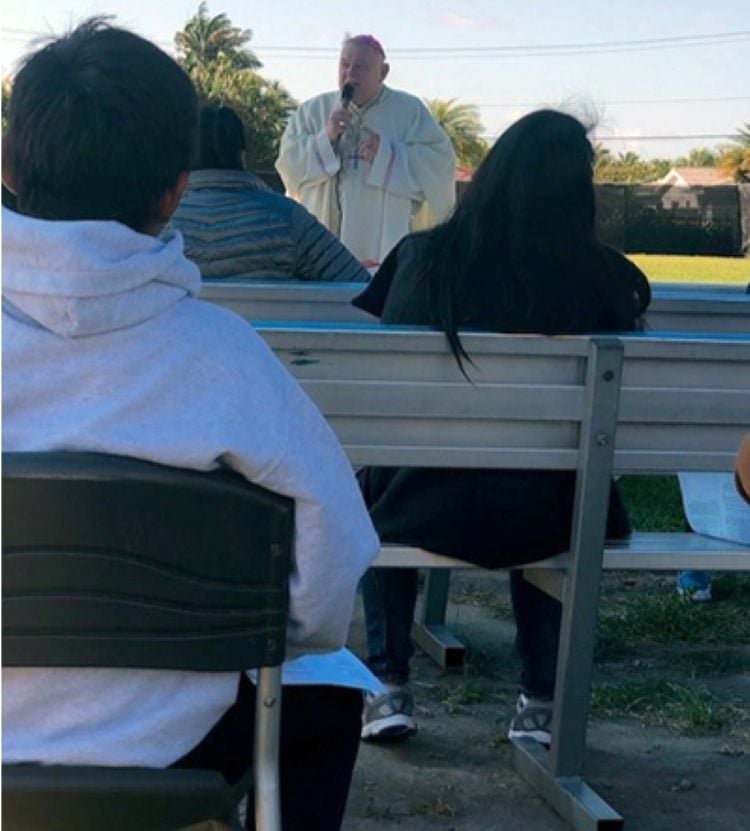
This Was a Cut. It Was Also a Message
The administration may have had a legitimate operational reason to shrink this contract. Demand is down. Consolidation happens. Budgets get cut. All of that can be true at the same time.
But you don’t dismantle a nationally respected children’s program in 90 days, during an escalating public clash with the Pope, with no public plan for the children still in care, and then call the coverage “fake news.” That’s a dare, not governance.
And the children still in those beds tonight do not care whether this was about budgets or the Pope or the politics of immigration. They care about where they’re sleeping in three months. Nobody in Washington has told them.