Two statements were made on Sunday within hours of each other. They cannot both survive Monday morning unchanged.
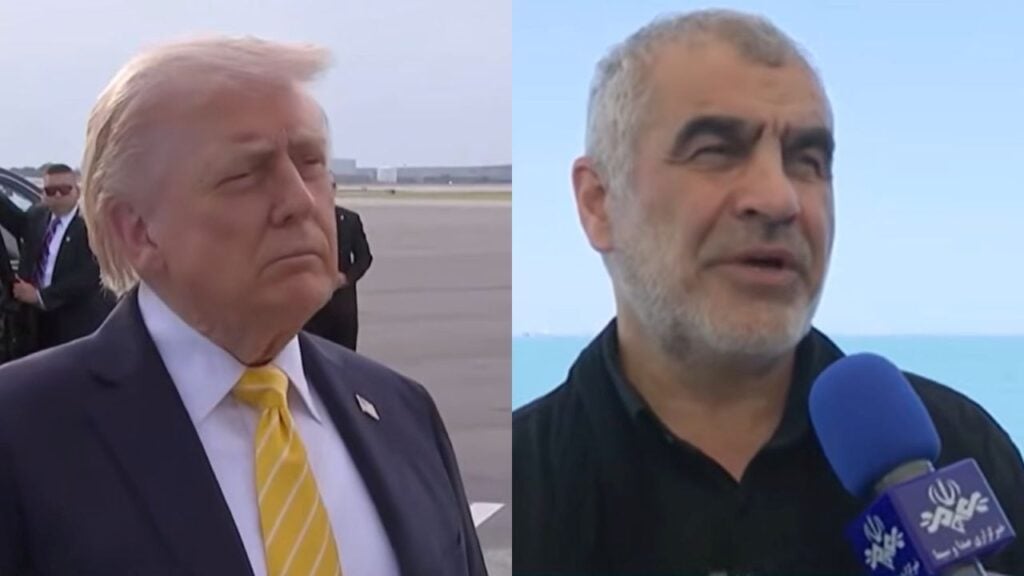
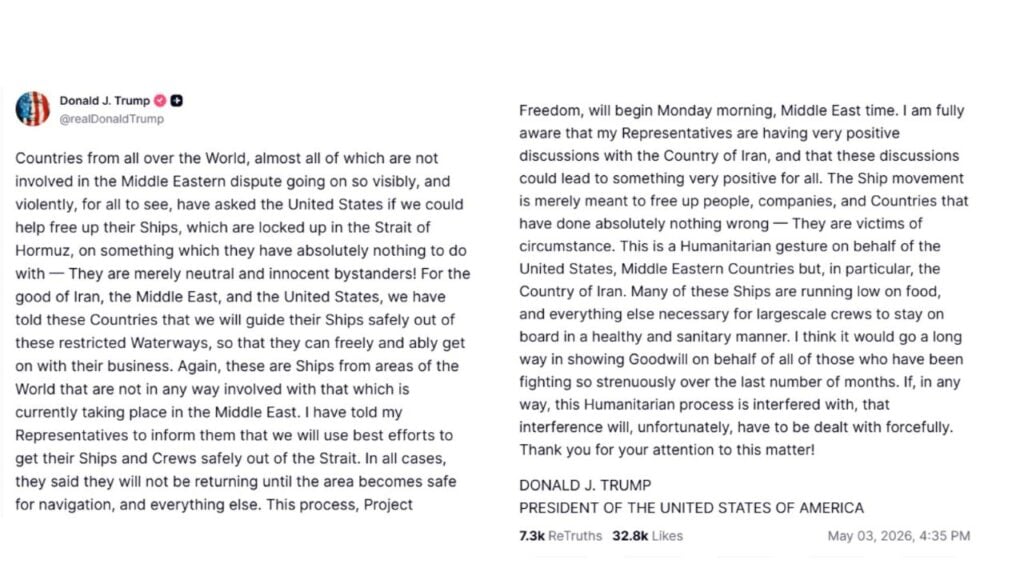
President Donald Trump announced on Truth Social that the United States will begin guiding neutral ships through the Strait of Hormuz on Monday, Middle East time, meaning tonight by American clocks. He named it “Project Freedom.” He called it a humanitarian gesture. He also warned that any interference will “have to be dealt with forcefully.”
Iran’s deputy parliament speaker, Ali Nikzad, answered from the other side of the same waterway. Tehran, he said, “will not back down from our position on the Strait of Hormuz, and it will not return to its prewar conditions.”
Read those two sentences together carefully. One country says it will move ships through a waterway whether Iran likes it or not. The other says the strait is not going back to normal. Monday morning is when the White House finds out whether “guide” was a verb or a dare.
What Project Freedom really is
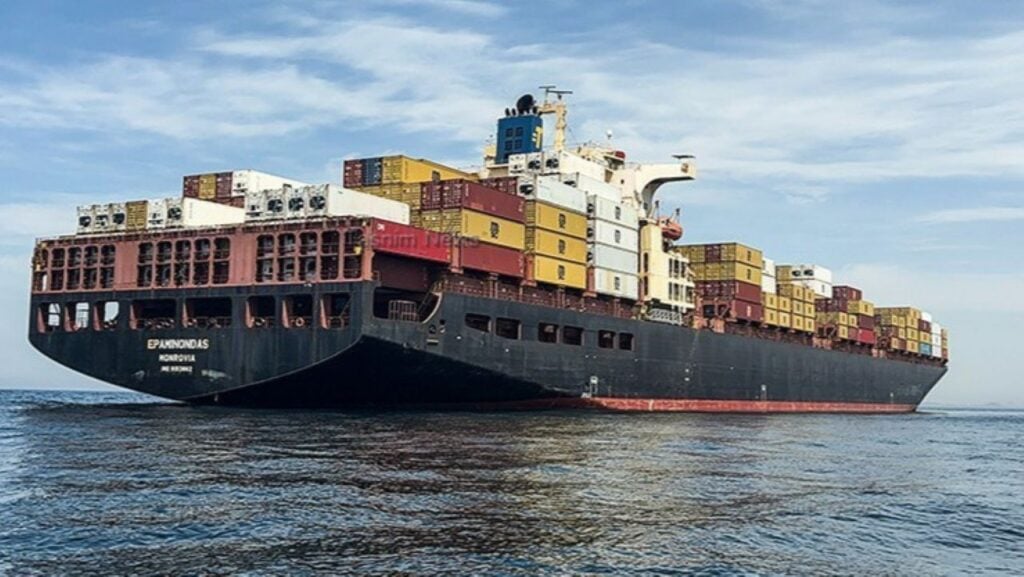
Trump described the operation as a response to requests from neutral countries whose ships have been stranded in the Persian Gulf since Iran effectively closed the strait after the United States and Israel launched the war on February 28. He said those ships are running low on food and supplies, and that crews are facing health and sanitary problems. He framed it as a favor, America stepping in for innocent bystanders caught in someone else’s mess.
That framing does real work. A humanitarian escort sounds cleaner than a direct challenge to Iranian control of the strait. It is both.
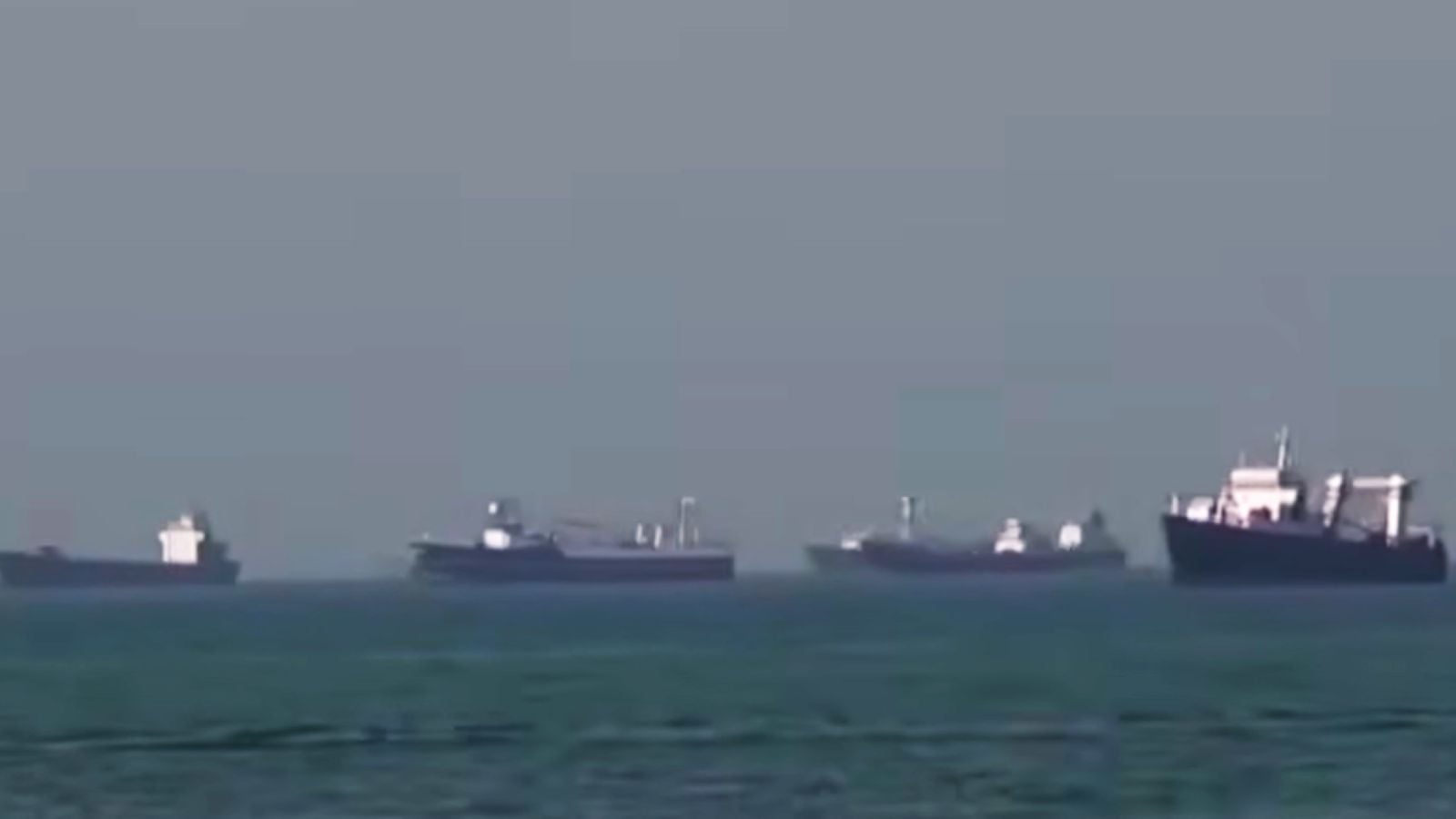
Hundreds of vessels are stuck. Around 20,000 seafarers are caught in the middle. Roughly one-fifth of the world’s oil and natural gas trade typically moves through the Strait of Hormuz, along with fertilizer and other petroleum-linked products. The closure is not just a military problem. It is an economic weapon with a fuel-price fuse attached.
The Strait of Hormuz math is ugly
The United States already has a blockade in place against Iranian ports. Since April 13, U.S. forces have turned back 49 commercial ships, according to Central Command. Treasury Secretary Scott Bessent said Iran has collected less than $1.3 million in tolls, which he called a “pittance” compared with its previous oil revenue.
Iran says ships not tied to the United States or Israel can pass if they pay a toll. The United States has warned shipping companies they could face sanctions if they pay Iran in any form, including digital assets. So the choice for operators is charming: risk Iran in the water, or risk Washington after the fact.
The problem with Trump’s timeline
Trump also said Sunday that his representatives are having “very positive discussions” with Iran about ending hostilities. Iran’s foreign ministry, through state-linked media, said Tehran was reviewing the U.S. response to its latest proposal.
So Washington is telling Tehran two things at once. Peace talks are going well. The ships are moving tomorrow anyway.
That is a stopwatch, not subtle diplomacy. Maybe Trump sees it as leverage. Maybe Iran sees it as humiliation wrapped in logistics. Either way, the military clock is now running faster than the diplomatic one.
The allies who stayed home get a front-row seat
Earlier this year, Trump asked allied nations to help keep Hormuz open, and Germany, Italy, and Spain declined. Germany later criticized Washington’s Iran strategy, and the United States moved to withdraw 5,000 troops from Germany as that rift widened.
Project Freedom is America doing alone what its allies would not do together, on a deadline those allies did not set.
If the operation works, Trump gets to say Europe hid behind American muscle again. If it fails, those same allies get to say they saw the trap before he sailed into it.
The Strait of Hormuz ultimatum is the story
The line that matters is the threat underneath the humanitarian language.
“If, in any way, this Humanitarian process is interfered with, that interference will, unfortunately, have to be dealt with forcefully.”
“Unfortunately” is doing a lot of laundering there. It softens the threat without removing it. It casts the United States as the reluctant adult, even as the Navy is already moving.
Iran did not answer in softer language. It said it will not back down.
One of those positions has to bend. Maybe Iran lets the ships pass and calls it something other than surrender. Maybe the United States threads the needle without firing a shot. Maybe everyone discovers that public ultimatums are stupid things to issue around armed men at sea.
When two governments make incompatible promises on a deadline, do you trust the one saying “humanitarian” or the one saying “not back down”?