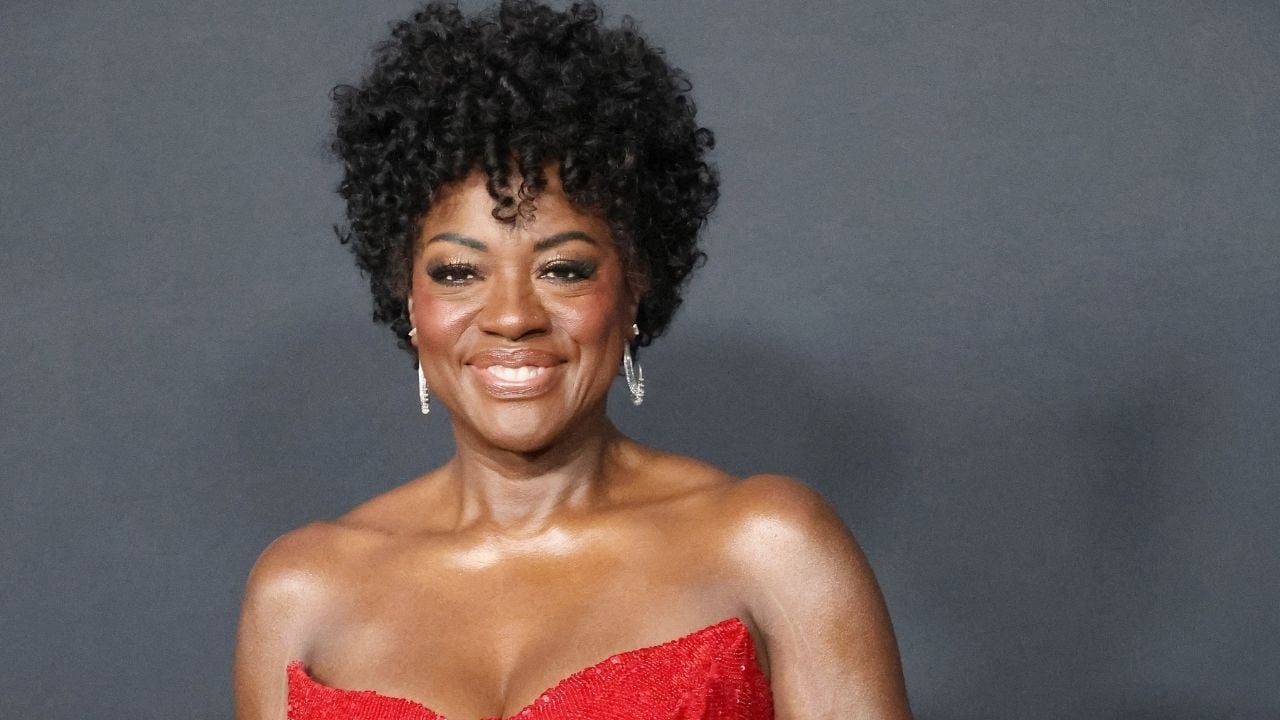
Viola Davis is rejecting Target’s apology after the retailer pulled a children’s Halloween costume that drew criticism for imagery compared to racist blackface and minstrel-show caricatures.
The product was sold as the “Kids’ Glows Under Blacklight Circus Clown Halloween Costume.” Target removed it from sale on Aug. 24 and acknowledged that the costume was offensive and should never have been included in its assortment.
Entertainment Weekly’s syndicated report documented the side-by-side comparison she shared between the costume and historical minstrel imagery.
The Oscar-winning actress ended her message with one of its strongest lines: “We MATTER!!” She then told Target, “You have shown us that you are not on OUR side.”
‘You Have Shown Us That You Are Not on OUR Side’
View this post on Instagram
Davis addressed Target directly rather than treating the retailer’s statement as the end of the controversy. “Target, I do not accept your apology,” she wrote, arguing that the company did not understand the impact, pain and dehumanization she associated with the images. She accompanied her criticism with a side-by-side comparison of the Target costume and historical minstrel imagery.
Davis connected the visual similarities she saw to a much longer history of degrading representations of Black Americans. Davis argued that such representations helped create an ideology through which Black people were dehumanized, before concluding that Black Americans “MATTER.”
Target Said ‘We Got This Wrong’ and Pulled the Costume
View this post on Instagram
Target had already removed the costume by the time Davis posted her response. In its Aug. 24 statement, the retailer acknowledged responsibility rather than defending the product.
“As a company, we know we got this wrong,” Target said. The company called the costume offensive, said it should never have been part of its assortment and apologized specifically for the hurt caused to Black customers, employees and business partners.
Target described removing the product as an initial step and said it was examining both how the costume entered its assortment and what changes were needed to prevent a similar situation. Reuters reported that Target declined to answer questions about who designed the product or how it was approved.
Critics Compared the Costume to Minstrel-Show Imagery
The now-removed listing showed a young Black boy modeling an orange-and-black patterned bodysuit. The costume also included dark gloves and a hood with an exaggerated smile and a miniature top hat.
Davis and other critics compared those elements to racist caricatures associated with blackface minstrelsy. The National Museum of African American History and Culture explains that minstrel shows developed in the 19th century around white performers darkening their faces and using exaggerated costumes, speech and behavior to portray Black people through demeaning stereotypes.
The museum traces one of the tradition’s most influential characters, “Jim Crow,” to entertainer Thomas D. Rice around 1830. The stereotypes spread well beyond live stage performances and later appeared across sheet music, film, radio, television and other forms of American popular culture.
The Backlash Revived Scrutiny of Target’s DEI Changes
The costume controversy also arrived after Target scaled back several diversity, equity and inclusion initiatives in 2025. Some Black customers and community figures connected the two developments, arguing that a company with fewer internal diversity safeguards could be more likely to miss culturally offensive products during review.
Reuters reported that Minneapolis business leader Sheletta Brundidge was among those who explicitly raised that question after the costume appeared. Target itself has not said its earlier DEI decisions played any role in the product’s approval.