
Celebrity popularity rarely collapses overnight. It erodes. One headline at a time. One interview. One lawsuit. One quote that lands wrong.
That slow burn is playing out in real time on Ranker, where millions of users vote daily on the most disliked celebrities in America. The list shifts. The names don’t change much.
Some figures stay pinned near the top for months. Others climb fast after a public moment goes sideways. In 2025, five names keep resurfacing, driven by controversy, fatigue, and broken trust.
Here’s why these celebrities remain stuck at the top of the dislike rankings.
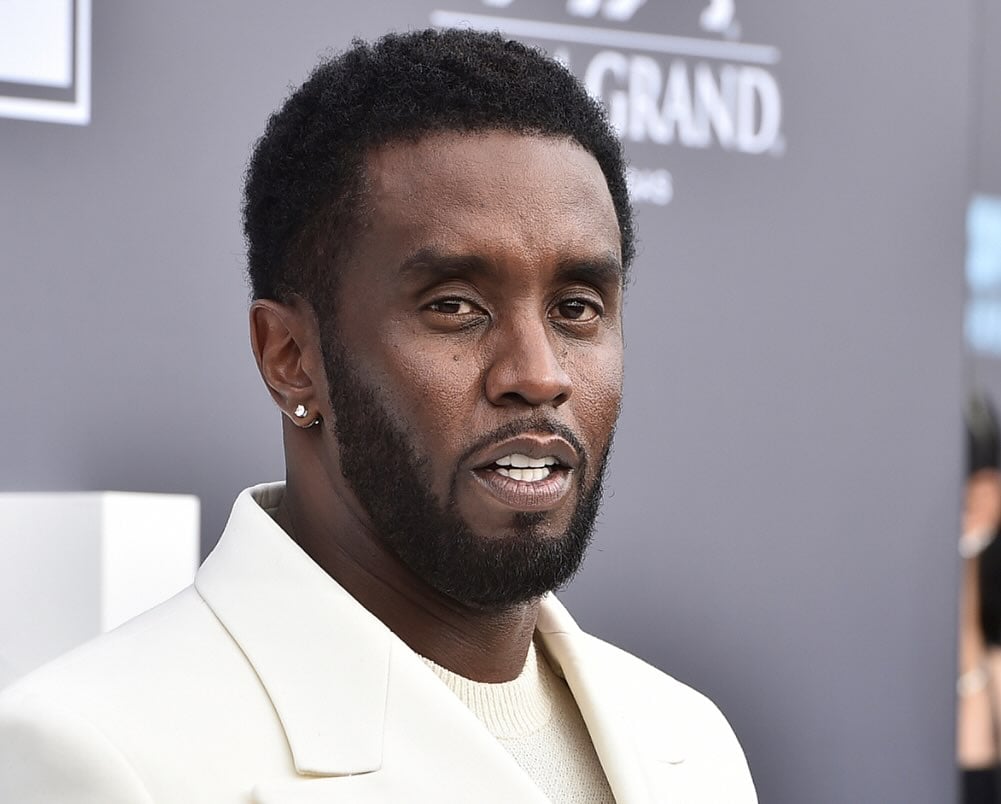
1. Sean “Diddy” Combs
Sean Combs sits at number one for a reason.
Over the last few years, his public image has unraveled under the weight of serious allegations, lawsuits, and federal investigations. Multiple accusers have come forward with claims involving abuse, coercion, and misconduct. Homes were raided. Court filings went public. Headlines stayed relentless.
For many Americans, the issue isn’t just the allegations. It’s the contrast.
Diddy spent decades branding himself as a mogul, mentor, and culture builder. The accusations clash hard with that image. Each new development reinforces public distrust, even as cases work their way through the legal system.
Ranker voters react in real time. Every update pushes him back to the top.
Until the legal clouds clear, public opinion remains locked in place.
2. Meghan Markle
Meghan Markle consistently ranks as the second most disliked celebrity on Ranker.
The reason isn’t a single scandal. It’s saturation.
Since stepping back from royal duties, Meghan’s story has stayed in the spotlight through interviews, documentaries, podcasts, and books tied closely to her narrative. For some, that openness felt necessary. For others, it felt repetitive.
Public frustration grew as timelines blurred and details shifted. Critics question credibility. Supporters defend her right to speak. The debate never cools.
In 2025, the backlash is less about anger and more about exhaustion.
People feel talked at, not talked to. That sentiment shows up clearly in ongoing Ranker votes.

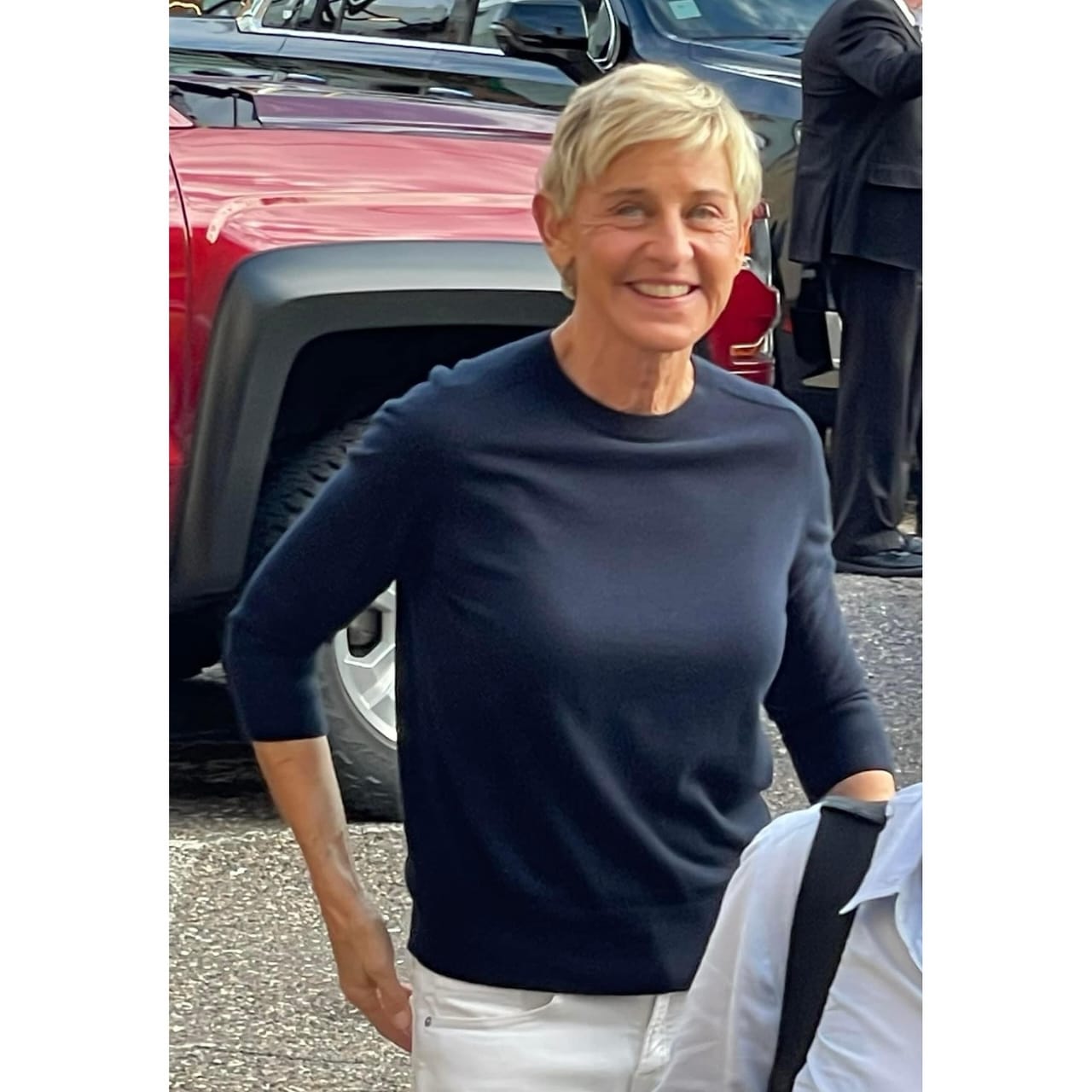
3. Ellen DeGeneres
Ellen DeGeneres didn’t fall quietly.
Once seen as daytime TV’s kindest presence, her image changed after workplace allegations surfaced from former staff. Stories described a toxic environment behind the scenes of a show built on kindness.
Ellen apologized. The show ended. The damage lingered.
Since then, attempts at reinvention haven’t fully landed. Audiences remember the contrast between brand and behavior. That disconnect sticks.
Ranker voters tend to punish hypocrisy harder than mistakes.
Ellen remains near the top because trust, once cracked, rarely resets.
4. Jada Pinkett Smith
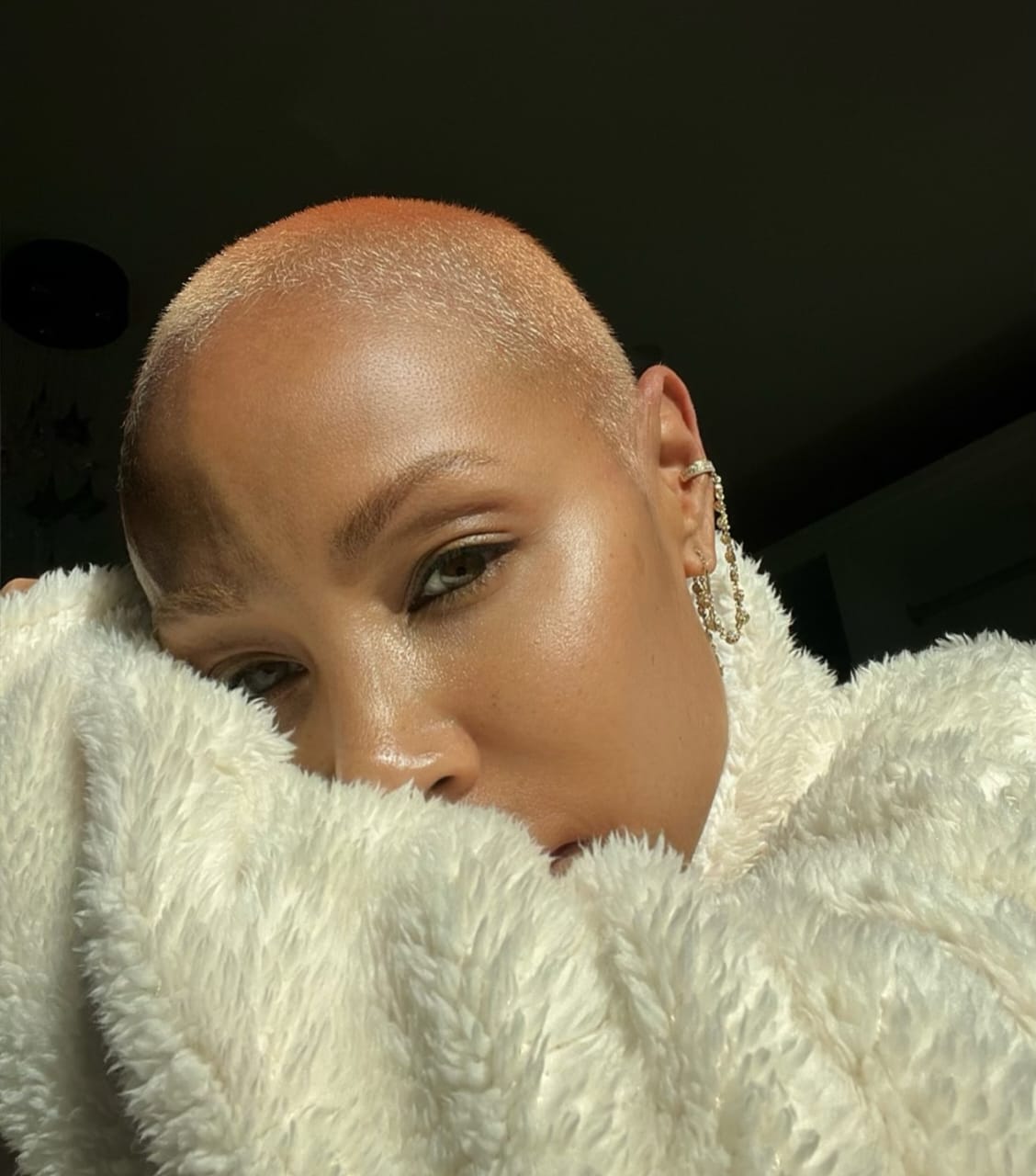
Jada Pinkett Smith’s ranking is tied directly to overexposure.
Her candid discussions about marriage, personal struggles, and family dynamics drew praise at first. Over time, they sparked discomfort.
Many viewers felt private matters became public spectacle, especially involving Will Smith. Each revelation fueled new debates about boundaries, respect, and timing.
The Oscar incident intensified scrutiny. After that, every interview felt loaded.
In 2025, audiences seem less interested in explanations and more interested in silence.
Ranker reflects that fatigue clearly.
5. Oprah Winfrey
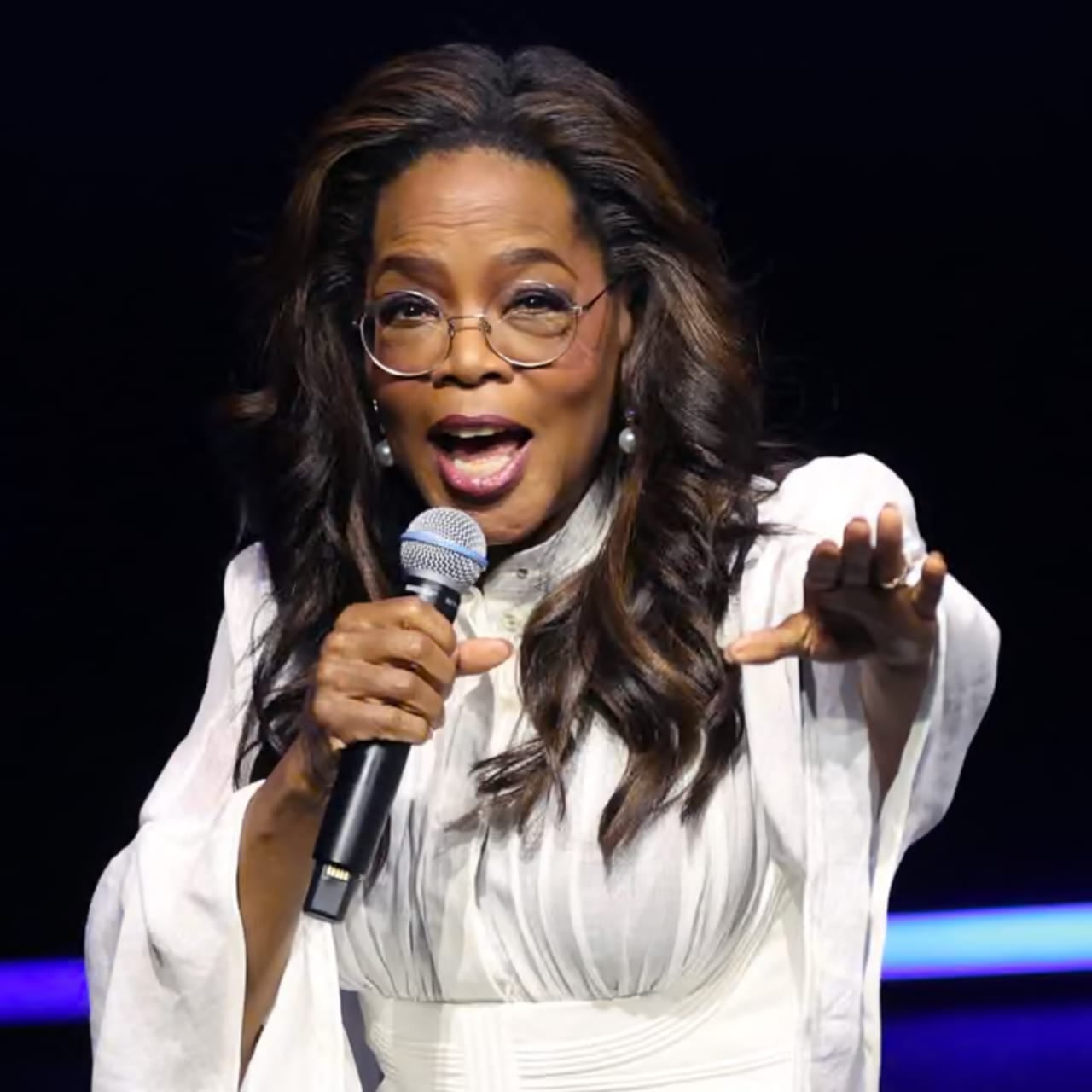
Oprah’s presence on this list surprises people.
It shouldn’t.
Her credibility took hits after high-profile interviews that some viewers felt lacked pushback. Critics argue she protected narratives instead of challenging them.
For a figure built on trust, even small cracks matter.
Oprah remains respected. She also faces sharper skepticism than before. In a media climate that demands accountability, neutrality feels like a stance.
Ranker voters respond fast to perceived missteps.
Even icons aren’t immune.
Why These Names Keep Returning
These celebrities share one problem.
Public trust broke.
Exposure stayed high.
Accountability felt incomplete.
Ranker doesn’t forget. Votes refresh constantly. Reputations don’t.
People aren’t asking for perfection. They want honesty. Growth. Restraint.
Which of these rankings feels fair to you?
Which one feels off?
Who do you think climbs next?
Drop a comment below.