
Music often carries more than just melodies and beats; it holds secrets, stories, and legends. Behind some of the world’s most famous songs are fascinating tales that continue to captivate audiences.
From quirky coincidences to deeply personal reflections, here’s a deep dive into ten of the wildest stories behind iconic songs that shook the music world.
“You’re So Vain” – Carly Simon

Carly Simon’s 1972 hit You’re So Vain quickly became a cultural touchstone, largely because of the mysterious man Simon sings about. For years, listeners speculated whether the song was about her ex-husband, James Taylor, or perhaps Mick Jagger or Cat Stevens.
In 2015, Simon revealed that the song was about actor Warren Beatty, although she also clarified that only the second verse was dedicated to him. The rest of the song remains a mystery, keeping the speculation alive for decades.
“Ticket To Ride” – The Beatles
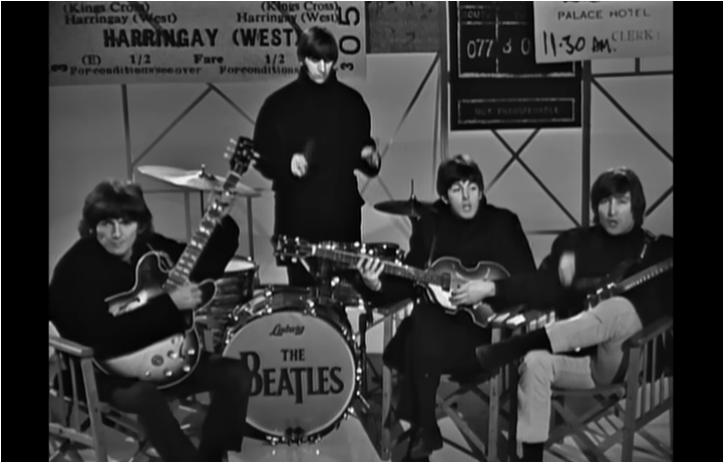
He revealed to a journalist that the phrase “Ticket to Ride” referred to a type of health certificate given to prostitutes in Hamburg during the band’s early years. These “tickets” were proof that the women were clean, hence the name “Ticket to Ride.” Whether Lennon was pulling the press’s leg or telling a true tale, this dual narrative adds an intriguing layer to the song’s legacy.
“In-A-Gadda-Da-Vida” – Iron Butterfly
Perhaps one of the most famous songs of the late 1960s, “In-A-Gadda-Da-Vida” by Iron Butterfly, has a rather bizarre story behind its creation. In 1968, the band was struggling, both creatively and financially, when their lead vocalist, Doug Ingle, had a moment of drunken inspiration.
After a two-day wine binge, Ingle slurred the words “In the Garden of Eden” into what would become the song’s title: In-A-Gadda-Da-Vida. A moment of garbled speech turned into one of rock’s most enduring anthems, a true testament to the unpredictable nature of musical creativity.
“Louie Louie” – The Kingsmen
Louie Louie became an iconic anthem after the Kingsmen’s version hit the airwaves in 1963. However, the song’s rise to fame was accompanied by widespread controversy. Lead vocalist Jack Ely’s slurred, indecipherable singing sparked rumors that the song contained obscene lyrics.
Parents across the United States panicked, and the FBI even launched an investigation to determine if the song was actually promoting lewd content. The investigation concluded there was no evidence of obscenity, but the scandal only added to the song’s mystique and cemented it as a classic.
“Rumble” – Link Wray
Released in 1958, Rumble by Link Wray is a prime example of how music can stir controversy and change the game. With its raw, distorted electric guitar riff, the song was groundbreaking in its time. However, it became infamous due to its instrumental nature.
The lack of lyrics prompted fears among parents that the song was linked to violence and delinquency. In fact, it was banned in several major cities, including New York and Boston, making it the only instrumental track to face such censorship. This unintentional rebellion only solidified Rumble as a classic in rock ‘n roll history.
“Never Learn Not To Love” – The Beach Boys
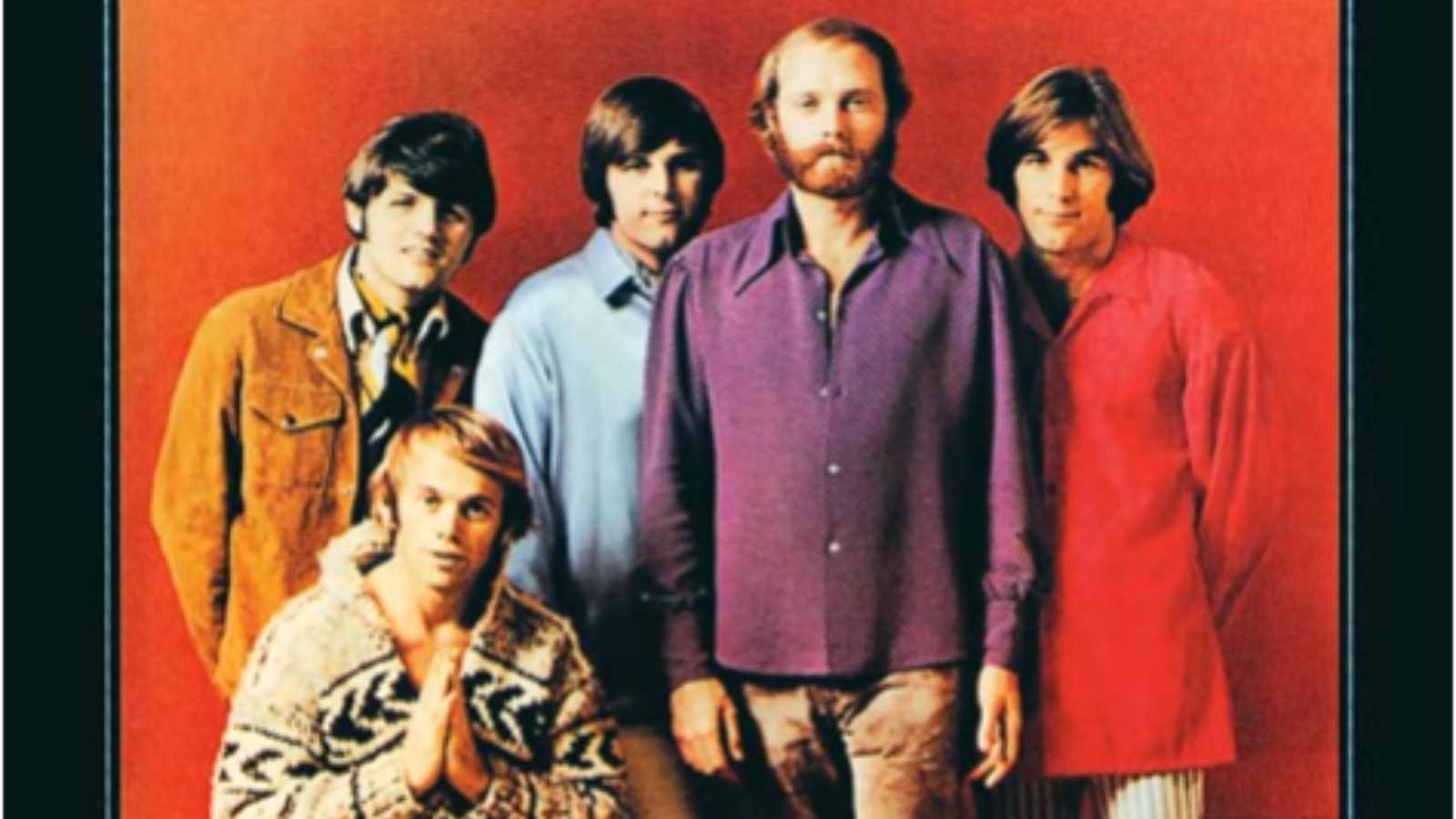
The Beach Boys’ song “Never Learn Not to Love” has an unsettling, unexpected origin story. Initially written by Charles Manson, this track was part of a bizarre collaboration between the infamous cult leader and Dennis Wilson, the drummer of the Beach Boys.
After a brief friendship, Manson showed Wilson his song Cease to Exist, which Wilson liked. However, when the Beach Boys altered the song, Manson’s anger sparked a violent confrontation, ending the collaboration. The Beach Boys eventually recorded the song, albeit with some alterations. It stands as a stark reminder of the chaotic intersection of music and dark history.
“Smoke on the Water” – Deep Purple
Smoke on the Water, one of Deep Purple’s most famous tracks, has an explosive origin. On December 4, 1971, while in Montreux, Switzerland, the band was recording at a casino when a flare gun was discharged into the casino’s wooden roof, causing a massive fire.
As the casino burned, the band watched from a nearby restaurant, and the smoke from the fire wafted over Lake Geneva. This eerie scene inspired the unforgettable riff of the song, giving rise to one of the most iconic rock tracks.
“Chelsea Hotel No. 2” – Leonard Cohen
In Chelsea Hotel No. 2, Leonard Cohen immortalized a fleeting, intimate encounter with legendary singer Janis Joplin. The song’s origins trace back to a chance meeting at the Chelsea Hotel in Manhattan, a popular haunt for musicians and artists in the 1960s and 1970s.
After a brief fling, Cohen penned the song, which details the encounter in vivid detail. He later expressed regret for writing it, calling it “the sole indiscretion” of his professional career. Despite Cohen’s ambivalence, Chelsea Hotel No. 2 remains a poignant reflection of the fleeting and often tumultuous relationships in the music world.
“Barracuda” – Heart

Released in 1977, Heart’s “Barracuda” is a fierce anthem of defiance against the exploitation the band faced, especially from its record label. The song was inspired by a false rumor spread by Mushroom Records, which fabricated an incestuous relationship between the Wilson sisters, the band’s frontwomen.
The band was furious when they learned of the publicity stunt, and Ann Wilson channeled that anger into writing “Barracuda.” With its searing guitar riff and defiant lyrics, the song became a rallying cry for artists everywhere facing similar struggles in the industry.
“Puff, the Magic Dragon” – Peter, Paul, and Mary
One of the most misunderstood songs of the 1960s is Puff, the Magic Dragon by Peter, Paul, and Mary. The charming tale of a young boy and his mythical dragon companion was often mistaken for a metaphor about drugs.
Despite widespread rumors that the song was a veiled reference to marijuana, both the songwriters and performers have consistently denied this interpretation. Instead, they emphasize that the song is simply a sweet, innocent children’s story, highlighting the power of imagination and childhood wonder.
Conclusion
These iconic songs demonstrate that the world of music is filled with unexpected, often wild stories behind the tunes we know and love. Whether fueled by chance, controversy, or personal experience, each track carries with it a fascinating tale that enhances its place in music history.