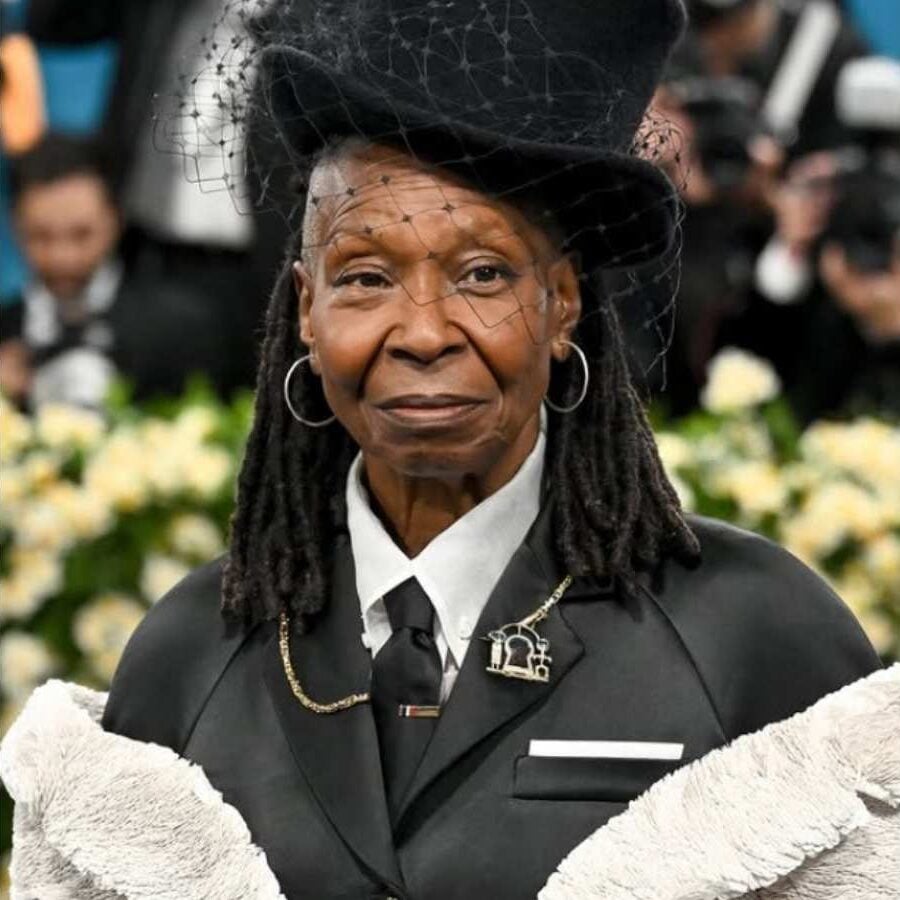
Whoopi Goldberg didn’t hold back this week when she criticized President Donald Trump for sharing a controversial AI‑generated video that drew widespread accusations of racism. The Lion King voice actor, best known for playing the hyena Shenzi in the 1994 Disney classic, called out the video on The View, saying it showed a clear misunderstanding of both the original film and basic facts.
Her comments came amid backlash that the video, which depicted former President Barack Obama and former First Lady Michelle Obama as apes, leaned on offensive imagery and stereotypes. she als that Trump and his team should have checked what they were posting before sharing it.
Goldberg’s reaction didn’t just focus on the substance of the video. She zeroed in on its claim to be connected to The Lion King, noting that there are no apes in the original movie and emphasizing the importance of accuracy when referencing beloved cultural works.
Whoopi Goldberg reacts to Pres. Trump posting a racist video about former Pres. Barack Obama and former first lady Michelle Obama. pic.twitter.com/gS7LxIva3P
— The View (@TheView) February 9, 2026
“I would like y’all at least once, once in your administration, to check your facts, check your stuff,” she said emphatically, making it clear she was speaking both as an entertainer and as someone who cares about how art and representation get used in public discourse.
What the AI Video Showed and Why It Sparked Outrage
The video that sparked Goldberg’s comments was initially posted on Trump’s Truth Social account and later deleted after a wave of criticism. It blended AI‑generated imagery with The Tokens’ song “The Lion Sleeps Tonight,” depicting Obama and the former First Lady as primates alongside other altered footage.
The White House press secretary later claimed the clip was an internet meme intended to portray Trump as “King of the Jungle,” but critics across the political spectrum rejected that explanation as insufficient. Many observers saw the imagery as a harmful echo of racist stereotypes, particularly coming during Black History Month, when sensitivity to such portrayals is heightened.
Several Republican leaders even publicly denounced the video as unacceptable, urging Trump to apologize, while Democratic officials and commentators called it “disgusting” and degrading.
Why Goldberg’s Words Carried Weight
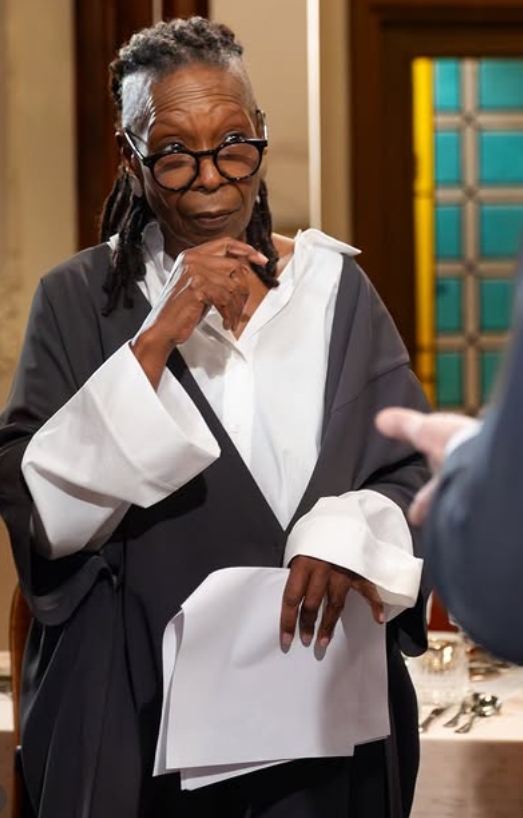
Few people in Hollywood have as direct a connection to The Lion King as Whoopi Goldberg. She lent her voice to Shenzi, one of the memorable hyenas in the original film, a classic that has endured across generations without any of the primate depictions seen in the controversial AI clip.
Her comment that “there are no apes in The Lion King” served not just as a factual correction, but as a reminder that cultural references matter, especially when they’re being used in politically charged contexts. Goldberg also pointed out, somewhat humorously, that her own character was not a hippo, another element misrepresented in the AI clip, and noted that hippos, in real life, are actually considered more dangerous than lions.
Her remarks blended seriousness with a touch of levity, but the underlying message was firm. People sharing such content have a responsibility to know what they’re referencing.
The Backlash Was Immediate and Bipartisan
Goldberg was far from the only figure to react strongly. House Minority Leader Hakeem Jeffries called the video “vile, racist and malignant behavior,” while urging political leaders to denounce it. Others in political and media circles condemned the clip as racist and dangerous, arguing that it degraded the office of the presidency and fueled division.
Even within Trump’s own party, officials were reported to have advised against legitimate outrage, with some defending the post as a meme rather than an official statement. But that defense only added to the broader debate about the use of AI, political messaging, and the limits of satire, especially when the imagery invoked painful historical associations.
Actor, Commentator, and Straight Talker

Whoopi Goldberg isn’t just a voice actor and film star; she’s also a longtime co‑host of The View, a daytime talk show where political and cultural issues are regularly debated in real time. Known for her quick wit, sharp observations, and willingness to speak her mind, Goldberg has sparred with public figures of all stripes over the years, including Trump himself.
Her commentary on The View mixes entertainment background with political awareness, and on this issue, she wasn’t alone. Co‑host Sunny Hostin also weighed in, suggesting that Trump’s repeated focus on the Obamas reflects deeper insecurities about legacy and popularity. That layered reaction turned what could have been a simple entertainment story into a broader conversation about representation, respect, and political communication.
Why This Matters in 2026
The debate over this AI video comes at a time when artificial intelligence is increasingly used and misused in political and cultural messaging. As AI tools make it easier to produce realistic imagery, concerns about misinformation, offensive portrayals, and deepfakes have grown louder.
When political figures share such content, critics argue, it amplifies potential harms and erodes trust. Goldberg’s pointed call for fact‑checking reflects a larger cultural moment in which audiences, creators, and commentators are wrestling with how technology intersects with politics and social responsibility.
A beloved film like The Lion King, first released in 1994 and celebrated worldwide, suddenly became part of a national conversation about race, respect, and political messaging, all because of a short video clip that many viewed as inappropriate and inaccurate.
As the fallout from the video continues, questions remain about accountability and where the line should be drawn when it comes to political humor, satire, and AI‑generated media. Some lawmakers, commentators, and citizens have asked for clearer guidelines around the use of such content in official or semi‑official political channels.
Goldberg’s call for accuracy, “at least once, check your facts,” reflects not just her own concern, but a broader push for thoughtful discourse around powerful new technologies. Will this controversy lead to policy changes, stronger social media oversight, or simply heated discussions in living rooms and comment sections across the country?
One thing is clear: this moment has sparked debate not just about one video, but about how society navigates truth, creativity, and respect in the age of AI.