When beloved novels are adapted for the big screen, fans often find themselves holding their breath, hoping the magic of the book will translate seamlessly onto the screen. Unfortunately, many adaptations fall short, leaving fans with a bitter taste of disappointment. From butchered plots to poorly executed character arcs, these films failed to live up to the expectations set by their literary predecessors.
Here, we explore the top 10 movie adaptations that did not just miss the mark but ruined everything for fans who had long been devoted to the original works.
The Dark Tower

Stephen King’s The Dark Tower series is considered his magnum opus, a sprawling eight-book epic that blends genres like western, fantasy, sci-fi, and horror. The film adaptation, released in 2017, was met with disappointment from fans who had long followed Roland the Gunslinger’s journey. The decision to condense thousands of pages of lore into a 95-minute film was a major mistake. The result was a rushed, confusing narrative that glossed over essential characters and left out critical world-building.
The film attempted to serve as both a sequel and a standalone introduction to the series, but this dual purpose left it feeling unfocused. The deep, mystical bond between Roland and his world was barely touched upon, and the film’s portrayal of the multiverse concept was lackluster at best. For fans of King’s intricate universe, the movie was a mere shadow of what could have been an epic franchise.
The Hobbit Trilogy
J.R.R. Tolkien’s The Hobbit is a charming children’s story, acting as a prelude to the much darker The Lord of the Rings. However, when Peter Jackson decided to stretch this relatively short novel into three films, it was clear that the focus had shifted from adventure to box-office revenue. The addition of unnecessary subplots, including a fabricated love triangle, and the overreliance on CGI were a major letdown for fans. The Hobbit was no longer the delightful journey it once was, but rather a bloated spectacle with little emotional depth.
Instead of following Bilbo’s quiet, clever path through Middle-earth, the films turned his journey into an action-packed, war-driven epic. The heart of Tolkien’s story was lost in the noise, leaving fans with a product that felt detached from the magic of the original tale. The excessive use of CGI also created a disjointed world that lacked the organic, immersive quality of The Lord of the Rings. For many fans, The Hobbit trilogy wasn’t just a missed opportunity; it was an outright betrayal of Tolkien’s vision.
The Golden Compass
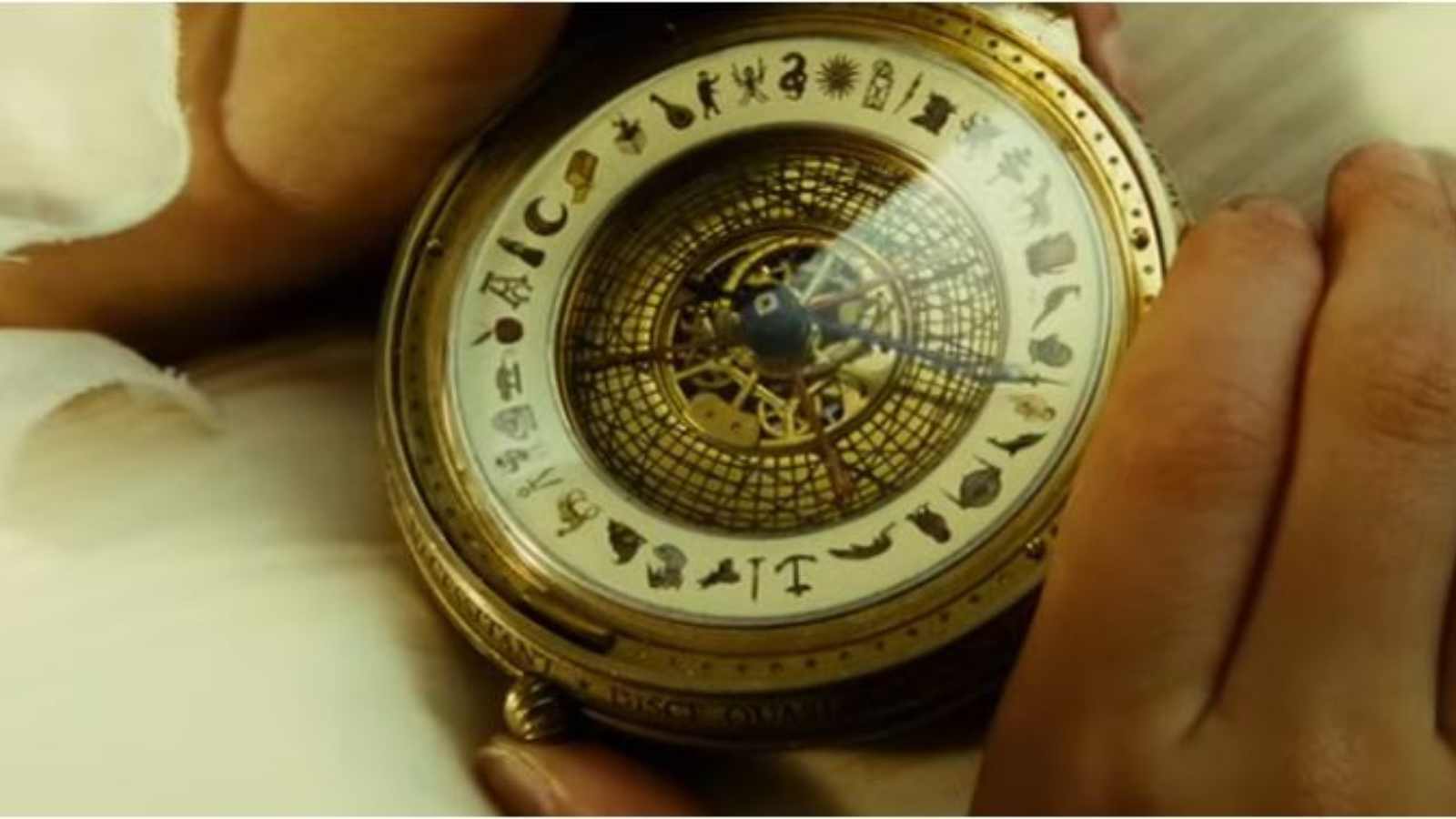
Philip Pullman’s His Dark Materials trilogy is a rich, philosophical exploration of religion, science, and the nature of free will. The 2007 film adaptation of The Golden Compass watered down the source material to avoid controversy, particularly over its critiques of religious institutions. The film’s producers, in a bid to avoid backlash from religious groups, softened the story’s message, making it feel like a generic fantasy film instead of the thought-provoking narrative Pullman had written.
The most egregious misstep was the film’s ending. In the novel, the first book ends on a shocking, tragic note that sets up the stakes for the rest of the series. However, the movie’s ending was far more conventional, taking away the emotional punch of the original conclusion. The film’s decision to “Disney-fy” the story resulted in a hollow adaptation that failed to capture the intellectual weight of the books. While the visual effects were impressive, they couldn’t make up for the lack of a coherent or challenging plot.
Ella Enchanted
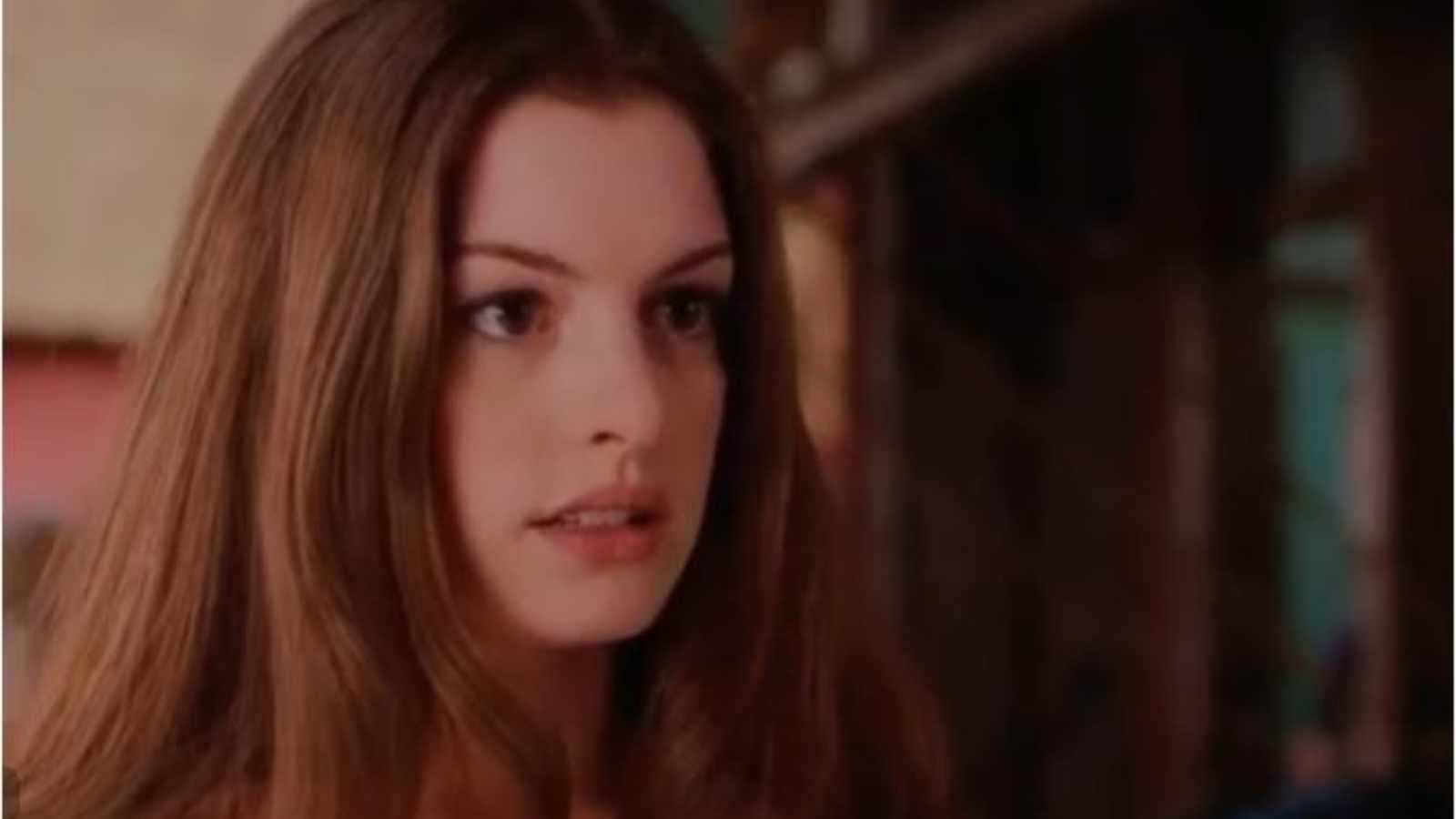
Gail Carson Levine’s Ella Enchanted is a captivating retelling of the Cinderella fairy tale, with a dark twist. The book’s portrayal of Ella’s curse as a serious burden and her struggle for autonomy resonates deeply with readers. However, the 2004 film adaptation took a much lighter, more comedic approach. The movie’s decision to turn the story into a slapstick musical, filled with pop culture references and anachronistic humor, drastically changed the tone of the original.
The central conflict in the book, Ella’s struggle with obedience, was turned into a comedic device, reducing its emotional impact. The film’s focus on spectacle over substance alienated fans who appreciated the book’s more somber, character-driven narrative. While Anne Hathaway’s performance was charming, the film failed to capture the emotional depth and maturity that made the book so beloved.
My Sister’s Keeper
Jodi Picoult’s My Sister’s Keeper is a heartbreaking exploration of family dynamics and the ethics of medical decisions. The novel’s devastating twist ending, which forces readers to confront tough moral questions, was a major talking point. However, the 2009 film adaptation reversed this ending, opting for a more conventional, Hollywood-friendly conclusion. This change drastically altered the story’s meaning and undermined the ethical dilemmas at the heart of the book.
By altering the ending, the filmmakers stripped the story of its raw, unpredictable nature, turning it into a safer, more emotionally palatable drama. Fans of the book, including the author herself, were outraged by this decision. The film’s deviation from the original ending felt like a betrayal of Picoult’s vision, transforming a complex moral tale into a standard melodrama.
Eragon
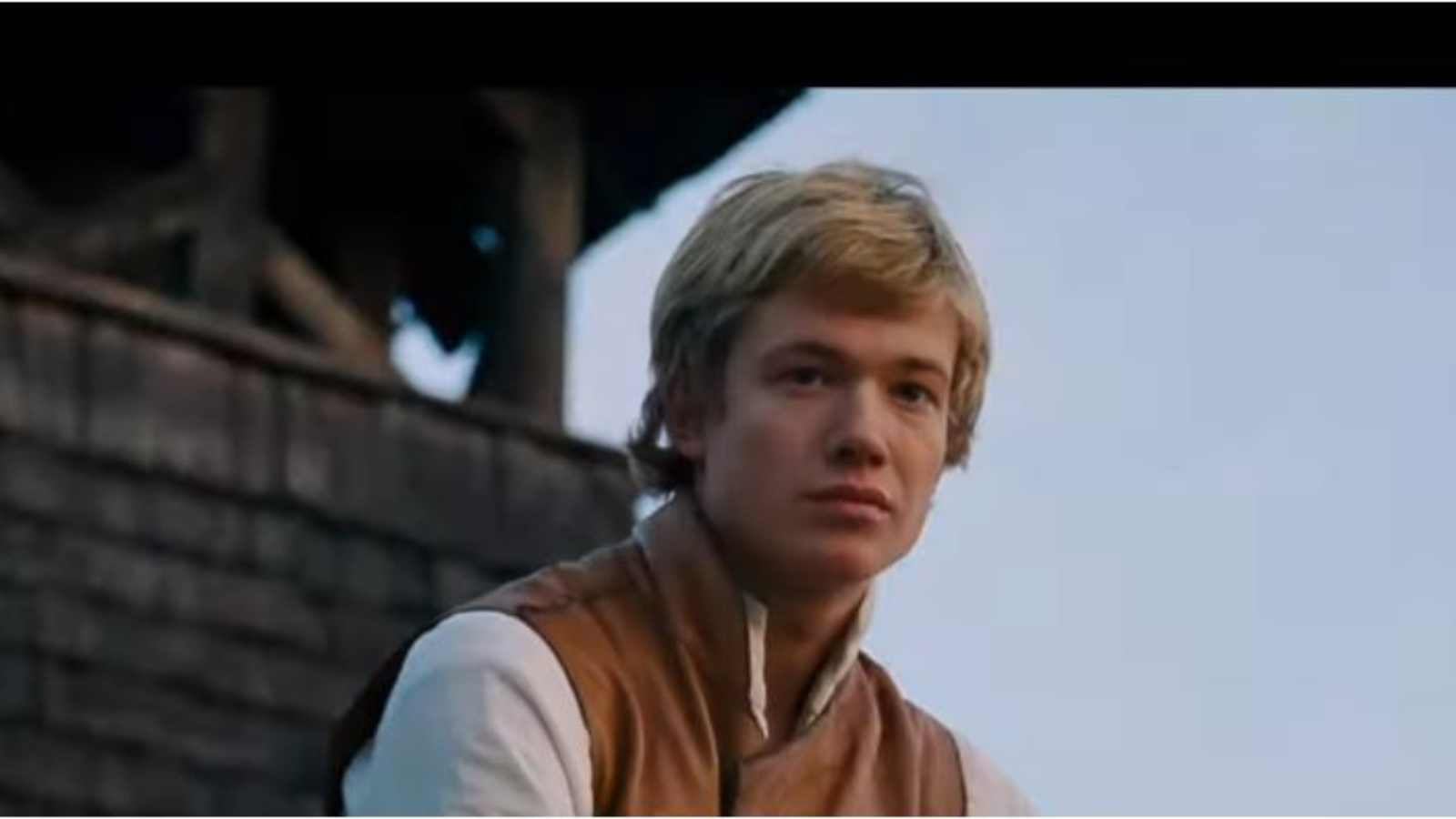
In addition, key plot points were skipped over, making it impossible for the story to continue in future films. The film’s poor reception turned Eragon from a potential franchise into a cautionary tale about what happens when a beloved book is poorly adapted. Paolini’s world deserved a grand, epic treatment, but instead, it was reduced to a forgettable action film that failed to capture the magic of the original.
The Cat in the Hat
Dr. Seuss’s The Cat in the Hat is a beloved classic, known for its whimsy and simple, playful rhymes. The 2003 live-action adaptation, starring Mike Myers, was a complete disaster. The film took the book’s innocent spirit and turned it into a bizarre, dark, and unsettling mess. The Cat, originally a mischievous yet charming character, became a disturbing figure whose antics were more creepy than funny.
The film’s adult humor and strange, sometimes inappropriate, tone completely missed the mark for children. Fans of the book were horrified by the film’s deviation from the source material, leaving many young viewers traumatized. The 2003 Cat in the Hat adaptation stands as a prime example of how not to adapt a beloved children’s book for the screen.
Percy Jackson & the Olympians
Rick Riordan’s Percy Jackson & the Olympians series is a fast-paced, witty adventure that brings Greek mythology into the modern world. However, the 2010 film adaptation of The Lightning Thief failed to capture the charm and humor of the books. Fans were frustrated by the film’s decision to age up the characters, making Percy and his friends look much older than they were in the books. This change disrupted the series’ tone and made it harder to connect with the characters.
Moreover, the film’s plot was a hodgepodge of key events from the book, with many important moments either altered or completely omitted. The movie lacked the emotional depth and wit that made Riordan’s writing so engaging. For fans of the books, the Percy Jackson film was a disappointing attempt to bring the story to life, failing to honor the spirit of the original work.
The Dark Knight Returns
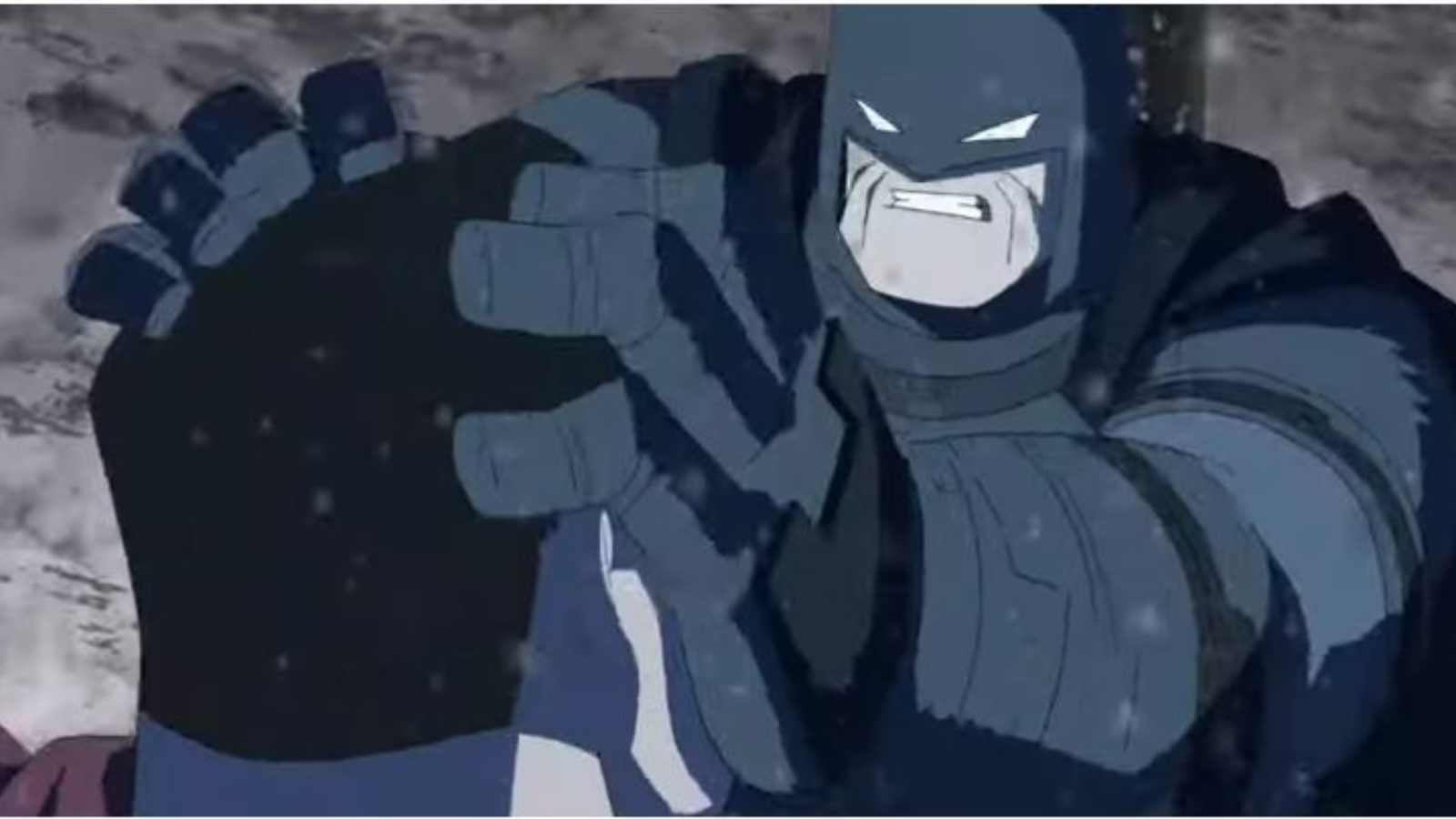
Frank Miller’s The Dark Knight Returns is one of the most iconic graphic novels in the Batman mythos. When the animated adaptation was released, many fans hoped for a faithful representation of Miller’s dark, gritty world. However, the adaptation failed to capture the raw intensity of the original material.
Key moments were watered down, and the film’s pacing felt sluggish, leaving fans with a watered-down version of a classic. While the film was still visually impressive, it failed to capture the true essence of Miller’s masterpiece.
World War Z
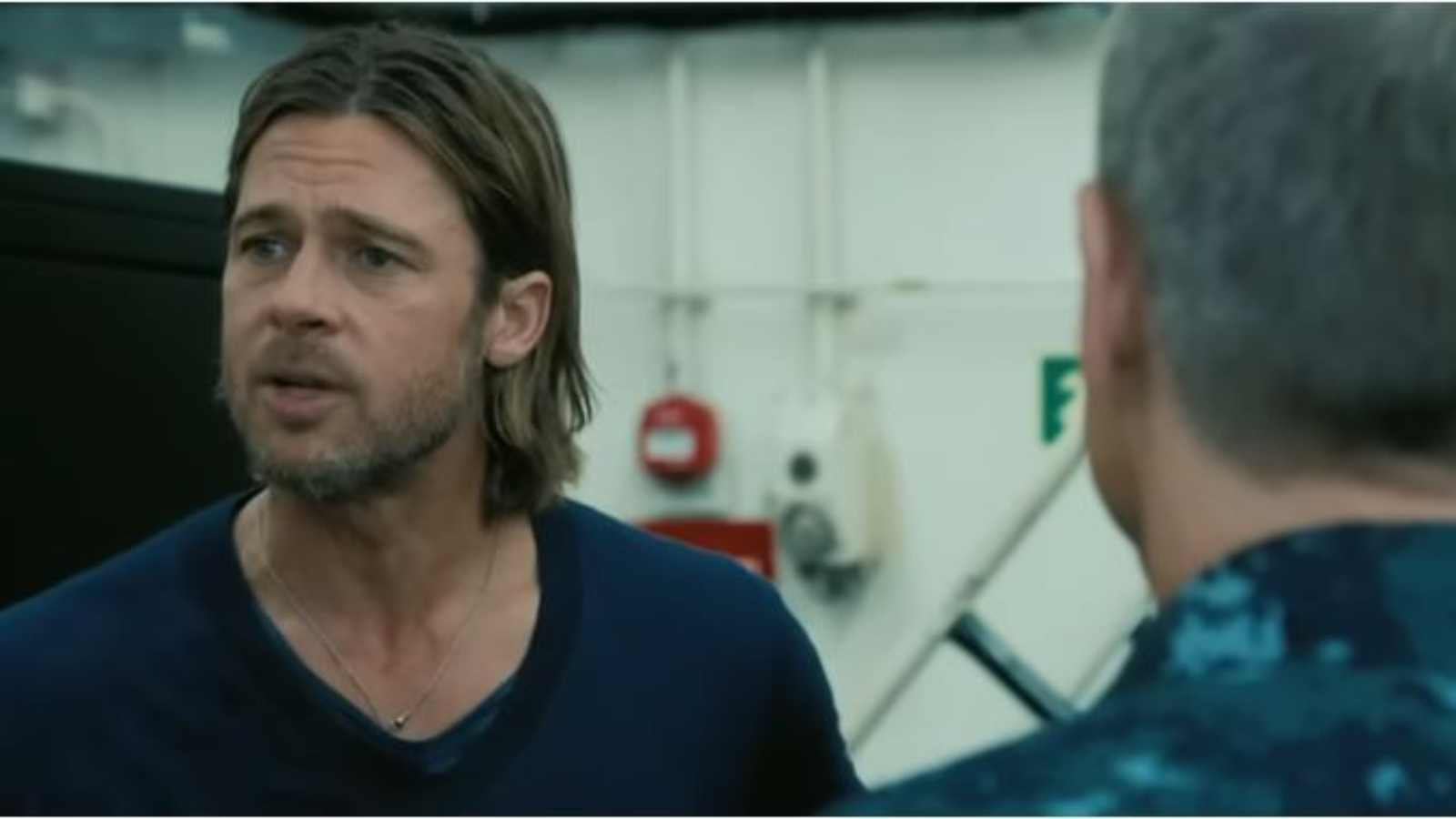
Max Brooks’ World War Z is a brilliant oral history of a global zombie pandemic. The novel’s unique structure and sociopolitical commentary were key aspects that made it a standout in the genre. Unfortunately, the 2013 movie adaptation, starring Brad Pitt, veered far from the source material. What was once an ensemble of global perspectives became a singular, action-oriented narrative. The slow-moving, terrifying zombies from the book were replaced with hyper-fast, CGI-infused swarms, turning them from the embodiment of dread into mere action fodder.
Moreover, the movie completely overlooked the novel’s critical social and political messages, opting instead for a generic, high-octane action film. The film was, in essence, a name-only adaptation that bore little resemblance to the book’s tone or substance. For fans of the original, it was clear the studio had sacrificed substance for spectacle, resulting in a movie that failed to capture the essence of what made World War Z so unique.
Conclusion
Some books are simply too vast, too intricate, or too beloved to be successfully adapted into films. These adaptations stand as cautionary tales of how filmmakers can lose sight of a story’s essence in the pursuit of profit or spectacle. While there are a few success stories, the films listed here remind us that not every book is meant to be a movie, and sometimes, the soul of a story is lost in translation. For fans, the damage these adaptations cause will be remembered long after the credits roll.