
In Hollywood, actors don’t just take on roles; they live them. And sometimes, their passion for a character and its storyline leads them to make bold decisions that change the direction of entire films. Whether it’s altering a character’s motivations or refusing to participate in controversial plot twists, these actors have made their mark by challenging scripts.
Here are 12 actors who said “no” to movie storylines, and the shocking ways their decisions changed the films.
Christina Ricci and the Addams Family Twist
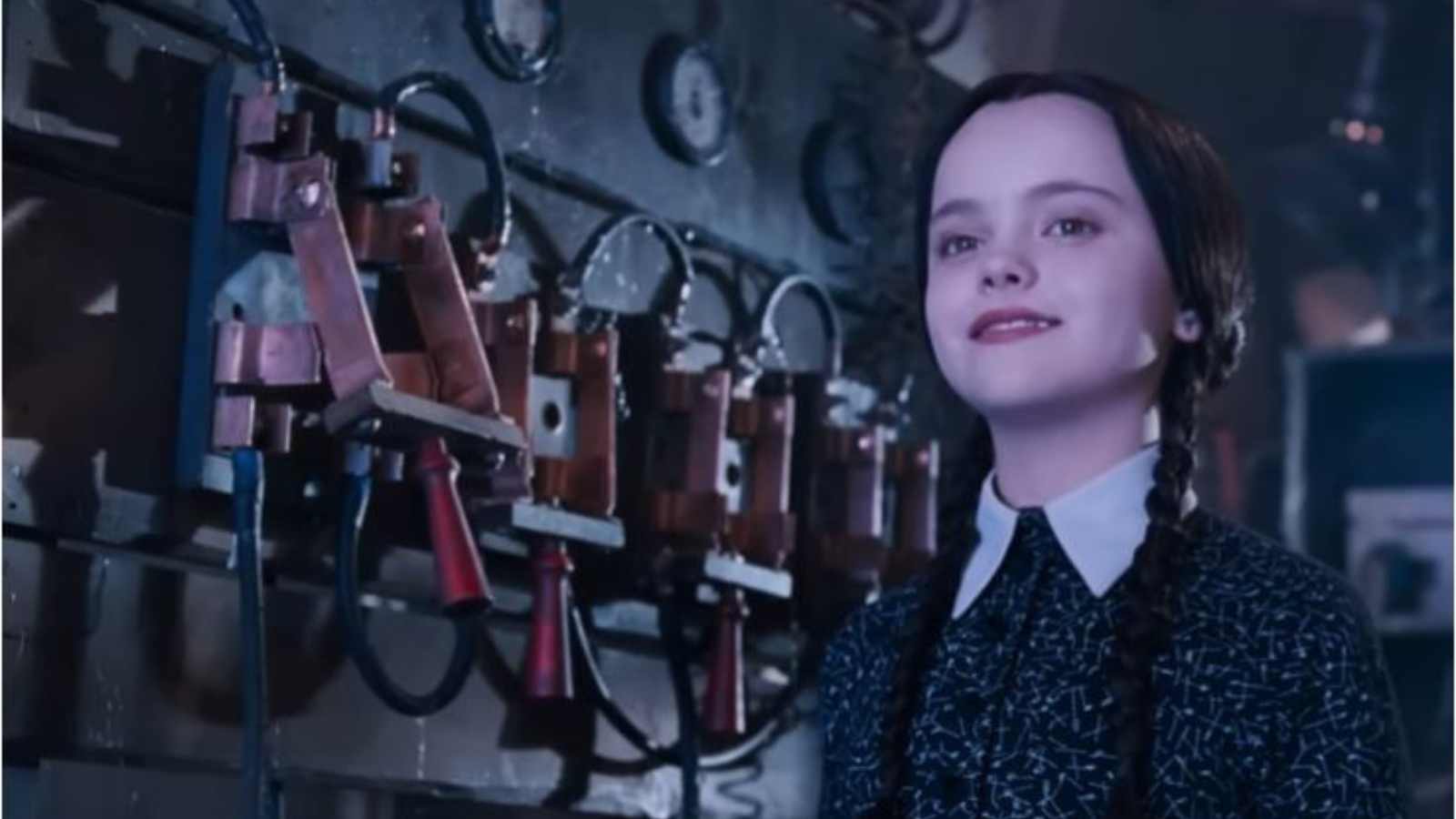
In the original The Addams Family script, Christopher Lloyd’s character, Uncle Fester, was meant to be revealed as a con artist. However, a young Christina Ricci, who played Wednesday, was deeply troubled by this twist. She convinced director Barry Sonnenfeld to change the ending, resulting in Fester becoming the real Uncle Fester, suffering from amnesia.
Ricci’s refusal to let her character’s family dynamic turn into a betrayal helped redefine the film’s tone, keeping it true to its quirky family values.
Anna Kendrick’s Refusal in Pitch Perfect 3
In Pitch Perfect 3, the character of Theo, a music executive, was originally supposed to become Beca’s romantic interest. However, Anna Kendrick thought this storyline would be problematic and refused to go along with it.
“I said no to that because I thought it would be kind of problematic,” Kendrick explained. Eventually, the storyline was changed so that Beca and Theo never had a romantic connection, preserving the film’s feminist undertones.
Michelle Rodriguez Stops the Fast and the Furious Love Triangle
Michelle Rodriguez, who portrayed Letty in The Fast and the Furious, drew a hard line when the script included a love triangle between her character, Brian (Paul Walker), and Dom (Vin Diesel). Rodriguez threatened to quit if the storyline wasn’t changed, arguing that it wasn’t true to her character’s loyalty to Dom.
The filmmakers listened, and Letty’s loyalty was retained, ensuring the franchise stayed true to its core relationships.
Meryl Streep Refines Kramer vs Kramer
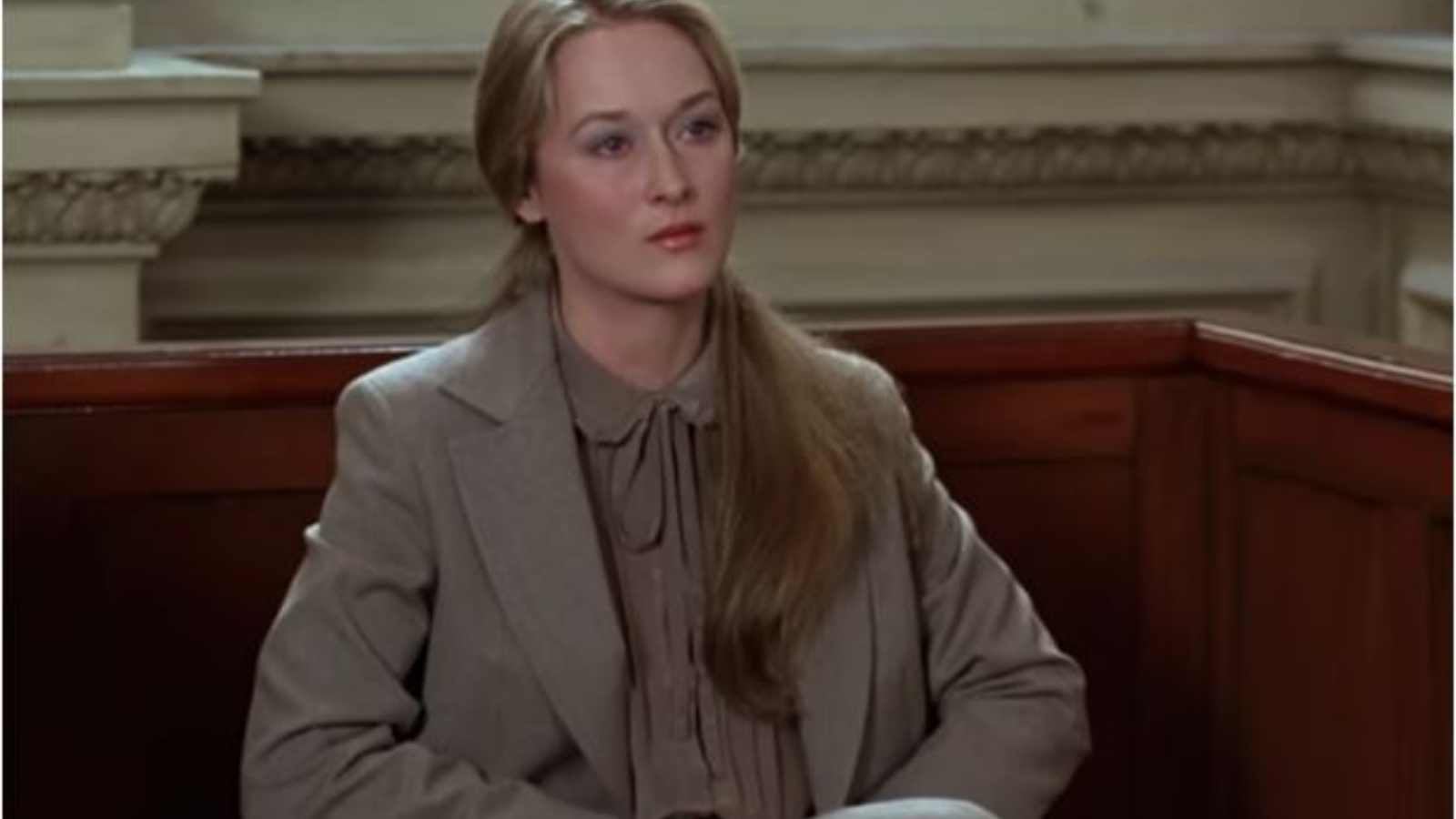
Meryl Streep, then an unknown actress, was offered the role of Joanna in Kramer vs. Kramer, a character who leaves her husband and child. Streep refused to take the role unless the character was rewritten to be more nuanced. She fought for a more sympathetic portrayal, where Joanna’s reasons for leaving were clearer, and even wrote her own iconic courtroom speech.
Her refusal to accept a one-dimensional role helped reshape the film’s portrayal of women’s struggles with motherhood and personal identity.
Leonard Nimoy and DeForest Kelly in Star Trek V
When Star Trek V: The Final Frontier presented a storyline in which Spock and McCoy would betray Captain Kirk, both Leonard Nimoy and DeForest Kelly pushed back. They believed their characters would never turn on Kirk, so the plot was altered.
The new version had Spock and McCoy standing by Kirk, ensuring the characters remained true to their loyalty.
Emma Watson Rejects This Is the End Scene
In This Is the End, Emma Watson was supposed to participate in a scene with Channing Tatum in a gimp costume. However, the direction the improvisation took made her uncomfortable, and she refused to be part of the scene.
Director Seth Rogen took responsibility for failing to communicate better and ultimately respected Emma’s decision. This incident highlighted the importance of clear boundaries on set.
Robin Williams and Sally Field Change Mrs. Doubtfire Ending
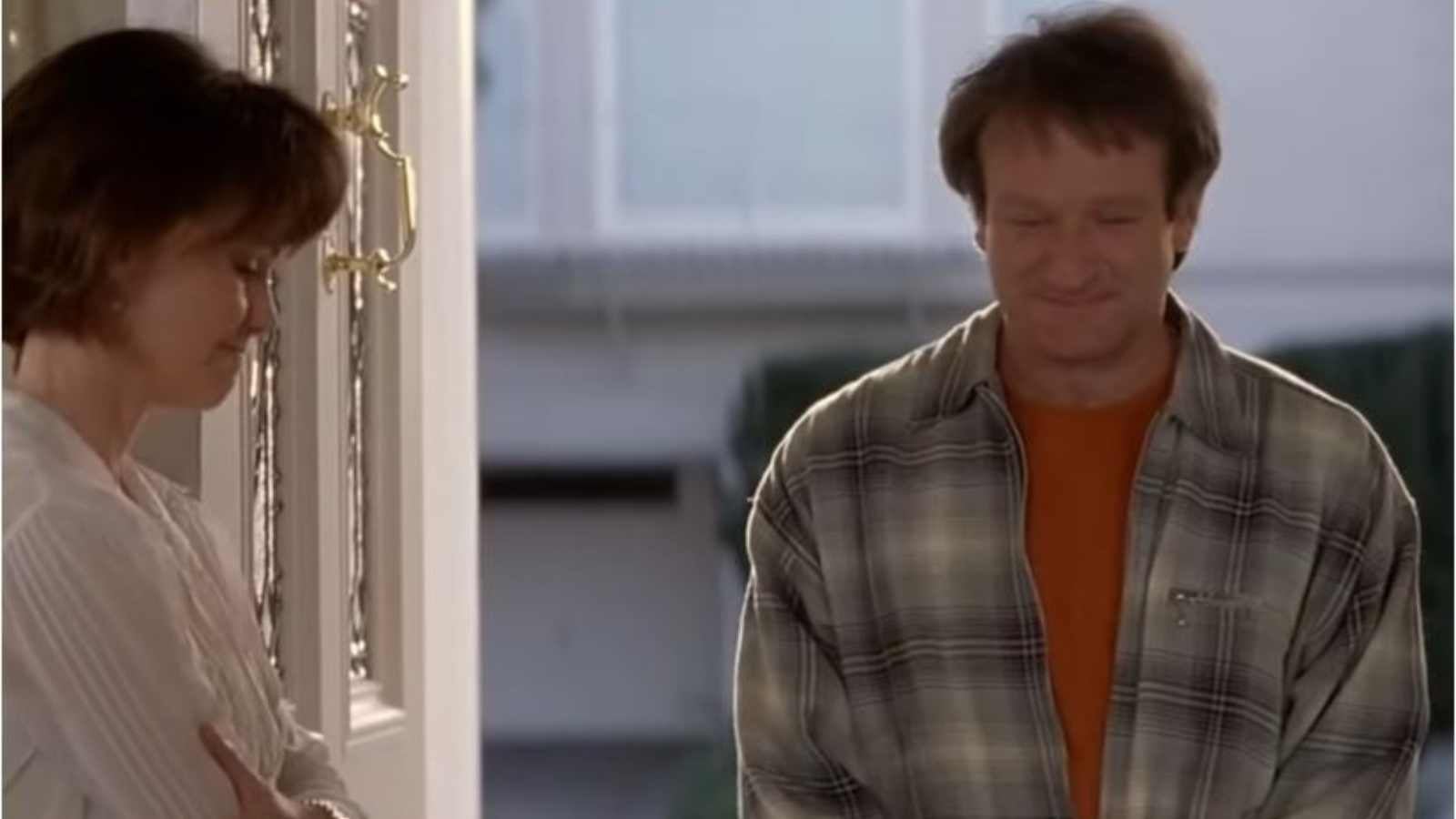
In Mrs. Doubtfire, Robin Williams and Sally Field resisted the idea of their characters, Daniel and Miranda, getting back together at the end. Williams felt that it was unrealistic and potentially harmful to children of divorced parents.
As a result, the movie ended on a more realistic note: Daniel and Miranda maintain a civil relationship, showing that, even in family films, the portrayal of divorce sometimes needs to be more grounded in reality.
Reese Witherspoon’s Reworking of Cruel Intentions
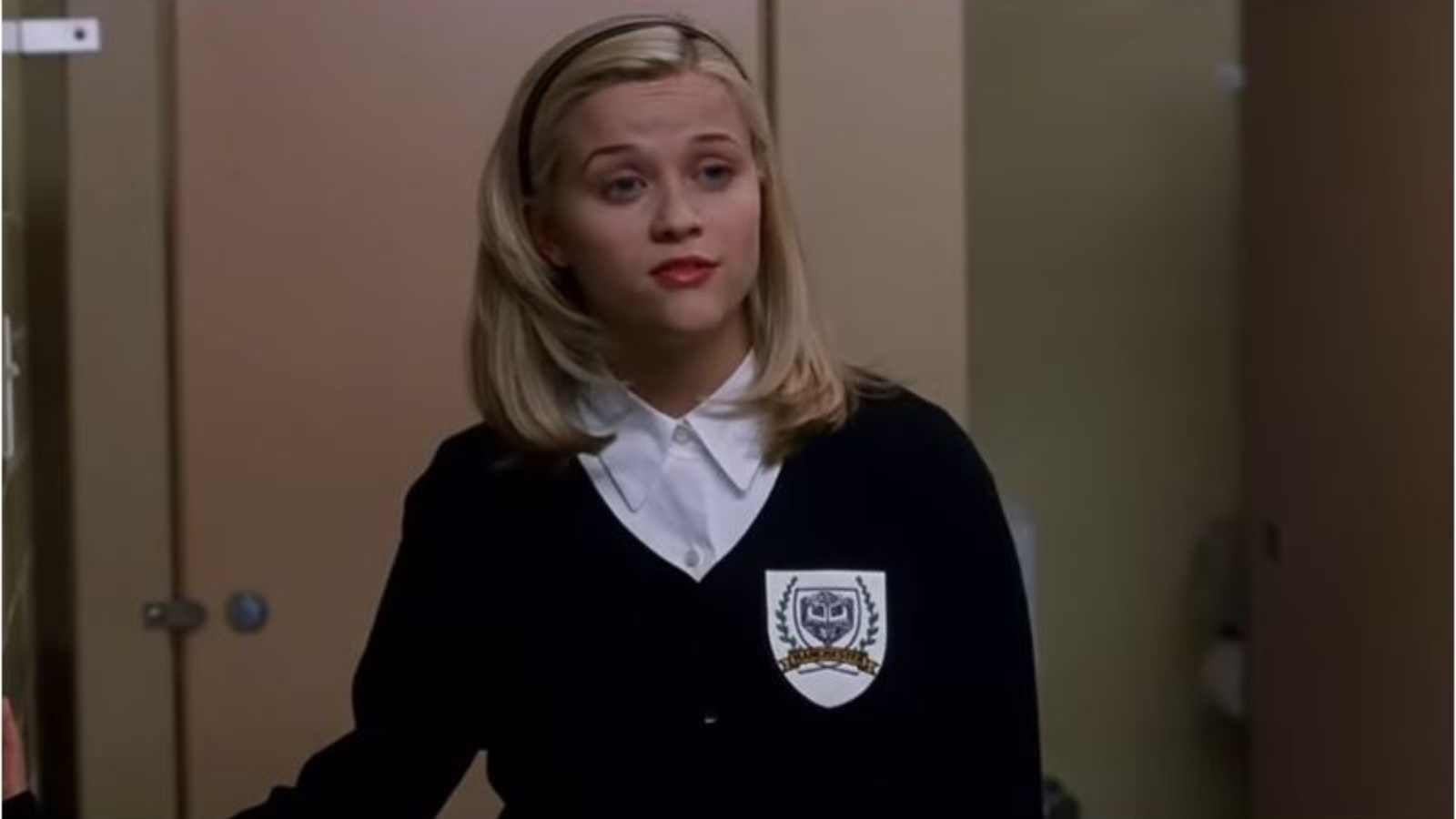
Before agreeing to take on the role of Annette in Cruel Intentions, Reese Witherspoon had significant changes made to the character. Initially, Annette was too passive, and Witherspoon worked closely with the filmmakers to create a more independent, active character.
Her contributions helped make Annette a role model for many viewers, transforming the character from a weak romantic foil to a strong and self-assured individual.
Sam Worthington and the Clash of the Titans Owl
In the 2010 remake of Clash of the Titans, the mechanical owl Bubo was initially meant to be a significant character, just as it had been in the 1981 original. However, lead actor Sam Worthington was vehemently opposed to working with the puppet owl, even threatening to destroy it if it remained in the film.
The filmmakers responded by scaling back Bubo’s role to a short cameo, avoiding any potential career-damaging controversy.
Dwayne “The Rock” Johnson Changes Rampage Ending
Dwayne Johnson is known for his tough-guy persona, but when Rampage initially had his character’s giant ape friend, George, dying at the end, Johnson refused to accept it. “I have a relationship with an audience around the world,” he said.
“You can’t just kill my ape.” The ending was rewritten, and George survived, ensuring that audiences left the theater with a positive experience.
Hattie McDaniel’s Stand on Race in Gone With the Wind
As the first Black actor to win an Oscar, Hattie McDaniel faced immense pressure during the filming of Gone with the Wind. She fought against the filmmakers’ use of the n-word in her character’s dialogue and led the Black cast in protesting the film’s racial portrayal.
Though she eventually agreed to take part in the film, McDaniel made sure that her character’s language was respectful and did not perpetuate harmful stereotypes.
Isla Fisher’s Control Over Wedding Crashers Character
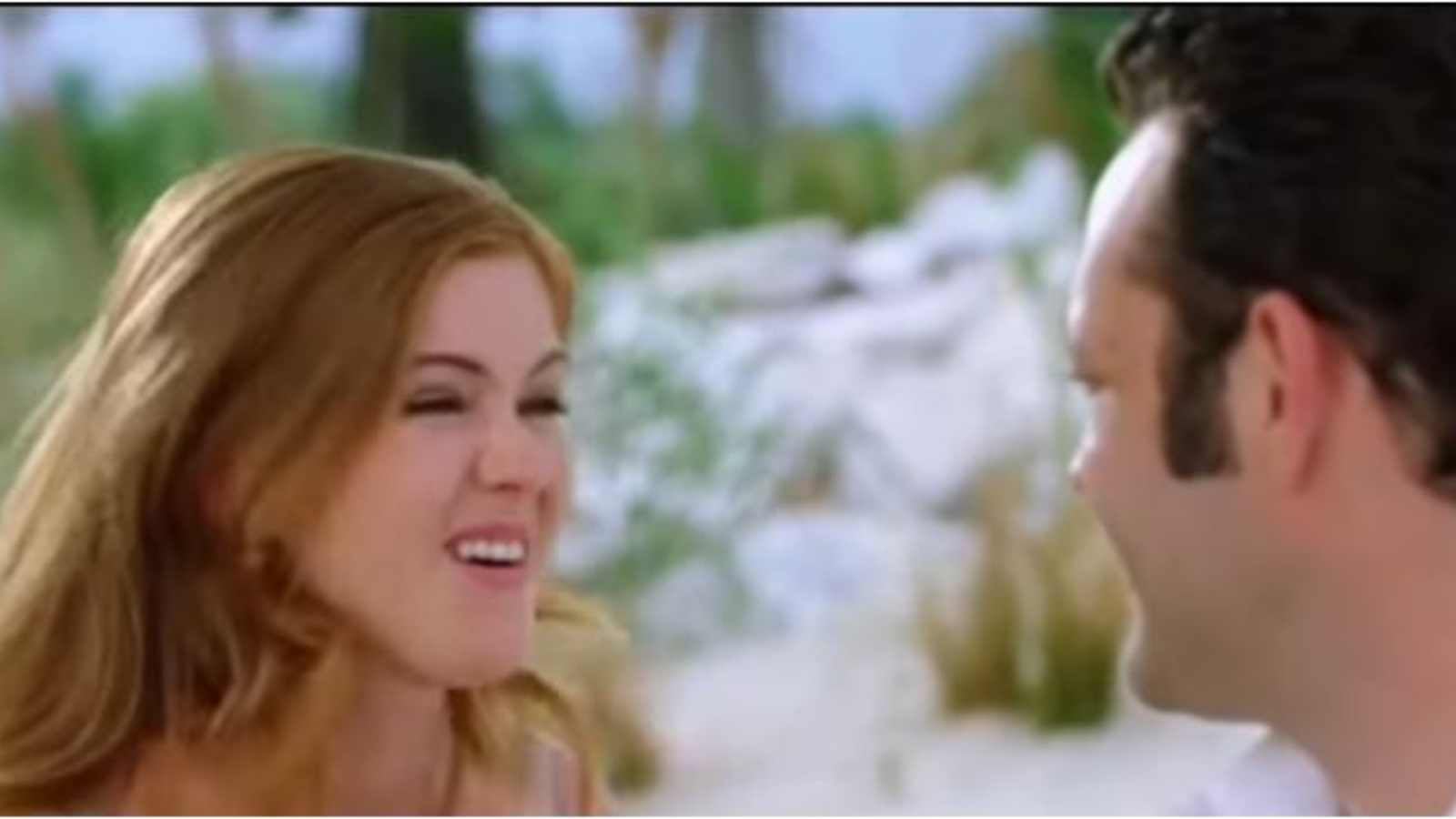
Isla Fisher’s portrayal of Gloria in Wedding Crashers was one of the film’s standout performances, but many of her character’s quirks were the result of her own input. The filmmakers originally wanted her character to appear nude in several scenes, but Fisher pushed back.
She argued that nudity would strip her character of her humor, turning her into just another sexualized role. Fisher took control of the character’s eccentricities, and her performance was a hit with audiences.
Conclusion
Actors are not just employees who say the lines; they are artists who shape their characters and the stories they tell. By refusing to participate in problematic or unrealistic storylines, these actors not only helped improve their films but also made bold statements about the industry’s direction. Whether they were challenging gender stereotypes, resisting uncomfortable scenes, or reworking entire endings, their decisions made a lasting impact on the films we know and love today.