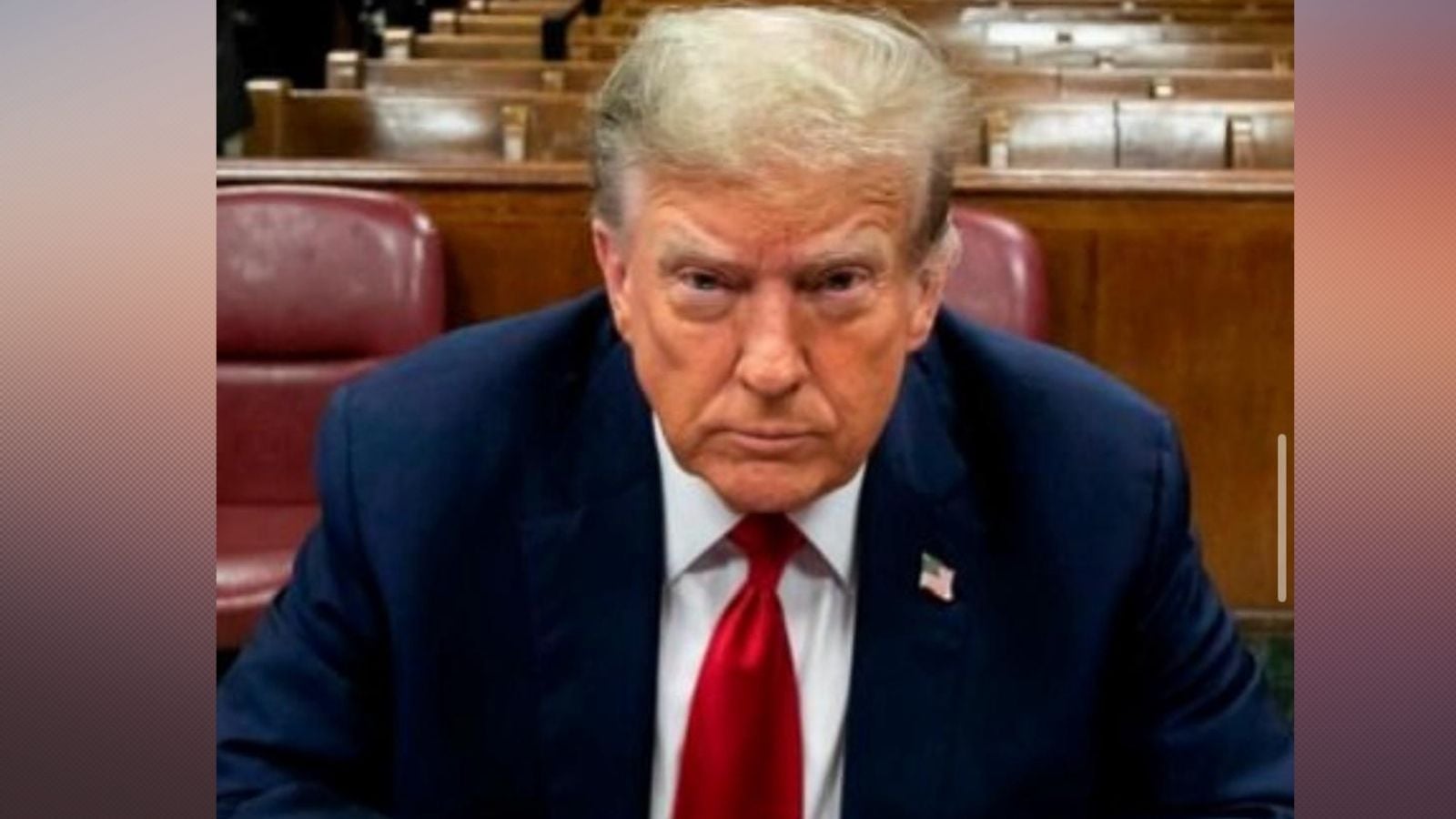
The Iranian Consulate in Hyderabad set off a massive digital firestorm on Wednesday, April 22, by posting an AI-generated video telling President Donald Trump to “shut up.”
This surreal moment marks a sharper, more satirical turn in what is being called the “Iran Trump social media war,” following months of intense military and digital friction. The clip specifically parodies the recent ceasefire extension brokered by Pakistan as a middleman, building on a wave of prior Iranian propaganda that garnered massive attention throughout the spring.
Earlier fakes, such as a March missile simulation, reportedly hit 70 million views, but a shift into using the beloved yellow cartoon icon signals a new level of asymmetric psychological warfare that targets American leaders with personal mockery.
The video plays out like a chaotic skit designed to humanize a very tense geopolitical standoff while painting the American side as impatient and ineffective. It features an AI version of Trump, with his signature hair and suit perfectly rendered, seated at a negotiation table alongside an AI JD Vance.
Two unnamed negotiators sit with them, but empty chairs gape opposite the American team, representing the Iranian delegation that notably did not show up for the talks. As Trump grows impatient in the animation, he taps his foot rapidly under the table before yanking out his phone to post a message claiming that he is having “very great negotiations with Iran.”
Frustration builds as he types away while an AI Jared Kushner hovers nearby with two others.
From Tense Talks to Cartoon Clapback
How was the ceasefire extended?
The video is getting viral in Iran. pic.twitter.com/UCldpWjZMO— Iran In Hyderabad (@IraninHyderabad) April 22, 2026
The tension breaks when the animated President character bellows that if Iran does not come to negotiate, he is going to bomb them. This outburst is met with a classic cartoon trope that flips the entire script into a moment of pure satire.
A “2000 years later” time jump cuts the scene forward to Trump slamming the table in total frustration as the room remains empty. An aide slips him a note that simply reads “Trump, Shut up.” The clip wraps with a laugh track as AI Trump mutters that he will extend the ceasefire at Pakistan’s request before storming out of the room.
This is part of a clear escalation pattern following the February 28, large-scale attacks launched by the United States and Israel. While early March messaging relied on heavy military misinformation, including doctored radar images and simulated strikes circulated, the strategy has since shifted toward leader-targeted roasts.
By early April, Lego-style animations began appearing, casting Trump as a clumsy, ineffective general ranting amid explosions. Now, the strategy has landed squarely in meme culture, where speed and relatability matter more than military polish.
These videos can reportedly be produced in under 24 hours using widely available AI tools, giving diplomatic accounts a fast and low-cost way to dominate global timelines.
Genius or Embarrassing? The Online Split
Iran owns Trump with the latest Ai meme mocking his efforts at war @realDonaldTrump @WhiteHousepic.twitter.com/Qr5ovPSf7j
— KT “Special MI6 Operation” (@KremlinTrolls) March 23, 2026
Reaction online has been exactly what you would expect. Split, loud, and slightly chaotic. Some users are fully entertained. One user described the situation as a “one sided PR battle,” while another praised what he called Iran’s “trolling level.”
Others were less impressed, pointing out the contradiction of a viral campaign coming from a country known for strict internet controls. One account sarcastically suggested that if the video truly reached most Iranians, it must have been government officials watching, since the state has “shut the internet down for the plebs.”
This divide cuts deeper than just humor. Some responses have been blunt, warning that even Pakistan’s mediation won’t save them if negotiations fail. Others criticized the mockery as an unintelligent approach during a period of genuine vulnerability. Yet the absurdity remains the main draw, as users noted the unlikely scenario of Trump waiting for an Iranian leadership that was never going to attend the meeting.
Where Is the U.S. Response?
Perhaps the most telling part of this “social media war” is the current American silence. While reputable outlets have tracked this digital front, there has been no official “clapback” from the Trump camp or the State Department.
Earlier in March, the White House briefly experimented with its own SpongeBob memes to promote military swagger, but nothing from the American side has matched the tone or directness of the Hyderabad consulate’s content, and there has been no response to this specific parody.
Without a response, Iran’s version of events, delivered through humor and satire, is filling the gap. Even without precise metrics, the spread of the “shut up” clip across popular news outlets suggests it is landing far beyond its original audience.
Memes Are Now Part of the Battlefield
Ultimately, the shift from missile simulations to cartoon shade proves that memes are now part of the primary battlefield. Traditional press conferences are being bypassed in favor of culturally fluent content that travels faster and hits harder.
Whether the video is viewed as funny or offensive, its ability to force a global conversation makes it an effective tool of influence. And if this is the new normal, future diplomatic clashes might look less like formal negotiations and more like a comment section that never really logs off.
As the ceasefire continues, the world remains tuned in to see which cartoon character will be drafted into the diplomatic ranks next.