Music is timeless, and so are the legacies of the musicians who created it. Yet, some of these iconic artists left us far too soon, their potential and contributions cut short by tragic circumstances. While their careers were brief, their influence is eternal, and their stories serve as a reminder of life’s fragility.
In this article, we look back at 13 legendary musicians whose lives ended prematurely but whose music continues to shape the cultural landscape.
Avicii (Tim Bergling)

Tim Bergling, known professionally as Avicii, was a Swedish DJ and producer who reshaped the EDM scene. His fusion of electronic music with folk and country elements in hits like “Wake Me Up” and “Levels” introduced EDM to mainstream audiences. Despite his massive success, Avicii struggled with mental health issues, leading to his retirement from live performances in 2016. Tragically, he died by suicide in 2018 at the age of 28, leaving behind a legacy that continues to spark crucial conversations about mental health in the music industry.
Jim Morrison
Jim Morrison, the charismatic lead singer of The Doors, combined rock music with poetry, making him one of the most enigmatic figures in rock history. His deep, philosophical lyrics, paired with the band’s dark, hypnotic music, captured the spirit of the counterculture movement. Morrison died in 1971 at the age of 27 under mysterious circumstances, and while his death was ruled as heart failure, the official cause remains unclear. Despite his brief life, Morrison’s work continues to influence musicians and poets alike.
Mac Miller

Mac Miller, born Malcolm McCormick, was a Pittsburgh rapper whose evolution from party rapper to introspective artist captivated fans. His debut album, Blue Slide Park, made history by debuting at number one on the Billboard 200, but it was his later works, like Swimming, that showcased his artistic growth. At just 26, Mac Miller died from an accidental overdose involving fentanyl-laced pills, a loss that sent shockwaves through the music community and led to legal action against the drug dealers responsible.
Whitney Houston
Whitney Houston, known as “The Voice,” was one of the most powerful and technically skilled vocalists in history. She achieved worldwide success with songs like “I Will Always Love You” and her albums, including Whitney, set sales records. Despite her immense talent, Houston’s life was marred by struggles with addiction. She tragically died at the age of 48, drowning in her hotel bathtub. Her death was attributed to a combination of heart disease and drug use, but her legacy as a musical icon remains intact.
The Notorious B.I.G. (Christopher Wallace)
Christopher Wallace, better known as The Notorious B.I.G. or Biggie Smalls, revolutionized East Coast rap with his smooth flow and storytelling ability. His debut album, Ready to Die, remains a masterpiece, and his posthumous release, Life After Death, solidified his status as one of the greatest rappers of all time. At just 24 years old, Biggie was shot and killed in a drive-by shooting in Los Angeles, and his murder remains unsolved to this day, leaving behind an indelible mark on hip-hop.
Tupac Shakur
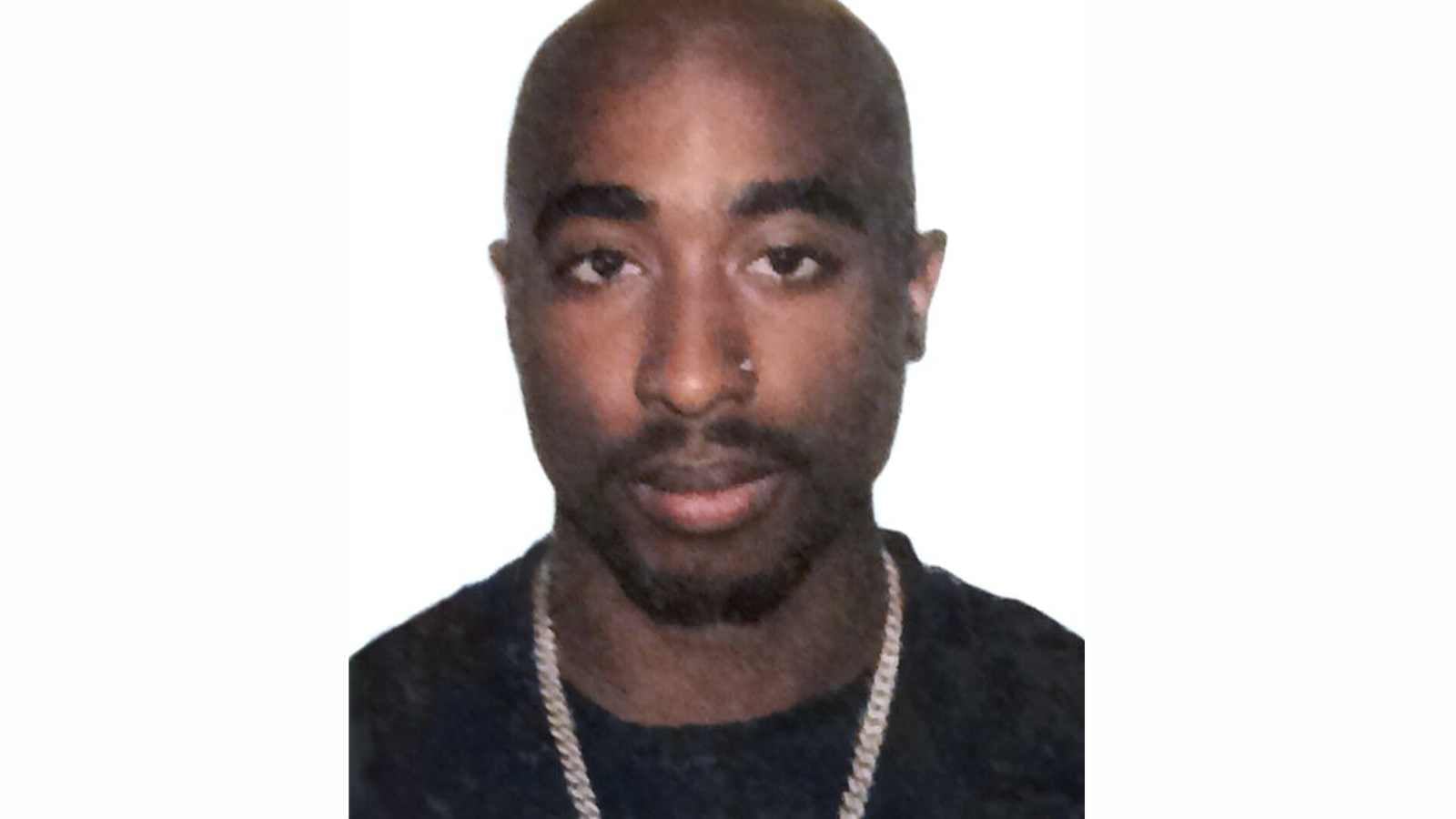
Tupac Shakur was more than just a rapper; he was a political activist, poet, and icon whose music tackled issues of racial inequality and social justice. Albums like All Eyez on Me and Me Against the World showcased his versatility and storytelling prowess. At 25, Tupac was fatally shot in a drive-by shooting in Las Vegas. His death remains shrouded in mystery, fueling numerous conspiracy theories, but his legacy in both music and activism endures.
Kurt Cobain
Kurt Cobain, the frontman of Nirvana, became the reluctant face of Generation X. With the release of Nevermind in 1991, Nirvana brought grunge to the mainstream and changed the landscape of alternative rock. Cobain struggled with depression and addiction, and in 1994, he tragically died by suicide at the age of 27. His death not only ended a promising career but also cemented Nirvana’s place as one of the most influential bands in rock history.
Freddie Mercury
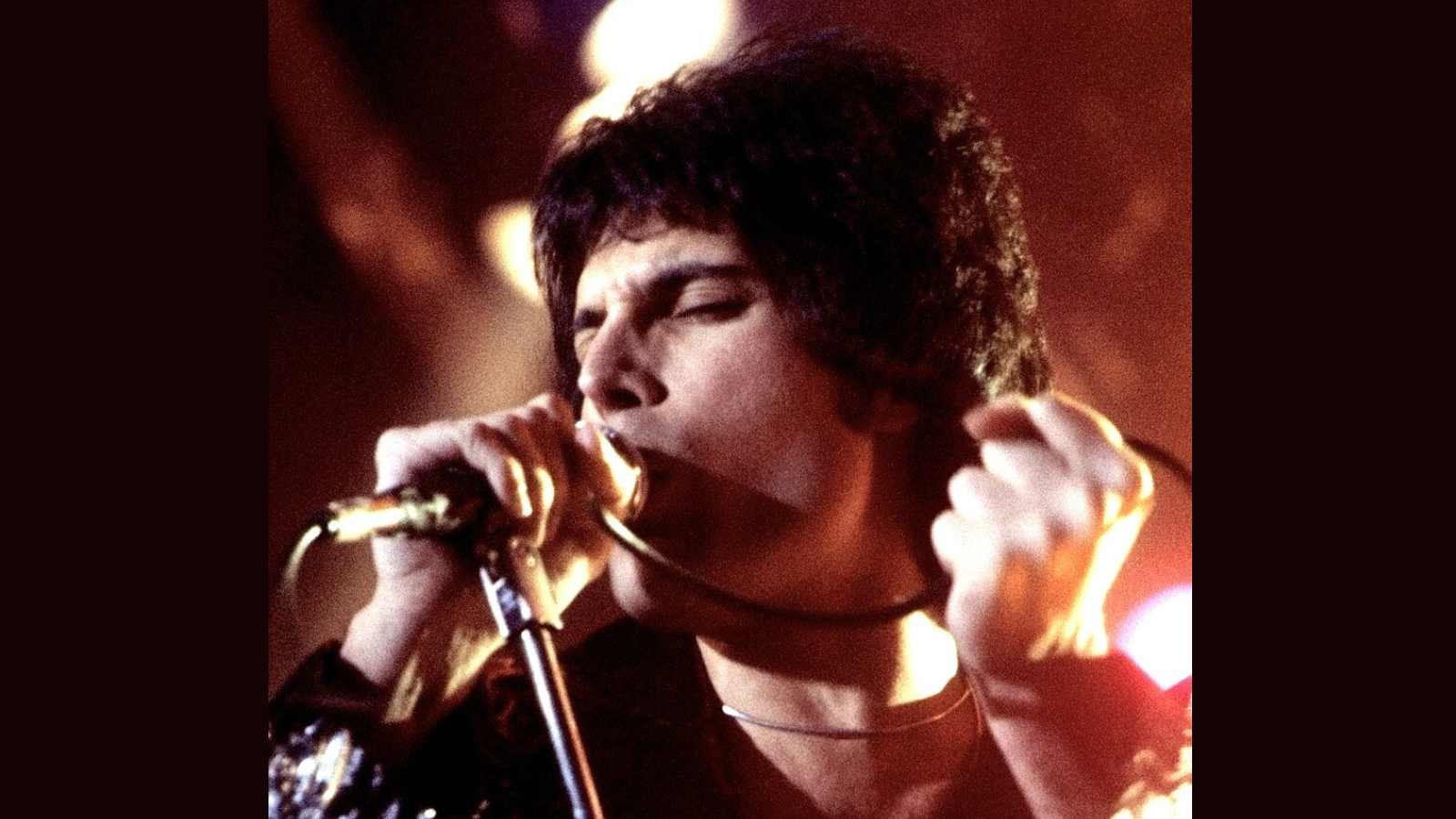
Freddie Mercury, the flamboyant frontman of Queen, possessed a four-octave vocal range and a stage presence that made him one of the greatest performers in rock history. Songs like “Bohemian Rhapsody” and “We Are the Champions” are timeless anthems that still resonate with audiences worldwide. Mercury died in 1991 at 45 from AIDS-related complications, raising awareness about the disease at a time when it was still heavily stigmatized.
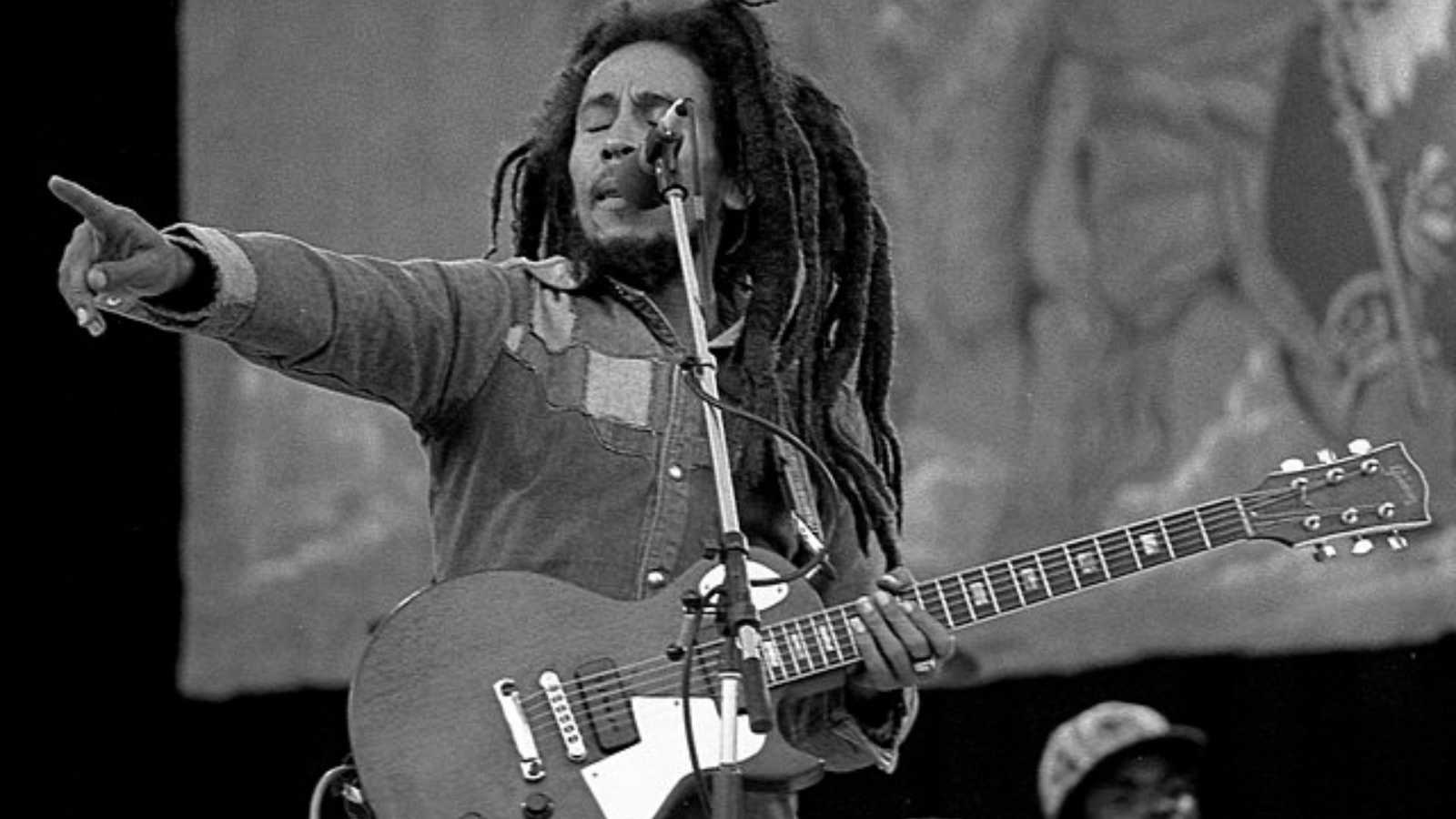
Bob Marley
Bob Marley brought reggae music to the global stage, using his platform to spread messages of love, unity, and social justice. His albums, including Exodus and Catch a Fire, are considered groundbreaking in their fusion of reggae with rock and soul. Marley died at 36 from cancer, but his impact on both music and culture remains unparalleled. His music continues to inspire movements for peace and unity around the world.
Janis Joplin
Janis Joplin’s raw, emotional performances made her one of the most unforgettable voices of the 1960s. As the lead singer of Big Brother and the Holding Company, Joplin released Cheap Thrills, an iconic album that captured the spirit of the counterculture movement. She died from a heroin overdose at 27, just weeks after recording her final album, Pearl. Joplin’s influence on rock and blues remains profound, and her powerful voice continues to inspire artists.
Jimi Hendrix
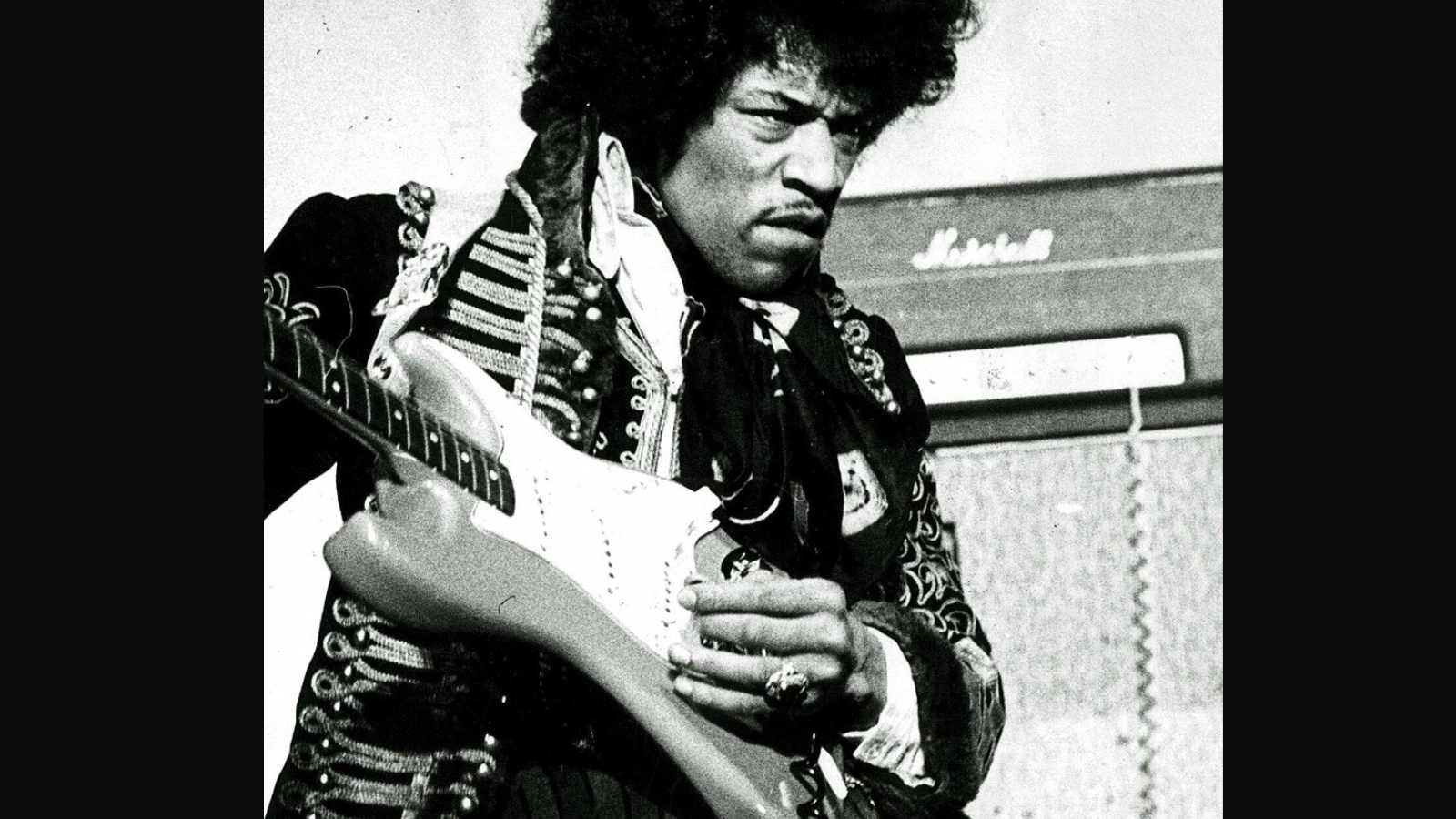
Jimi Hendrix is widely regarded as the greatest guitarist in rock history. His innovative use of feedback, distortion, and sonic experimentation revolutionized the electric guitar. Hendrix’s albums, including Are You Experienced? and Electric Ladyland, pushed the boundaries of what rock music could be. He died in 1970 at the age of 27 from asphyxiation after choking on his own vomit, but his music continues to shape rock and roll.
Brian Jones
Brian Jones was the founder of The Rolling Stones and a key figure in shaping the band’s early sound. A talented multi-instrumentalist, Jones contributed to the band’s musical diversity by incorporating exotic instruments such as the sitar. He was dismissed from the band due to his erratic behavior and drug use, and died just weeks later at the age of 27. His death, officially ruled as drowning, remains shrouded in mystery, adding to the tragic aura surrounding his life.
Buddy Holly
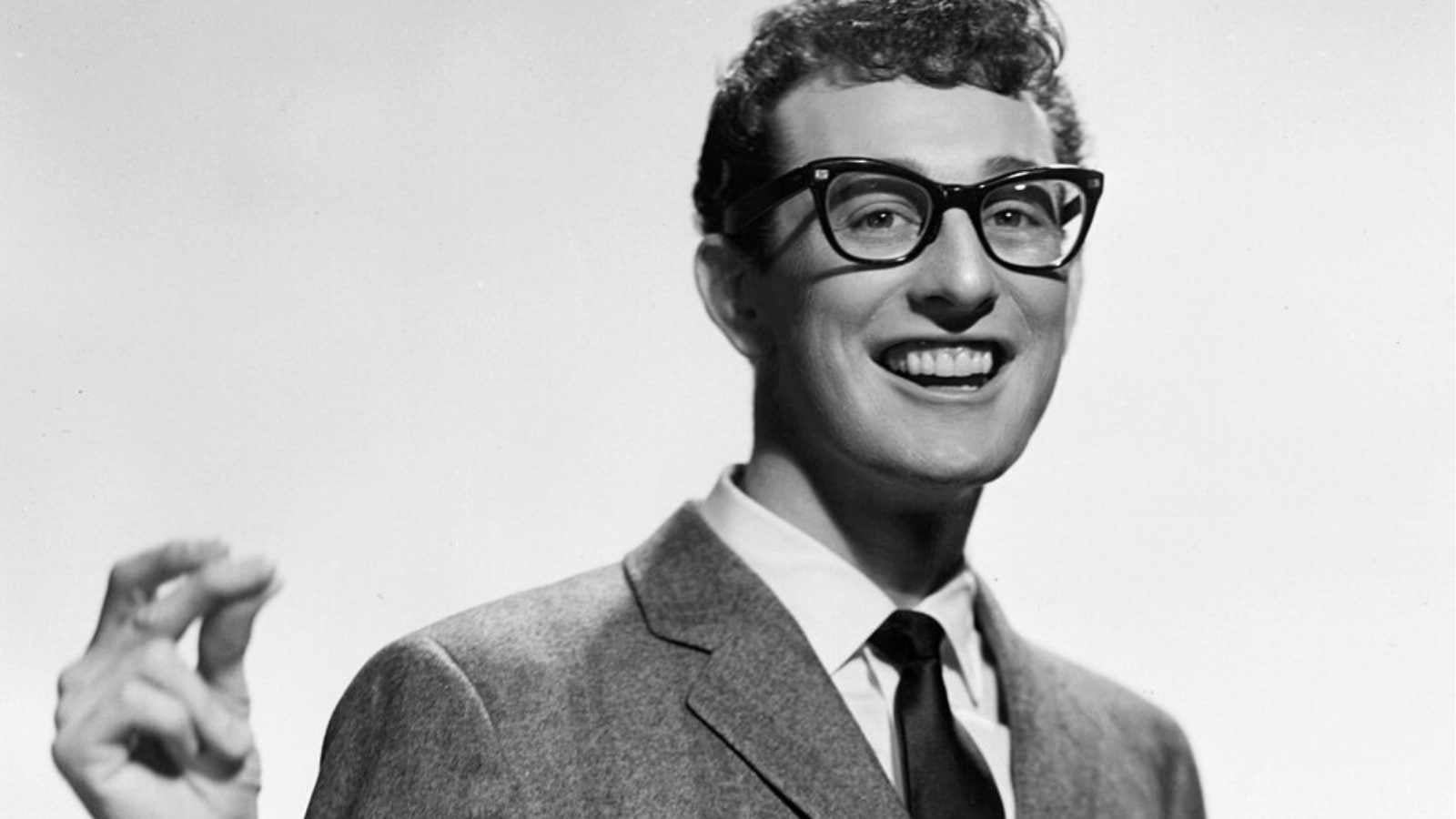
Buddy Holly’s contributions to rock and roll cannot be overstated. His innovative songwriting and unique vocal style helped establish the standard rock band format of two guitars, bass, and drums. Hits like “That’ll Be the Day” and “Peggy Sue” are still beloved by fans. Holly’s life was tragically cut short in a plane crash at just 22, an event immortalized as “The Day the Music Died.” His influence on rock music and the artists who followed is immeasurable.
Conclusion
While these 13 musicians’ lives were tragically short, their music lives on, continuing to shape genres, inspire new generations, and provide a soundtrack to our lives. Their untimely deaths serve as a reminder that even the brightest stars can burn out too soon. Yet, the impact they left behind proves that true greatness never fades, no matter how brief the journey. These legends remain immortal through their music, reminding us of life’s fragility and the timeless power of their art.