
Some celebrities are known for their dazzling talents, and others for their ability to transform entirely into new personas, giving birth to alter egos that are as unforgettable as they are bold. But what happens when these larger-than-life characters outlive their usefulness? Some are quietly retired, while others are dramatically “killed off,” their dramatic exits often serving as poignant moments of reinvention.
From rock legends to pop icons, let’s explore the alter egos that were either retired with grace or met an untimely demise.
Childish Gambino
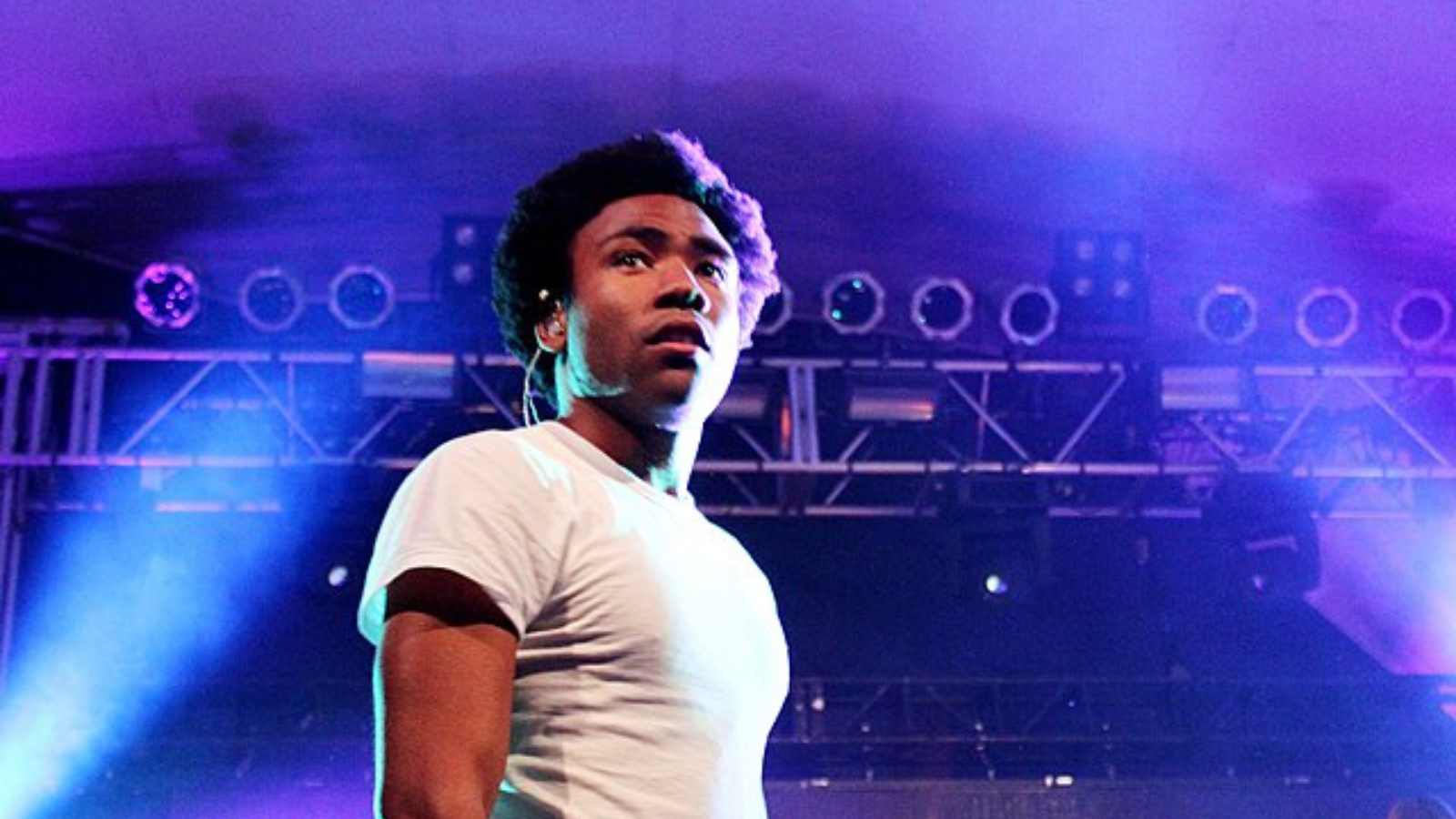
The world first met Donald Glover through the lens of comedy, but it was his music career under the alter ego Childish Gambino that truly captured the world’s attention. As Gambino, Glover went on to create some of the most iconic tracks of the 2010s, from “Redbone” to “This Is America”. Yet, in a stunning move, he announced that Gambino would be retiring after a final album, signaling the end of the character.
For Glover, Childish Gambino was never just a persona; it was a creative tool that enabled him to experiment and push past his own boundaries. By announcing the end of Gambino, Glover demonstrated the power of evolution; he was ready to step into new creative endeavors, leaving Gambino behind like a chapter in his life.
Ziggy Stardust
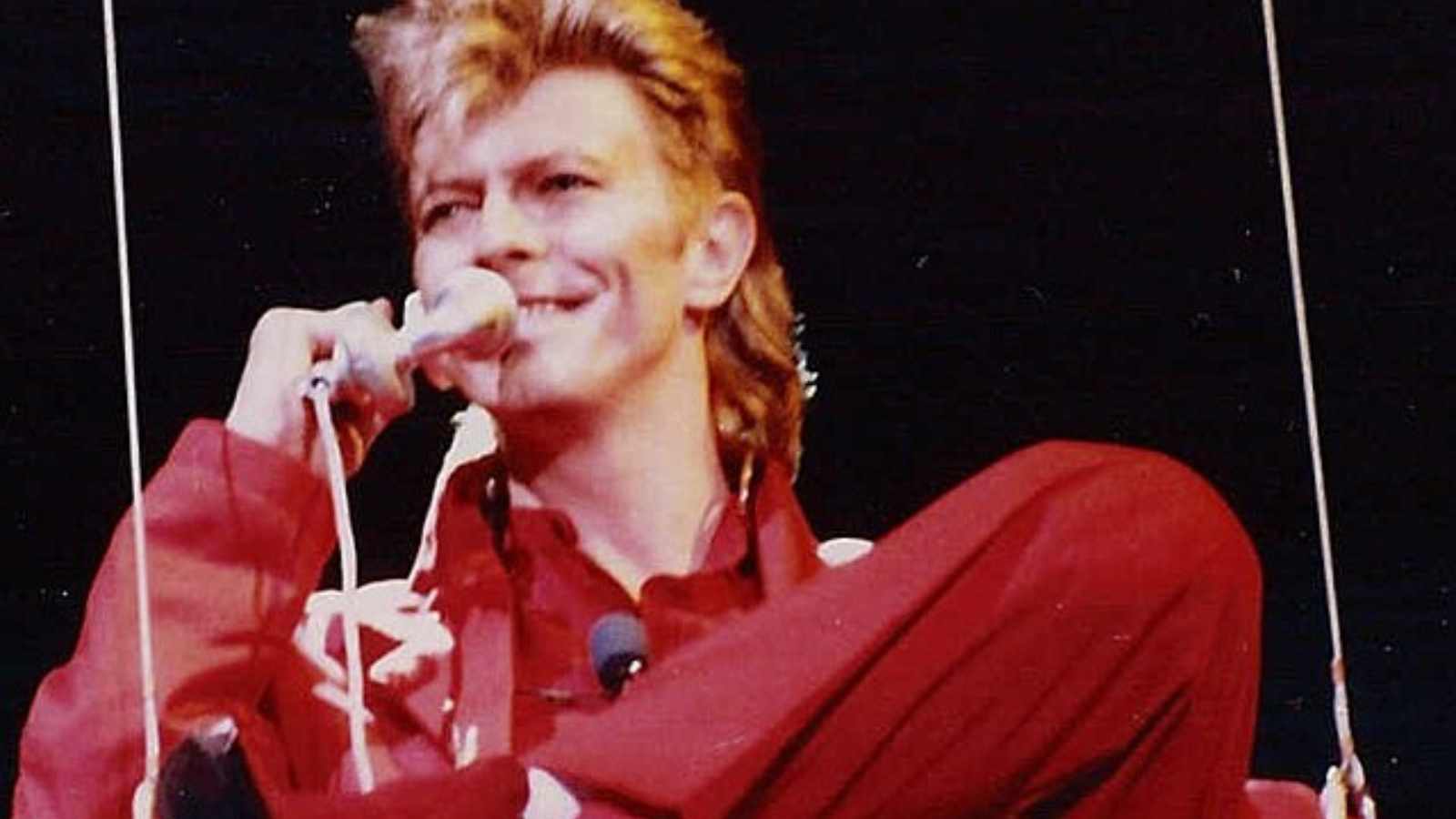
No alter ego encapsulates the essence of reinvention quite like David Bowie’s Ziggy Stardust. The androgynous, wild-eyed rock star was not just a character, but an artistic revolution. With his flaming red hair and eclectic style, Ziggy was both a creation and a commentary on the stifling boundaries of the music industry. But Bowie knew that no one could sustain such a bold character forever.
During his 1973 “Last Ziggy” performance, Bowie made the dramatic decision to retire the character, announcing to the world that Ziggy Stardust had died. This was more than a retirement; it was an artistic statement that pushed the boundaries of what a rock star could be. It was Bowie’s way of saying, “I’m done being what you want me to be. Watch me transform again.” Ziggy’s “death” was not an end, but a metamorphosis.
Hannah Montana
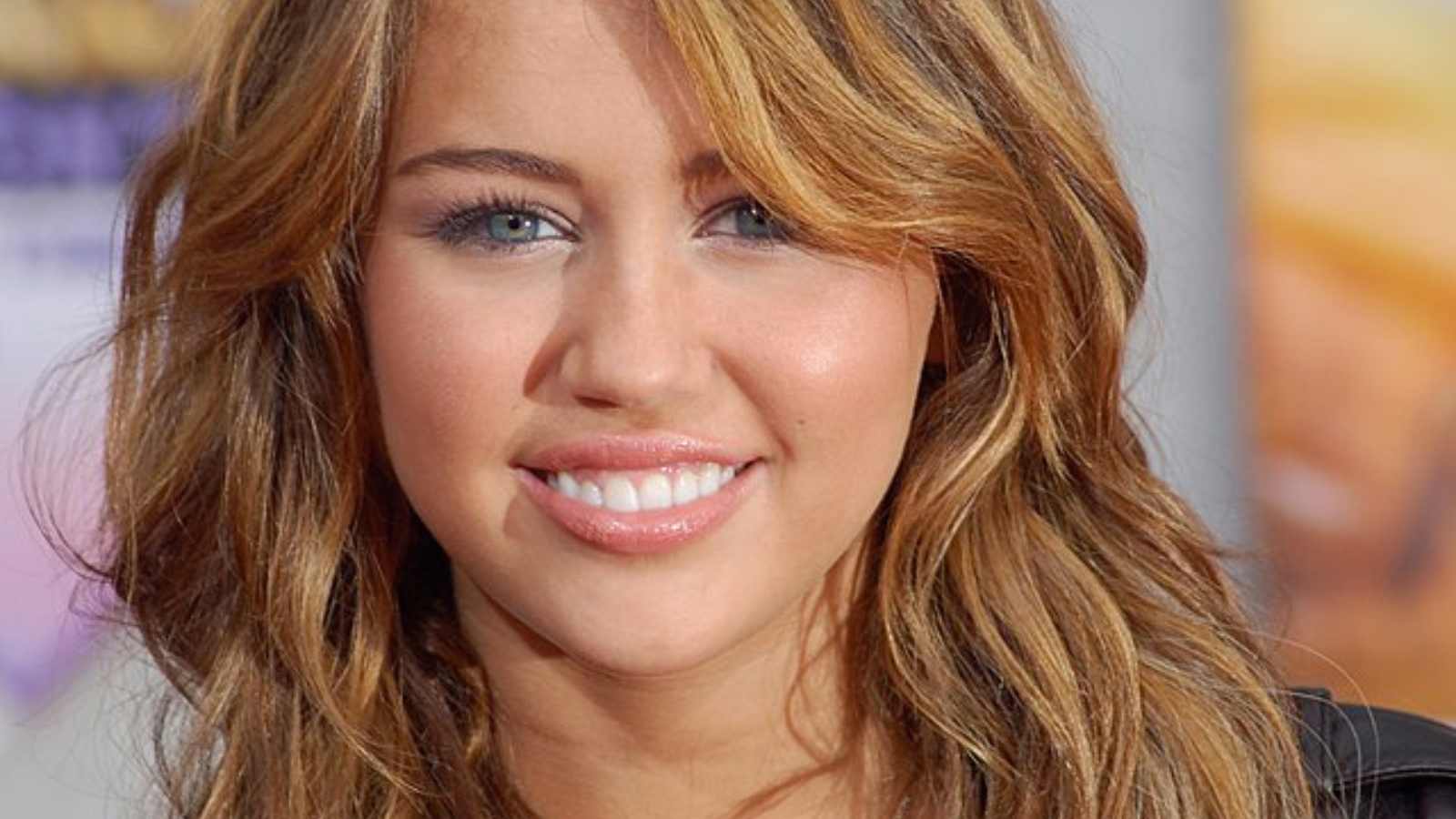
For many, Miley Cyrus will always be Hannah Montana, the wholesome pop princess who lived a double life on Disney Channel. But as Cyrus grew older, she wanted to break free from her bubblegum image and embrace a more mature, complex identity. In a way, the world watched as Hannah Montana was “killed off” in a fictional sense.
It wasn’t a dramatic ending or a dark twist; it was a natural conclusion to a character that no longer fit Cyrus’s evolving personal and professional life. The death of Hannah Montana marked a shift toward her true self, from a young pop star to a boundary-pushing artist no longer afraid to be fully herself.
Ali G, Borat, and Brüno
Sacha Baron Cohen might be the master of alter egos, having brought the world Ali G, Borat, and Brüno. Each character was a bold satire of social issues, offering scathing commentary through outlandish, often absurd behavior. The cultural impact of these personas was immense, as they skewered politics, society, and celebrity in ways that no one had dared before. However, Cohen eventually decided that the time had come to retire these characters.
Their cultural commentary had been made, and the satirical stunts, while brilliant, no longer had the same power. Though Cohen has yet to officially kill them off, the characters have faded from public life, and Cohen has moved on to more nuanced roles. The death of these alter egos is symbolic, an evolution away from shock value and toward deeper social exploration.
Richard Bachman
Stephen King, one of the most prolific writers of our time, had a secret. Under the pen name Richard Bachman, he wrote several novels without revealing his identity. Bachman was an escape, a way to explore different genres and themes without the immense pressure of his fame. However, when it was revealed that Bachman was, in fact, King, the alter ego was formally “killed off” in a dramatic and tongue-in-cheek obituary written by King himself, stating that “Richard Bachman had died of cancer”.
For King, Bachman was not just a pen name; it was a necessary outlet for exploring different creative avenues. His retirement of the pseudonym was not a mere decision; it was the closure of a chapter in King’s own writing evolution.
Chris Gaines
In 1999, Garth Brooks shocked the country music world with a completely new persona: Chris Gaines, a grungy, moody rock star. The alter ego was created as part of a multi-media project that included an album and even a film. But after the project flopped, Chris Gaines retired, abandoned like a forgotten dream. Brooks later expressed regret about the venture, explaining that Gaines was never a true extension of himself but rather a creative experiment.
The death of Chris Gaines was less of a dramatic exit and more of an awkward fade into obscurity. Brooks learned that while he could push the boundaries of his art, certain characters were simply not meant to stand the test of time.
Sasha Fierce
Perhaps one of the most iconic alter egos in pop culture, Beyoncé’s Sasha Fierce was the electrifying stage persona who allowed her to embrace her inner diva and dominate the stage. In her 2008 album I Am… Sasha Fierce, Beyoncé introduced the world to a bolder, fiercer version of herself. But as time went on, she realized that she no longer needed Sasha Fierce to perform at her highest level.
In a symbolic move, she “killed off” Sasha Fierce, saying that the persona no longer served her. The death of Sasha Fierce wasn’t about a loss, but a reinvention. Beyoncé had grown beyond the need for her alter ego; she had fully embraced her authentic self.
Slim Shady
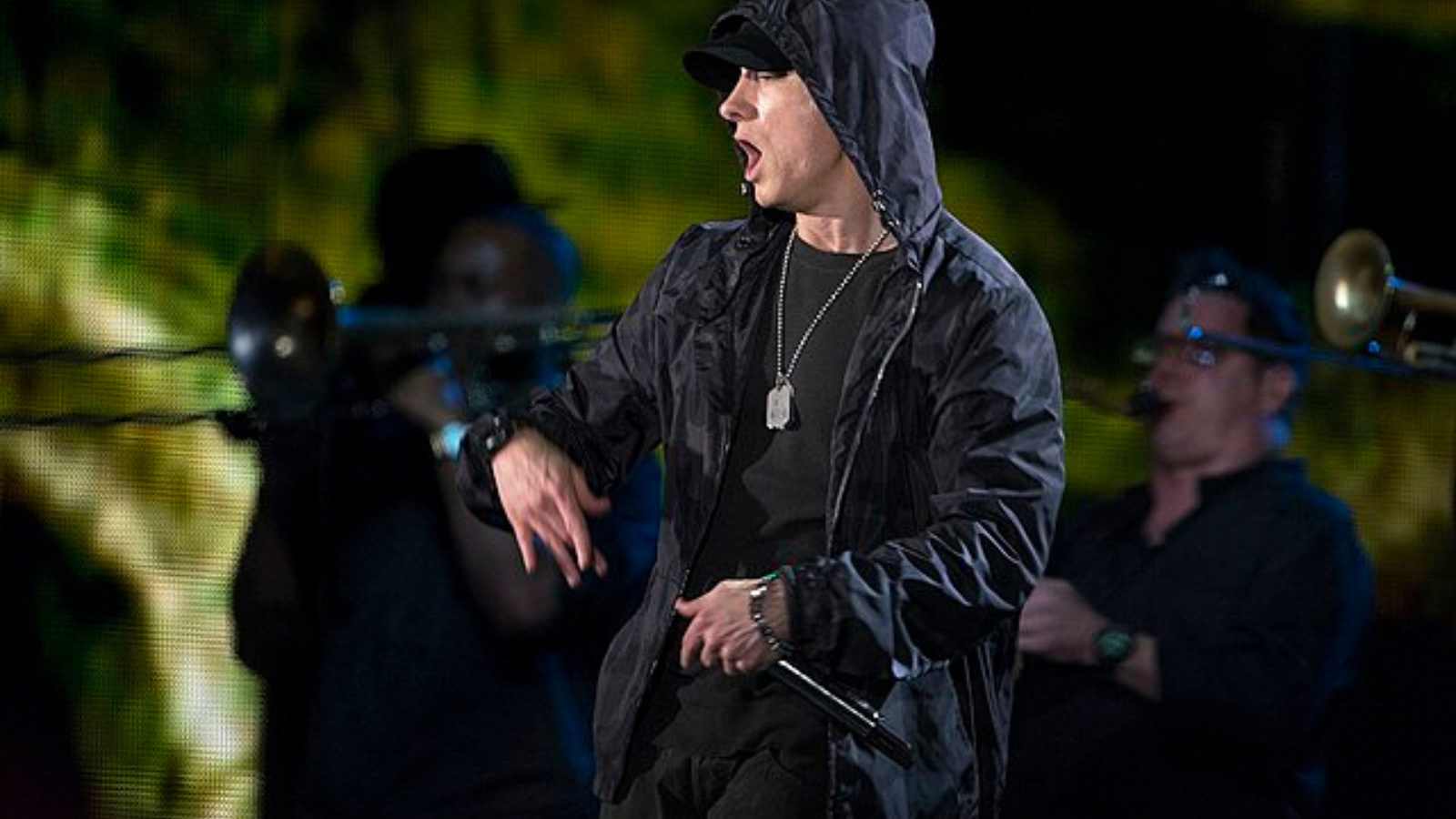
When Eminem burst onto the music scene, he did so with a bang, introducing the world to Slim Shady. This chaotic, unruly, and often controversial character embodied everything the real Marshall Mathers wanted to say but couldn’t express under his own name. Slim Shady was a metaphorical bomb, each lyric more explosive than the last.
However, as Eminem grew and evolved, so did his narrative. In a daring move, Slim Shady was “killed off” in a fictional obituary, coinciding with the release of the album The Death of Slim Shady (Coup de Grâce), closing a significant chapter in his career. It was a statement about reinvention. Eminem was done with the angry young man persona and ready to evolve into something new. In many ways, Slim Shady’s “death” mirrored Eminem’s own journey toward redemption.
Conclusion
In the world of celebrities, alter egos are a powerful tool. They allow artists to explore new facets of their creativity, transcend boundaries, and even comment on social and cultural issues. But the death or retirement of these characters often signifies more than just the end of a chapter; it symbolizes the evolution of the artist behind them.
Whether Slim Shady’s chaotic rage or Ziggy Stardust’s androgynous brilliance, these alter egos were born, lived, and often died as part of a larger, personal transformation. And in their passing, they leave behind a legacy far more than a character; it is a statement of artistic freedom.