A 98-year-old Pennsylvania woman believed she had won a Publishers Clearing House prize. Instead of receiving millions, she lost nearly $110,000.
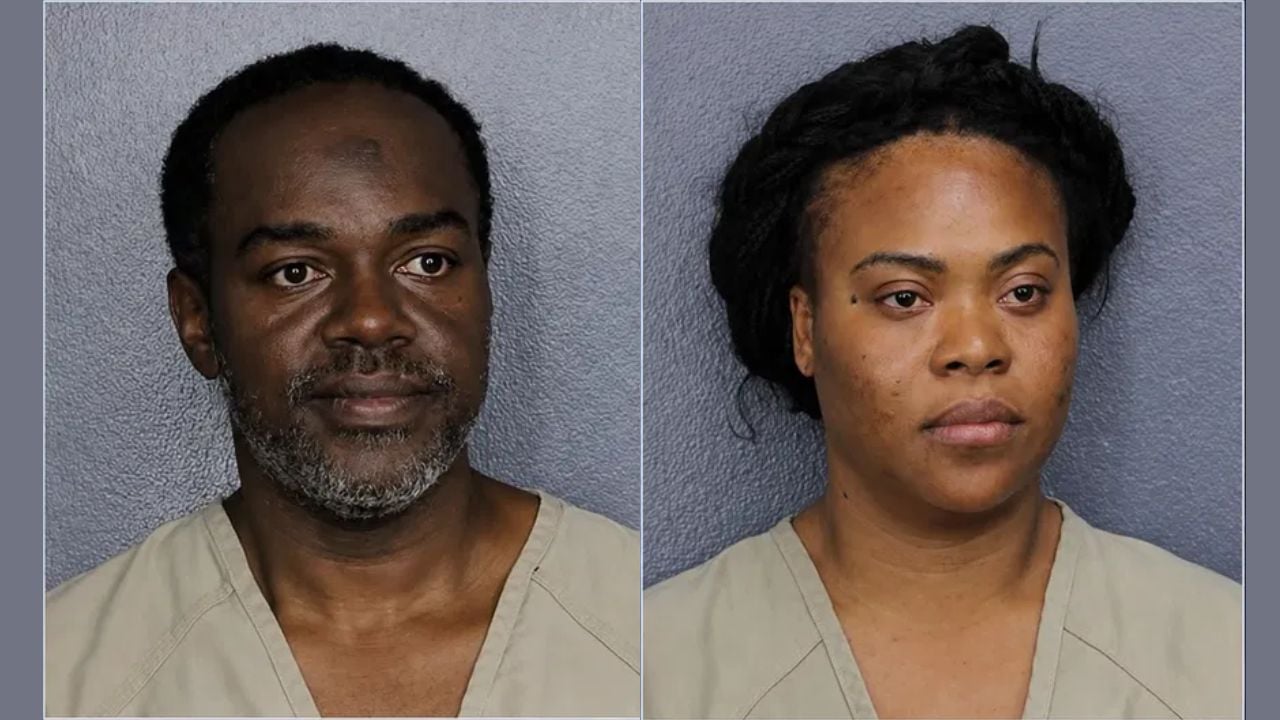
The Lycoming County woman was one of the victims in what PennLive described as a nationwide scam. Federal prosecutors have charged Ceyon Calvert, 43, and Christal Calvert, 38, both of Pembroke Pines, Florida, in connection with the alleged operation.
Prosecutors say elderly victims were falsely told they had won multimillion-dollar Publishers Clearing House prizes. Before receiving the supposed winnings, however, they were instructed to provide tens of thousands of dollars for taxes and other fees.
The prizes never arrived. The indictment accuses participants in the scheme of directing victims’ money to other people involved in the operation, turning the promise of a life-changing windfall into substantial financial losses.
The Prize Came With Expensive Upfront Fees
The U.S. Attorney’s Office for the Middle District of Pennsylvania says the alleged conspiracy began on an unknown date and continued until April 2026. According to the indictment, participants contacted elderly victims and told them they had won Publishers Clearing House prizes worth millions of dollars.
The supposed winners were then given another part of the story, the prize could not be released until they first paid taxes and fees. Prosecutors allege the multimillion-dollar prizes themselves were fictitious and that the advance payments were the objective of the scheme.
Among those allegedly targeted was a 98-year-old woman from Lycoming County. PennLive reported that she lost nearly $110,000 after believing she had won a Publishers Clearing House prize.
The Publishers Clearing House Name Made the Story More Familiar
Publishers Clearing House is a real sweepstakes operator, which gives impersonators a recognizable name to exploit. A person receiving a call or message about an unfamiliar lottery might immediately be suspicious, while the PCH name can make a fabricated prize announcement sound more plausible.
The real Publishers Clearing House warns consumers that it does not call people and demand money to enter or claim a prize. Its scam-prevention guidance states that no purchase, fee or other payment is required to win. PCH’s official rules likewise say winners are never required to provide money, taxes, fees or payment to collect a legitimate prize.
The Federal Trade Commission issued another warning about the same impersonation tactic in March 2026, noting that scammers may deliberately claim to represent a familiar sweepstakes company such as Publishers Clearing House.
The Scam Can Keep Producing New Reasons to Pay
Advance-fee prize schemes can become particularly expensive because one successful payment does not necessarily end the demands. A scammer who learns that a victim is willing and able to provide money can invent another obstacle preventing release of the supposed prize.
The new demand might be described as taxes, processing costs, shipping expenses, insurance or another administrative requirement. The explanation changes, but the victim is repeatedly told that one more payment will finally release the much larger amount waiting for them.
That structure can create a powerful sunk-cost problem. After someone has already sent thousands of dollars, walking away means accepting both that the prize was false and that the previous payments may be gone. Sending another payment can feel like the only remaining way to recover what has already been spent.
Federal Agents Arrested the Calverts in Florida
Federal agents arrested Ceyon and Christal Calvert in Florida on June 28, 2026. Both live in Pembroke Pines, according to federal prosecutors.
The arrests followed an indictment charging them with conspiracy to commit wire and mail fraud. Prosecutors allege they helped orchestrate the wider scheme targeting elderly victims.
The government’s allegation is that they participated in a conspiracy involving multiple people and the movement of victims’ money through other scheme participants.
The FBI and Department of Homeland Security are investigating the case. Assistant U.S. Attorney Alisan V. Martin is prosecuting it for the Middle District of Pennsylvania.
Both Defendants Pleaded Not Guilty
The Calverts appeared in federal court on Aug. 12, more than six weeks after their arrests. Both pleaded not guilty. U.S. Magistrate Judge Sean A. Camoni ordered them detained pending trial. They therefore remain in federal custody while the criminal case proceeds unless a later court order changes their detention status.
The conspiracy charge carries a maximum possible penalty of 20 years in federal prison, followed by supervised release, as well as a fine. That is a statutory maximum.
Any sentence would depend on the offense of conviction, federal sentencing statutes, the advisory sentencing guidelines and the judge’s findings. At this stage, neither Ceyon nor Christal Calvert has been convicted, and the indictment remains an accusation.
A Real Prize Does Not Require You to Pay to Receive It
The FTC says legitimate prizes are free. If someone claims to represent Publishers Clearing House, do not verify the story using the phone number, email address or website supplied by that person. Contact PCH independently through its official website. PCH also operates an official scam-reporting service for people who receive fraudulent communications using its name.
Never give a supposed prize representative a bank account number, credit-card information or Social Security number in order to collect winnings. Do not send cash, gift cards, cryptocurrency, wire transfers or payments through apps when someone says those transactions are necessary to release a prize.
Anyone who has already sent money should stop making additional payments, contact the bank or payment provider immediately and explain that the transaction resulted from fraud. Whether money can be recovered depends on the payment method and how quickly the report is made, but additional payments will not unlock a nonexistent prize.
Suspected prize scams can be reported to the FTC through ReportFraud.ftc.gov. Internet-enabled schemes can also be reported to the FBI through IC3.gov, while local law enforcement should be contacted when substantial money has already been taken.