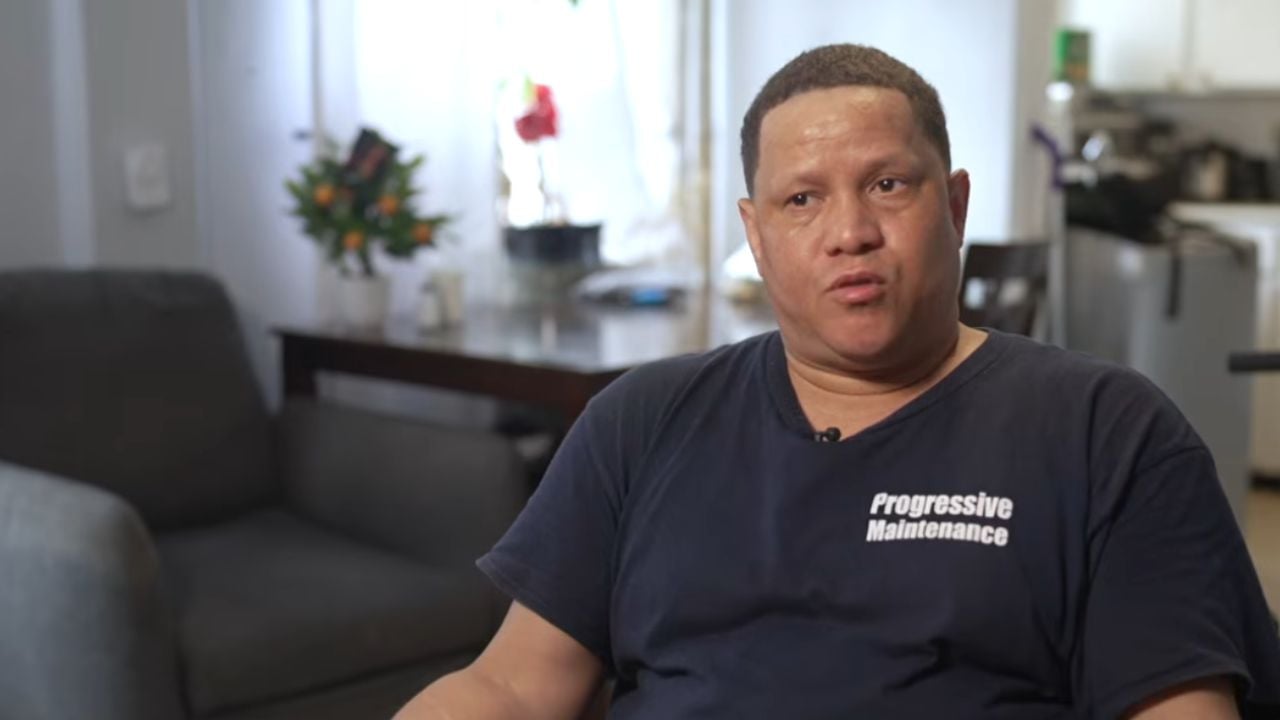
A Bronx man trying to become a U.S. citizen says he lost $4,820 after responding to a social media advertisement featuring what appeared to be a real immigration attorney.
The lawyer was real. The advertisement was not.
Victor Hernandez, a legal U.S. resident who moved from the Dominican Republic more than a decade ago, says scammers used artificial intelligence to impersonate Miami immigration attorney Angel Leal and convinced him to send money through Zelle, according to ABC7 New York.
By the time Hernandez realized what was happening, he says the people behind the scheme had not only taken thousands of dollars but had also obtained copies of some of his most sensitive documents, including his Social Security card and permanent resident card.
The Ad Promised Citizenship for $1,500
Hernandez had wanted to become a U.S. citizen when an immigration advertisement appeared on social media. It featured a person who appeared to be Leal and promised to help him obtain citizenship without taking the official naturalization exam. Hernandez called the number associated with the advertisement. He says the initial price for the service was $1,500.
But the demands did not stop there. The people he was communicating with repeatedly requested additional documents and additional payments as the supposed immigration process continued.
The promise itself deserved scrutiny. U.S. Citizenship and Immigration Services says naturalization applicants generally take English and civics tests unless they qualify for a specific exemption or waiver. An attorney cannot simply eliminate those legal requirements because a client pays for representation.
Every New Document Came With Another Payment
Hernandez says he provided copies of his Social Security card, permanent resident card and other personal documents to the people he believed were handling his citizenship case. Each new request also brought another demand for money. Hernandez sent the payments through Zelle and ultimately paid $4,820.
His wife eventually became suspicious. With help from a friend, the couple investigated the people Hernandez had been dealing with and discovered that the advertisement was fake.
Hernandez told ABC7 that he fell behind on his rent and owed two months of electricity payments because he had spent the money on the supposed immigration services.
The Real Lawyer Says Scammers Cloned His Identity
Angel Leal is a real Miami immigration attorney who told ABC7 that he has practiced law for 33 years and had nothing to do with the advertisement Hernandez saw.
Instead, Leal says scammers have copied his image to create fake social media profiles and AI-generated videos advertising immigration services in his name. His image often appears in the fraudulent clips, he said, but the voice is not his.
The problem extends well beyond Hernandez’s case. The Miami Herald reported in June that fake accounts using Leal’s identity advertised services ranging from obtaining citizenship quickly to bringing deported immigrants back into the United States.
Some of the fabricated videos offered immigration benefits without the interviews, examinations or other normal requirements associated with the process. Other clips placed the fake version of Leal alongside fabricated appearances by government officials, adding another layer of apparent credibility.
Thousands of Fake Profiles and Videos Have Been Removed
Leal told ABC7 that close to or more than 8,000 fake profile videos involving his identity had been removed, but he believes that represents only part of the impersonation operation. That figure has grown since earlier reporting. The Miami Herald reported in June that an anti-piracy company working for Leal had removed about 6,500 fake profiles since March, most of them from TikTok.
Leal said he first noticed the impersonations in the fall of 2025. The scammers have gone beyond copying his face, his logo has been stolen, his signature has appeared on fake contracts and accounts using variations of his name have accumulated substantial social media audiences.
The Miami Herald found dozens of fake accounts still operating when it investigated the scheme. One fraudulent TikTok account had accumulated more than 240,000 followers.
Leal has reported the impersonation campaign to authorities and organizations including the FBI, the Federal Communications Commission, the Florida Bar and Doral Police.
The Scammers Wanted More Money Even After He Caught On
Hernandez says the people behind it attempted to get even more money from him after he realized he had been deceived. He has since filed reports with the New York Police Department and federal law enforcement.
Hernandez is also worried about what could happen next because the scammers possess documents containing his personal information. He told ABC7 that they have everything they need to potentially cause additional harm. Leal, meanwhile, said dealing with the fake profiles and protecting his name has effectively become a full-time job.
Verify the Lawyer Somewhere Other Than the Social Media Ad
USCIS warns that only licensed attorneys and representatives accredited by the Department of Justice can provide certain immigration legal services. The agency recommends checking that anyone offering legal help is actually authorized before paying them or providing documents.
Contact information should also be verified independently. If an advertisement uses the name of a real attorney, find that lawyer through the applicable state bar directory or the firm’s established website and call the published office number. A social media account displaying the lawyer’s real face, name or logo is not enough, particularly now that those elements can be copied or recreated with AI.
USCIS cautions that private organizations and attorneys do not have special relationships that allow them to guarantee immigration benefits or faster processing. Some naturalization applicants legitimately qualify for testing exemptions because of age, years as a permanent resident or qualifying disabilities, but those exceptions come from immigration law and USCIS rules.
Stolen Documents Create a Second Risk
Someone who has sent a Social Security number or other sensitive identity information to scammers should watch for accounts, credit inquiries or financial activity they do not recognize. The Federal Trade Commission’s IdentityTheft.gov provides a recovery plan based on what information was exposed and how it may have been misused.
A credit freeze with the three major credit bureaus can make it harder for someone using stolen identity information to open new credit accounts. Consumers should also change passwords for any accounts that may have been exposed and enable multifactor authentication where available.
Suspected immigration scams can be reported through USCIS’s immigration scam reporting resources, as well as to the FTC and appropriate state or local authorities. Victims should preserve the fake advertisements, profiles, contracts, messages, payment records, phone numbers and account names used to receive the money.