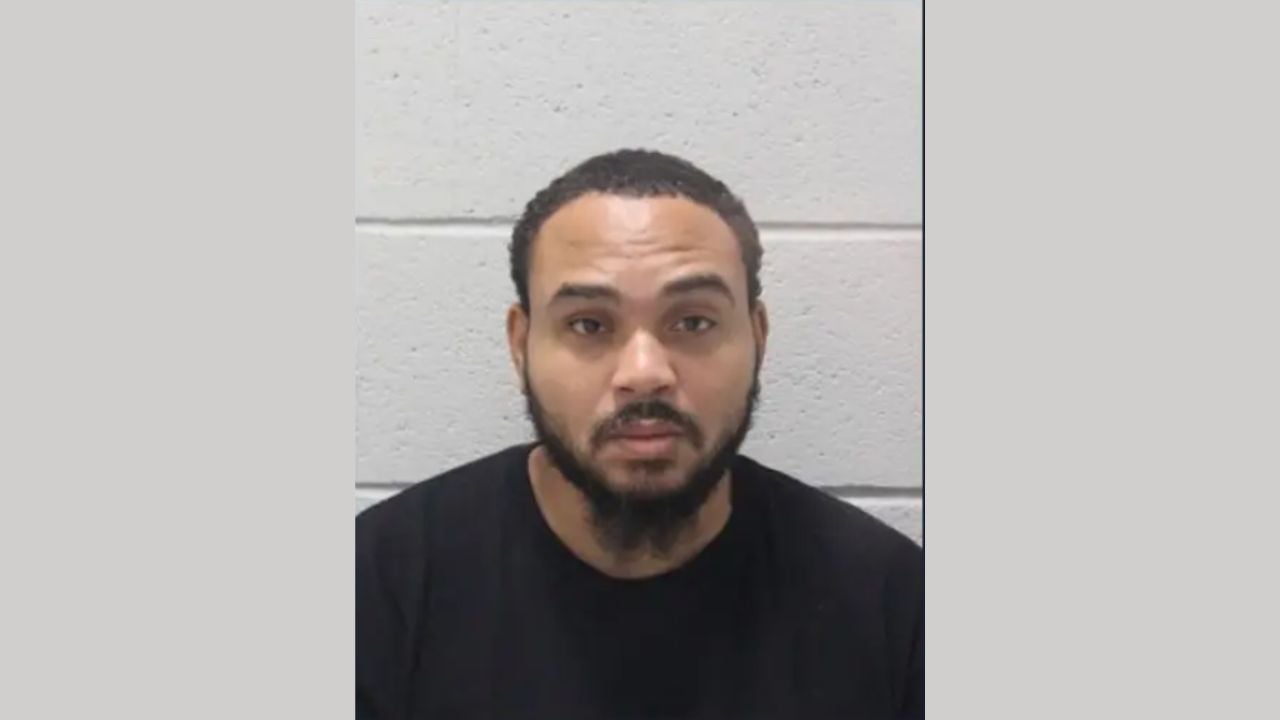
A Florida man has been extradited to Connecticut after police linked him to a financial scam that targeted a 75-year-old North Branford resident.
Justin Dwyer Sr., 32, of Fort Lauderdale, was taken into custody in Florida after North Branford police obtained an extraditable warrant, according to CT Insider.
Police said the victim was deceived by people posing as trusted representatives, and a substantial amount of money was withdrawn from the victim’s financial accounts.
Dwyer faces larceny, identity theft, money laundering, illegal use of a credit or debit card, and conspiracy counts. The charges are accusations and have not been proven in court.
The Scam Targeted a 75-Year-Old Resident
The North Branford Police Department Detective Bureau opened the investigation after the 75-year-old resident was deceived by people claiming to be trusted representatives, CT Insider reported.
Police did not publicly identify the type of representatives the scammers claimed to be.
What police did release is that the deception led to money being withdrawn from the victim’s financial accounts.
The Exact Loss Was Not Released
Police described the loss as substantial but did not specify how much money was taken.
They also did not say whether the withdrawals came through card use, account access, bank transfers, in-person transactions, or another method.
The confirmed public details are the victim’s age, the trusted-representative impersonation, the account withdrawals, and Dwyer’s arrest after extradition from Florida.
Dwyer Was Arrested in Fort Lauderdale
North Branford police said Detective Massimo Piroli secured an extraditable arrest warrant for Dwyer.
Dwyer was taken into custody in Fort Lauderdale and held as a fugitive from justice before being returned to Connecticut, according to CT Insider.
After the extradition, he was processed at the North Branford Police Department. Police said he was arraigned Thursday in Connecticut Superior Court.
The Charges Include Identity Theft and Money Laundering
Dwyer is charged with second-degree larceny, first-degree identity theft, fourth-degree money laundering, and illegal use of a credit or debit card.
He also faces conspiracy counts tied to second-degree larceny, first-degree identity theft, fourth-degree money laundering, and illegal use of a credit or debit card.
Police have not publicly said whether other suspects have been arrested in the case.
Police Say the Case Crossed State Lines
Police Chief James Lovelace said the arrest showed the department would work with local, state, and federal law enforcement partners to identify offenders and bring them back to Connecticut. The case moved from a North Branford victim to a suspect arrested more than 1,200 miles away in South Florida.
The case currently stands as an arrest and pending criminal charges, not a conviction.
Account Withdrawals Should Be Checked Quickly
People who get a call, email, text, or message from someone claiming to represent a bank, government agency, business, police department, court, utility, or fraud department should contact the real organization through a verified phone number before moving money or sharing account information.
The Federal Trade Commission says scammers may impersonate trusted organizations and tell people to transfer money, withdraw cash, buy gold, or move funds to protect an account. Real agencies and financial institutions do not need secrecy, gift cards, cash couriers, or rushed transfers to protect money.
Anyone who sees unfamiliar withdrawals, card charges, transfers, payment-app activity, or account changes should call the bank immediately, ask whether the transaction can be stopped or reversed, and request that the account be secured.
What To Save After an Impersonation Scam
Victims and families should save bank statements, transaction records, screenshots, phone numbers, voicemails, emails, texts, card records, account alerts, and any names or titles the callers used.
If identity information or card details were shared, victims can file an identity theft report at IdentityTheft.gov, place fraud alerts or credit freezes with the major credit bureaus, and review credit reports for accounts or inquiries they do not recognize.
Online fraud can also be reported to the FBI’s Internet Crime Complaint Center at IC3.gov. Local police should be contacted when money has already been withdrawn or when a suspect, address, bank account, phone number, vehicle, or pickup location is known.