
A Brockton, Massachusetts, woman has pleaded guilty after federal prosecutors said she tried to deposit a $931,745.28 U.S. Treasury tax refund check that belonged to a Brooklyn health care company.
Lana Ruel, 70, pleaded guilty on June 11 in federal court in Boston to one count of theft of government funds, according to the U.S. Attorney’s Office for the District of Massachusetts. U.S. District Court Judge Allison D. Burroughs scheduled sentencing for Oct. 1, 2026.
Prosecutors said the Treasury check had been issued to a health care company in Brooklyn, New York. Before the attempted deposit, Ruel incorporated a Massachusetts company using the same name as the health care company, then opened a bank account in that name, according to the U.S. Attorney’s Office.
The bank froze the account after the attempted deposit. Prosecutors said Ruel then called the bank and said she could “explain what the check was, where it came from, and what it’s for.”
The Company Was Waiting For Six IRS Refund Checks
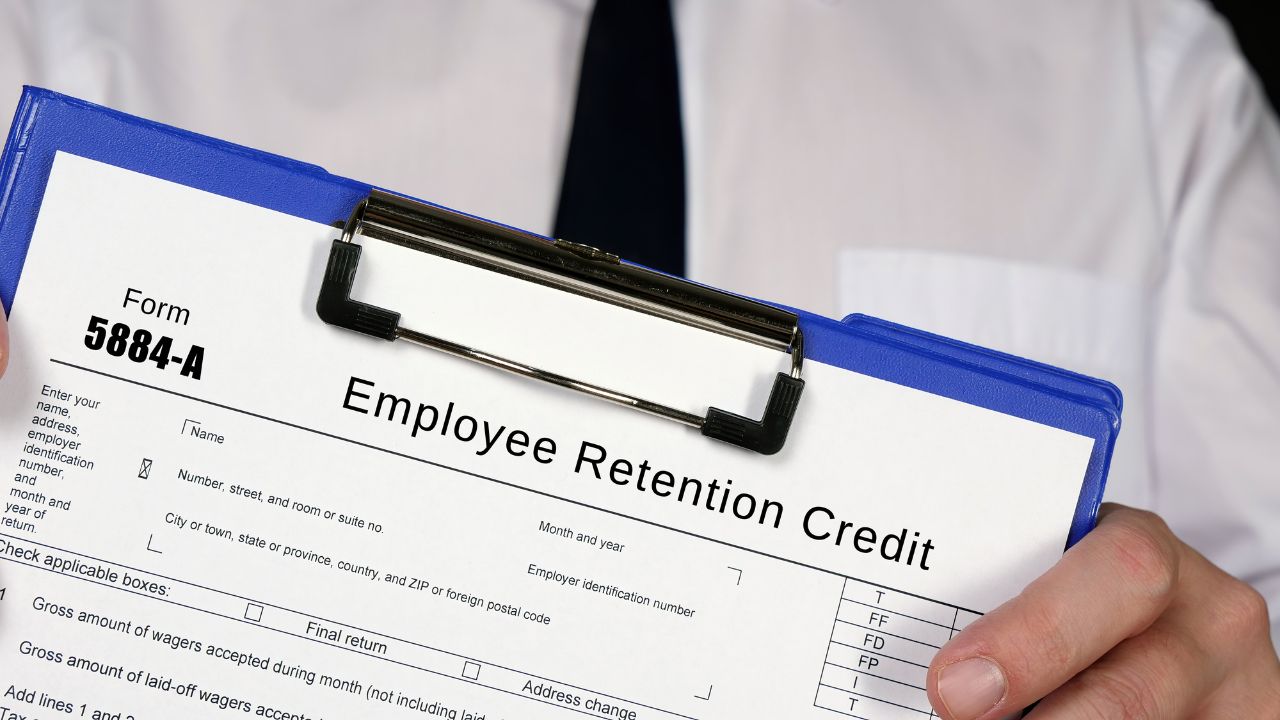
Boston.com reported that the Brooklyn company had applied for Employee Retention Credit refunds and expected six checks from the IRS. The company received only five, and investigators later determined the missing refund was the same check Ruel attempted to deposit, according to court records cited by the outlet.
Ruel later told investigators she opened the Massachusetts account to provide health care consulting services. She also claimed a person she met on an online dating site two years earlier had mailed her the Treasury check and that she planned to use the money to launch the business, according to Boston.com.
A detective wrote in the criminal complaint that there was probable cause to believe Ruel lied during the interview, Boston.com reported. The complaint alleged she did not operate a home care consulting business and instead intended to send the money to the person she met online.
Prosecutors Described More Companies And Bank Accounts
The Treasury check was not the only activity described by prosecutors. The U.S. Attorney’s Office said Ruel created four additional Massachusetts companies over a two-year period that did not have a legitimate business purpose.
For one of those companies, prosecutors said she opened accounts at about 10 different banks. Ruel also received wire transfers into some of the accounts, then moved money to other accounts or made cash withdrawals, according to the U.S. Attorney’s Office. The banks later closed the accounts.
Boston.com reported one example from court documents: a victim company wired $596,145.66 to an account associated with L&E Global in January 2025. Ruel moved most of the money among other L&E Global accounts before transferring much of it to cryptocurrency accounts, according to the report.
A Second Check Came After Her Arrest
Boston.com reported that the case also included activity after Ruel’s December 2025 arrest. In January, one month after her arrest in the Treasury check case, Ruel obtained and attempted to cash a $157,707.74 check that had been issued by another victim agency, according to court records cited by the outlet.
Prosecutors described a pattern involving company names, bank accounts, wire transfers, cash withdrawals, and, according to court records cited by Boston.com, cryptocurrency transfers.
Sentencing Is Set For October
The theft of government funds charge carries a maximum sentence of 10 years in prison, up to three years of supervised release, and a $250,000 fine. Any sentence will be decided by a federal judge after reviewing the U.S. Sentencing Guidelines and other statutory factors.
The case was investigated by IRS Criminal Investigation and the U.S. Postal Inspection Service. Assistant U.S. Attorney Benjamin Saltzman of the Securities, Financial & Cyber Fraud Unit is prosecuting the case.
The Treasury check at the center of the plea was meant for a health care company waiting on federal tax refunds. Prosecutors said it instead ended up in an attempted deposit tied to a Massachusetts company created under the same name.