
An Ohio woman thought she was responding to identity theft after a caller claimed someone had used her information in a $40,000 wire transfer.
The call led her to withdraw $15,000 from her bank account and drive to a Meijer store, according to Cleveland.com.
Once she arrived, a man approached her in the parking lot. She handed him the cash inside a bag.
The woman reported the loss to Richmond Heights police on July 15.
The Caller Turned a Fake Wire Transfer Into a Cash Pickup
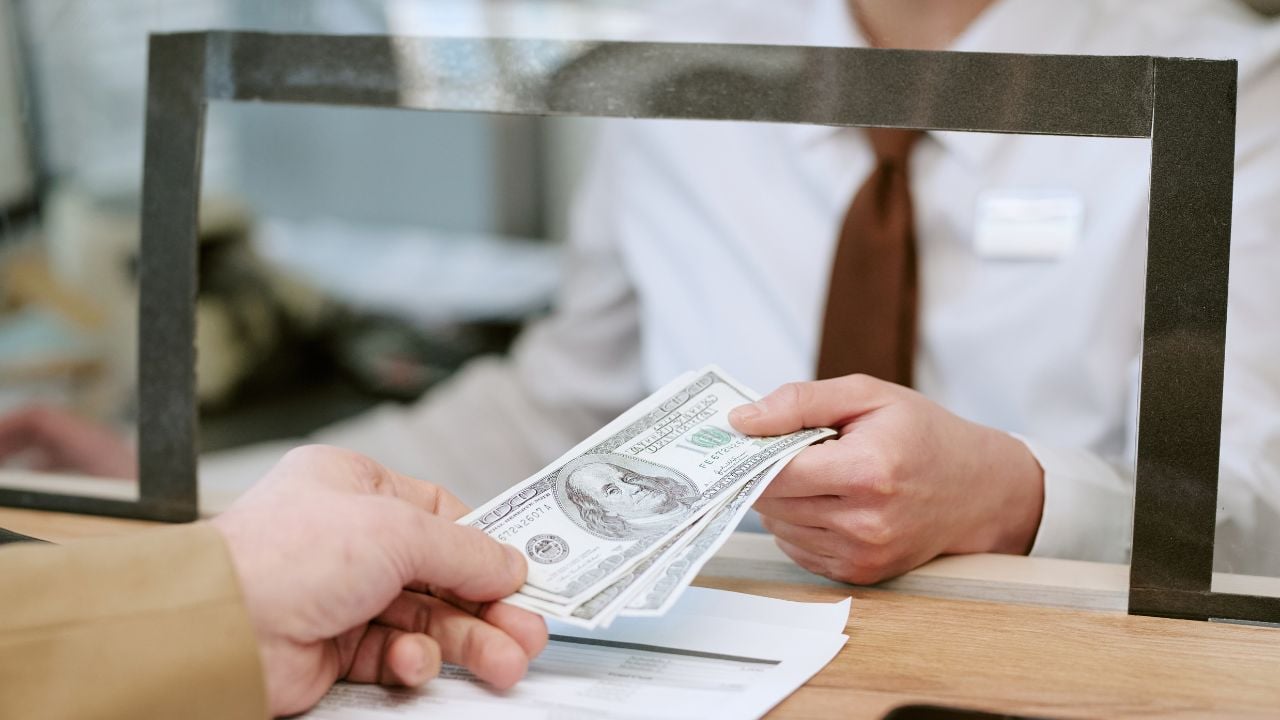
The scam began with an unsolicited call from someone claiming to represent the woman’s bank. The caller said her identity had been used to fraudulently wire $40,000 from her account, creating the kind of urgent financial threat that can make a victim act before checking the claim independently.
The solution the caller gave her was not to freeze the account, visit the bank without staying on the phone, or call the number on the back of her card. She was told to remove $15,000 in cash and bring it to a retail parking lot.
The Parking-Lot Handoff Was the Fraud
The money changed hands at Meijer, but the store was only the meeting location. The danger point was the cash handoff: a person claiming to solve bank fraud sent the victim away from normal banking channels and toward a stranger in a parking lot.
That setup leaves the victim with almost nothing to cancel once the bag is gone. Unlike a disputed card charge, wire, or transfer, a cash pickup depends on speed, confusion, and the victim believing the courier is part of the fix.
The Federal Trade Commission warns that scammers often claim money is at risk and then tell people to move it, withdraw it, or hand it over for “safekeeping.” Anyone who gives those instructions during an unexpected call is not protecting the account.
Banks Do Not Need Customers To Hand Cash to Couriers
If a caller says there has been a wire transfer, identity theft, account takeover, or suspicious charge, the safest move is to end the call and contact the bank through the official app, the number on the card, or a branch visit. The caller should not stay on the line during that verification.
A real bank can freeze cards, stop some transactions, open a fraud claim, issue replacement credentials, and review account activity through official channels. It does not need a customer to withdraw cash and deliver it to someone at a store, parking lot, gas station, hotel, or home.
What To Save After a Cash Pickup Scam
Someone who has already handed over money should call local police and the bank immediately, then preserve anything that can help place the pickup in time and location. That includes call logs, voicemails, text messages, bank withdrawal slips, account alerts, branch receipts, parking-lot location details, the bag description, the time of the handoff, and any description of the person or vehicle involved.
The victim should also ask the bank to secure the account, review recent activity, change online banking credentials from a clean device, and add extra verification to any account tied to the scam. Reports can also be filed with the FTC at ReportFraud.ftc.gov and the FBI’s Internet Crime Complaint Center at IC3.gov.