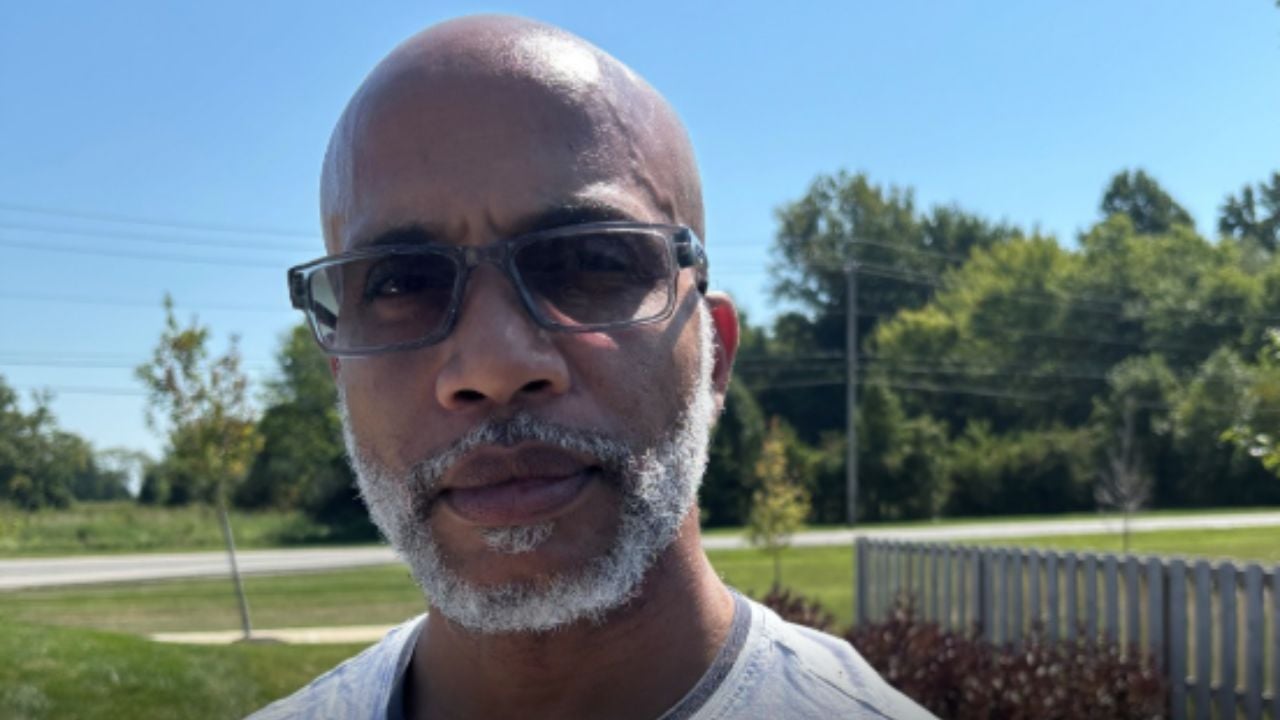
Steven Woodson had a reason to believe the unexpected call he received about his son. His son really was incarcerated in the Hamilton County Jail in Indiana, but the person contacting him was not actually helping arrange his release.
Woodson lost $1,100 before discovering that the payment demand was fraudulent. “I wasn’t thinking,” he told WRTV. “I was just acting out of emotions.”
The Hamilton County Sheriff’s Office is now warning families about criminals who monitor recent arrests and contact relatives while the information is still fresh. In some cases, scammers may reach family members before they have independently learned that their loved one is in custody.
Instead of inventing an emergency from scratch, the callers build their payment demand around a real arrest. Accurate information about the inmate can make the call appear legitimate even though the person asking for money has no connection to the jail.
The Caller Said His Son Was Ready for Bond
View this post on Instagram
Woodson said the caller appeared to be contacting him about his son’s situation at the Hamilton County Jail and presented the payment as part of the release process.
“He is set for bond, so you have to pay the bond,” Woodson recalled being told. He initially tried to send the money himself through Cash App, but the transaction would not go through.
Woodson then asked his son’s girlfriend for help. WRTV reported that she sent $1,100 to a Cash App account using the official-sounding name “Pretrial Service Inc.” Woodson later learned that the account was not connected to his son’s legitimate release.
The fact that his son really was in jail gave the caller an advantage. Woodson was not being asked to believe a fabricated arrest involving a relative who was actually safe at home. The scammer was using a real situation and demanding money while Woodson was trying to respond to it.
Scammers Are Monitoring Recent Arrests
Hamilton County authorities say the calls are not random. The Sheriff’s Office has warned that scammers are monitoring recent arrests and identifying relatives of people who have been taken into custody.
The county maintains an online inmate lookup containing information about people currently held in the Hamilton County Jail. Authorities say scammers may contact relatives on the same day as an arrest, sometimes before the family has even learned what happened.
Another version of the scheme involves callers claiming that paying the Sheriff’s Office directly will allow an inmate to be released on pretrial supervision with an ankle monitor. Families may be specifically told not to use a bond agency and instead send the money directly.
The Sheriff’s Office has warned that those instructions are part of the scam. It advises families not to send money or provide financial information simply because someone unexpectedly calls and claims to be able to secure a relative’s release.
A Real Arrest Still Does Not Make the Payment Request Legitimate
The information used during these calls can make them harder to recognize than scams built around completely fabricated emergencies. A caller who knows that someone was recently arrested does not necessarily have access to a private law enforcement system or inside information.
Families can independently confirm whether someone is being held through Hamilton County’s official inmate records and contact the Sheriff’s Office directly to determine the legitimate procedures for bond or release. They should use contact information obtained independently rather than a phone number supplied by the person requesting payment.
Pressure to act immediately or instructions to bypass the normal bond process are also warning signs. Hamilton County authorities specifically advise people who receive one of these calls to stop and verify the information before sending money.
Families Can Verify Release Terms Before Sending Money
A relative who receives an unexpected payment demand can end the call and independently contact the jail, court or legitimate bond professional before transferring money. A Cash App username, caller ID display or official-sounding business name does not establish that the recipient is connected to law enforcement or the court system.
Anyone who has already sent money can contact the payment service as soon as possible, report the transaction as fraudulent and ask whether the transfer can still be stopped or recovered. Screenshots of the recipient account, telephone numbers, text messages and payment receipts can also be preserved for investigators.
The Hamilton County Sheriff’s Office advises anyone targeted by this type of call not to provide personal or financial information and not to send money based solely on what the caller says.
Woodson’s experience shows why these calls can be convincing even when the victim knows the basic facts are true. His son really was in jail. The person asking for $1,100 still had nothing to do with getting him out.