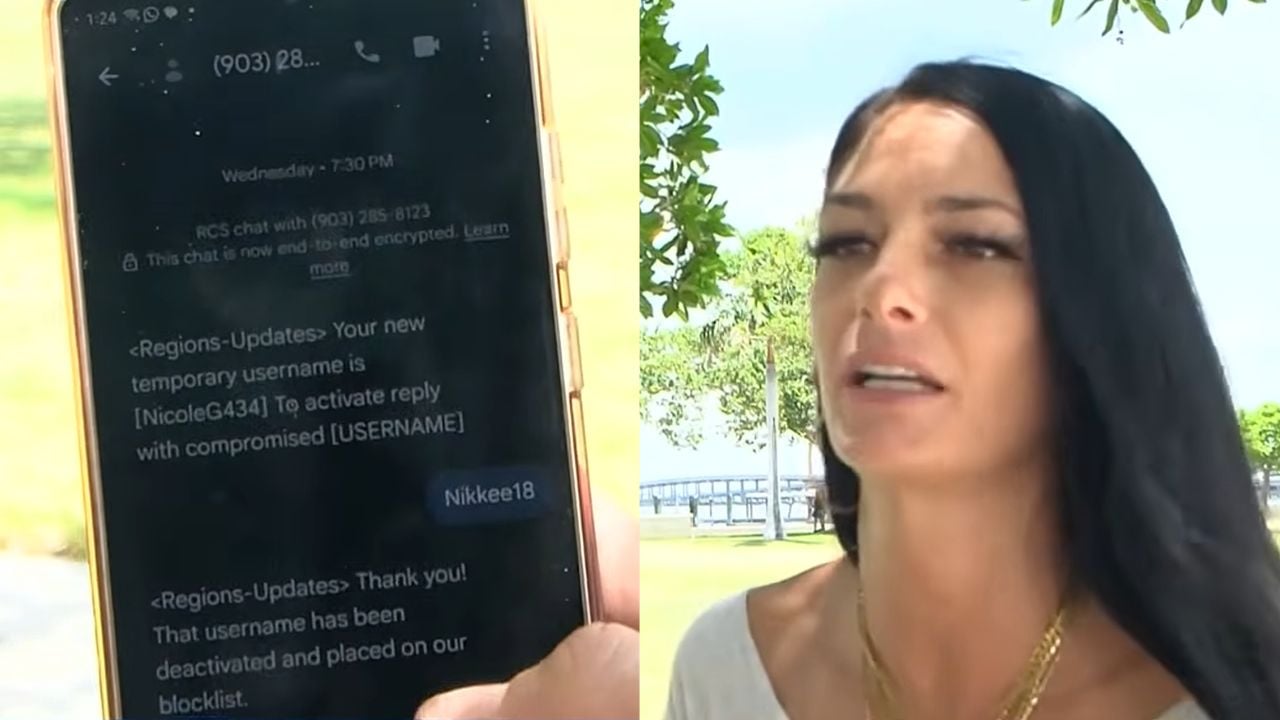
Nicole Gilley thought the call on her phone was coming from her bank. By the time she realized the number could be faked, she says $9,000 was gone.
The Charlotte County, Florida, woman told Gulf Coast News she was tricked by a spoofing scam, a tactic that can make a phone call appear to come from a trusted number or business.
Gilley said the caller impersonated her bank and convinced her to share banking credentials. The call looked legitimate enough for her to believe she was speaking with the institution that handled her account.
The loss was $9,000, according to Gulf Coast News.
The Caller Impersonated Her Bank
Gulf Coast News reported that Gilley lost the money after giving banking credentials to someone posing as her bank.
The scam relied on caller ID trust. A bank name or familiar number on a phone screen can make a call feel safe before the person on the other end asks for information that a real bank would not need from an unexpected caller.
Gilley’s case was described as a spoofing scam, meaning the caller hid behind a number or identity that appeared more trustworthy than the real source of the call.
Caller ID Can Be Faked
The FCC says caller ID spoofing happens when a caller deliberately falsifies the information shown on a caller ID display to disguise who is really calling.
That can make a scam call appear to come from a bank, a local number, a government agency, or another familiar contact. The phone screen may look official even when the call is coming from someone trying to steal account access.
The FDIC warns that bank impersonators may ask for Social Security numbers, card numbers, bank account information, online banking passwords, or other sensitive details. The agency says real banks do not need customers to give out passwords, one-time codes, or sensitive account details through an unexpected call.
Bank Calls Should Be Verified Separately
The FTC warns consumers not to trust caller ID by itself because the name of a bank, business, or government agency can be faked.
A safer response to an unexpected bank call is to hang up and contact the bank through a verified number printed on a debit card, listed in the official app, shown on the bank’s website, or provided by a local branch found independently.
Customers should not read out passwords, full account details, or one-time passcodes to a caller who contacted them first. Anyone who already shared credentials should change the password immediately, call the bank’s fraud department through a verified number, ask about freezing cards or accounts, and report the incident to law enforcement, the FTC, or the FBI’s Internet Crime Complaint Center.