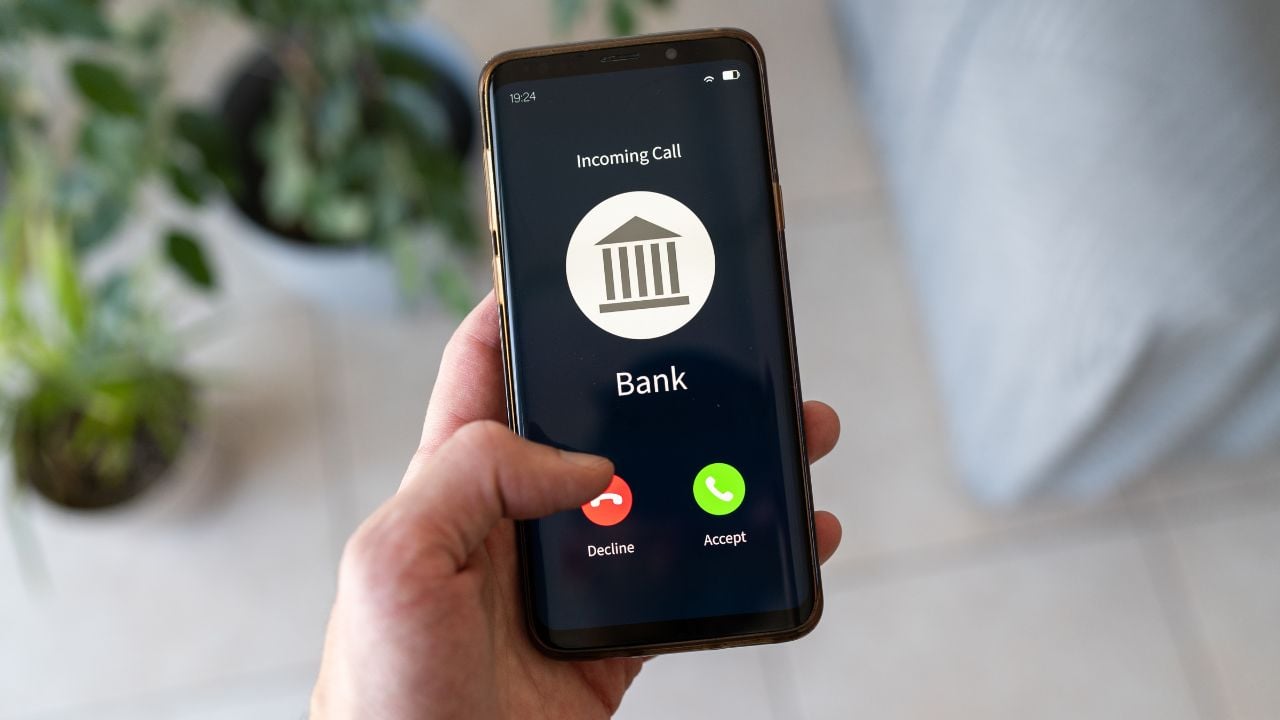
A credit union member nearly lost money after a caller posing as Clearview Federal Credit Union’s fraud department said her debit card had been locked over a suspicious out-of-state transaction.
The account comes from a sponsored PublicSource article paid for by Clearview Federal Credit Union. The member, identified only as Jenna, said the caller gave a name, a badge number, account details, and appeared to be calling from an official Clearview number.
The pressure increased when a second person posing as a supervisor joined the call. Jenna texted her husband, brought him into the conversation, and then hung up before continuing directly with the credit union.
That call-back decision stopped the damage, according to the sponsored report. Clearview said it canceled a pending $2,000 Zelle transfer, identified and blocked a $1,000 Cash App attempt that had already failed, and secured Jenna’s account.
The Caller ID Looked Real
View this post on Instagram
The caller identified himself as “Mason Bradley,” gave a badge number, and referenced account details, according to the report. The call also appeared to come from Clearview’s official number, making the warning sound more convincing.
The FTC warns that scammers can make any name or number appear on caller ID. The FCC describes caller ID spoofing as the deliberate falsifying of information sent to a caller ID display to disguise the caller’s identity.
In Jenna’s case, the spoofed number was paired with a professional tone, a fake employee name, and a second person who joined as a supposed supervisor. Jenna and her husband noticed the caller would not let her independently verify what was happening.
The Payment-App Activity Had Already Started
Clearview’s Account Compromise team later found a $2,000 Zelle transfer pending and a $1,000 Cash App attempt that had already failed, according to the sponsored report.
The FDIC has warned that bank impersonation scams often involve criminals pretending to be from a financial institution and asking for personal information, account passwords, or other sensitive details.
Clearview Director of Fraud Prevention Nicholas Homa said consumers should stop and verify before acting. If someone calls claiming to be from a financial institution, Homa said it is acceptable to listen, hang up, and call the institution back at a trusted number.
Jenna did not try to argue with the caller or stay on the line to prove her identity. She ended the call and contacted Clearview directly.
That gave the real credit union time to review the account activity. Clearview said the team canceled the pending Zelle transfer, blocked the failed Cash App attempt, and secured Jenna’s account before more money could move.
Caller ID Is Not Verification
A caller ID match is not proof that a bank or credit union is really calling. A badge number is not proof. A second person joining as a supervisor is not proof.
The safer step is to hang up and use a number the customer already trusts: the number on the back of a debit or credit card, the number inside the bank’s official app, or the number listed on the financial institution’s official website.