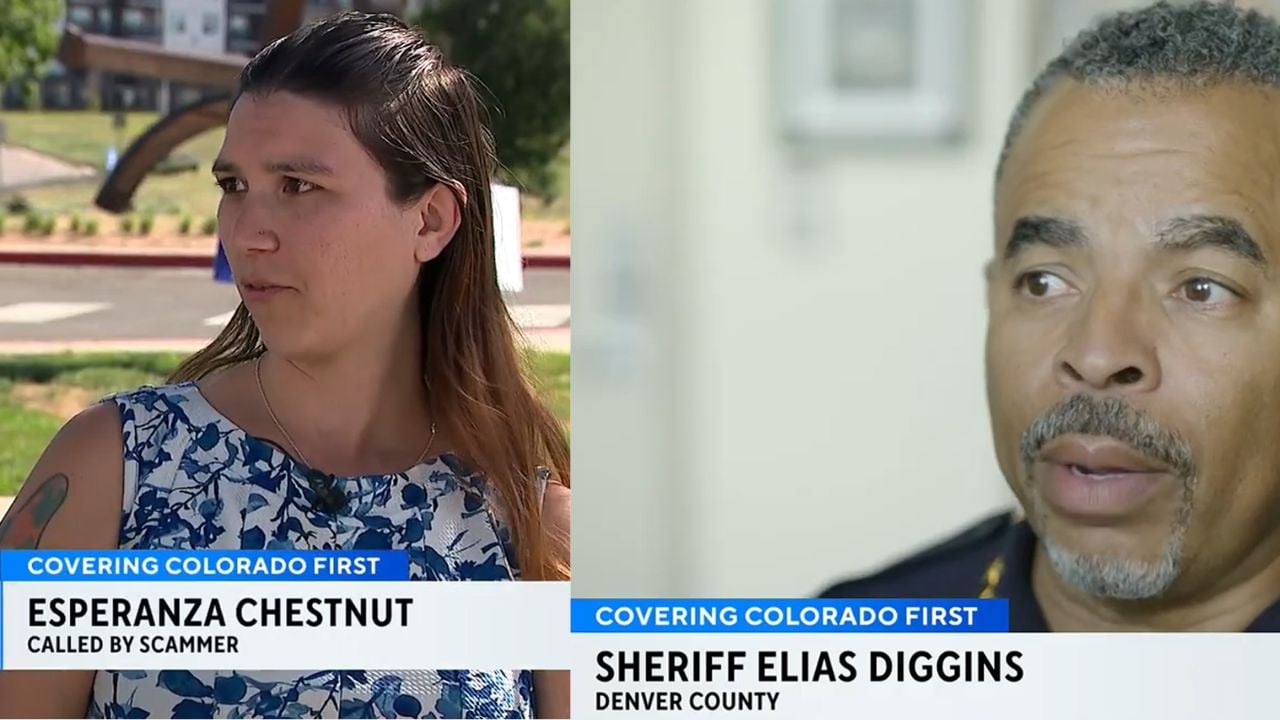
Esperanza Chestnut woke up around 5 a.m. to four missed calls and a voicemail saying her cousin had been arrested.
The caller claimed to be with the Denver County Jail. Chestnut told CBS Colorado the caller knew her cousin’s charge, age, and full legal name.
The arrest itself was real. Chestnut checked Denver’s inmate search online and confirmed her cousin had been arrested around 2 a.m.
About 20 minutes later, another call came in from a number that appeared to belong to the Denver Sheriff Department. The caller claimed to be a sergeant and asked whether she wanted to start the payment process to get her cousin out of jail.
The Caller Used Real Arrest Details
Chestnut said the call felt real because the person on the phone had information that sounded official.
“They said what his charge was, his age, his full legal name,” she told CBS Colorado.
After she confirmed her cousin was in custody, the timing of the payment request started to seem wrong. The arrest had happened only a few hours earlier, before the courts were open.
“There’s no way that they could have had him processed, booked and had a bail that soon,” Chestnut told the station. “The courts aren’t even open.”
The Number Appeared to Be From the Sheriff’s Department
Denver Sheriff Elias Diggins told CBS Colorado that the department is aware of people impersonating Denver Sheriff Department employees in calls to relatives of people who have just entered custody.
“This new scam is when folks first come into our custody, before they’re even given a bond or eligible for bail,” Diggins said.
In Chestnut’s case, the number on caller ID appeared to be a real Denver Sheriff Department number. Diggins said scammers can spoof phone numbers so a call looks as if it is coming from a trusted agency.
Chestnut refused to send money. The caller ended the call.
Public Jail Information Can Be Used Against Families
Diggins said inmate information can appear in the system quickly after someone enters custody. That information is public, and scammers appear to be using it to identify recent arrests, then search online for relatives and phone numbers.
“To get the information about who’s in jail, it is publicly available,” Diggins told CBS Colorado.
He said scammers may be able to contact relatives within an hour or two of someone being booked. That short window can make a call feel urgent, especially when the caller already knows the arrested person’s name, age, and charge.
The Sheriff Says Families Should Verify Before Paying
The Denver Sheriff Department will not call family members asking for money, CBS Colorado reported. The department also does not call relatives simply to notify them that someone is in jail.
“We never do that,” Diggins said. “The Denver Sheriff Department will not call you to tell you that your family member is in jail. Your family member may call you themselves to let you know that they are in custody.”
Diggins advised anyone who receives a call like Chestnut’s to hang up and verify the information independently through the jail, local law enforcement, the district attorney’s office, or the Colorado Attorney General.
The FTC warns that emergency scammers may pose as lawyers, police officers, doctors, or other authority figures to make a family crisis sound convincing. The FCC says caller ID spoofing can make a call appear to come from a legitimate number even when it does not.
A verified inmate search can confirm whether someone is in custody, but any payment demand should be checked through an official jail, court, or agency number found independently. A caller using real arrest details and a familiar caller ID can still be a scammer.