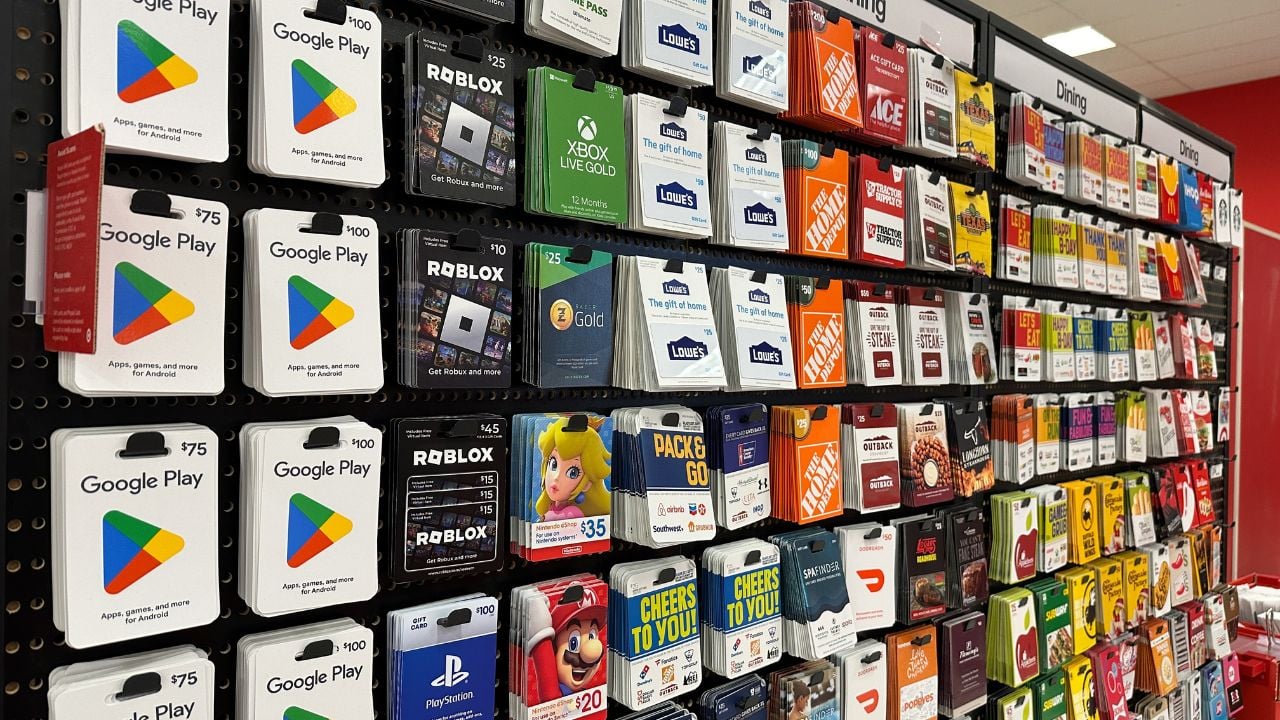
A San Diego contractor says a fake federal-agent call drained $4,000 from him in minutes after he was pushed into buying Lowe’s gift cards and sending the card numbers to the scammer.
Jaime “Jay” Bernal, a San Diego commercial flooring contractor, told NBC 7 San Diego that the caller claimed criminals had hacked his computer and that his bank account was about to be frozen because it was being used for illegal transactions.
The caller posed as a federal agent and offered to move Bernal’s money into what was described as a secure Federal Reserve account while an investigation was underway, according to the report.
Bernal said he needed access to the money to run his business. He also told NBC 7 that the caller used serious allegations, including child pornography, which made him hesitate even though he sensed something was wrong.
The Caller Shifted From A Bank Transfer To Gift Cards
A San Diego contractor says he fell victim to a sophisticated scam that led him to buy $4,000 in gift cards, as some states adopt new laws aimed at preventing similar fraud. https://t.co/MTqyDsFLsA
— NBC 7 San Diego (@nbcsandiego) June 30, 2026
Bernal told NBC 7 that he gave the caller remote access to his account so the money could be transferred. When that did not work, the caller told him to buy Lowe’s gift cards instead.
Bernal said the caller seemed to know there was a Lowe’s nearby, which added to the pressure while he was still on the phone.
Within minutes, Bernal was at a Lowe’s store. He said he bought two gift cards worth $2,000 each while the scammer stayed on the line.
He Says The Gift Card Limit Was Raised
Bernal told NBC 7 that a manager increased the gift-card purchase limit from $500 to $2,000, allowing him to buy the two cards.
He said he did not remember employees warning him that he might be involved in a scam, and he said he did not notice gift-card scam warning signs in the store.
Lowe’s gave NBC 7 a different account. The company said a customer service associate and an assistant manager followed its employee training program, asked what the gift cards were being purchased for, and advised Bernal about gift-card scams before involving the store manager.
Bernal disputed that account in the NBC 7 report and said employees did not say anything about a scam.
The $4,000 Was Gone After He Sent The Card Numbers
After Bernal left the store, the caller told him to scratch off the backs of the cards and send photos showing the numbers, according to NBC 7.
Once he sent the card information, the $4,000 was gone.
Lowe’s told NBC 7 that gift-card purchases are handled like cash transactions, making it impossible to track who redeems the cards. The company said anyone who discovers they were the victim of a gift-card scam should report it to the store immediately.
No Federal Agency Uses Gift Cards To Protect Money
A federal agent, bank investigator, tech-support worker, police officer, court official, or company employee will not tell someone to protect money by buying gift cards.
The Federal Trade Commission says gift cards are for gifts, not payments, and that anyone who tells someone to pay with a gift card is a scammer.
The scammer’s story can change. It may be a frozen bank account, a hacked computer, a tax problem, a fake arrest threat, a family emergency, a business invoice, or a supposed government investigation. The red flag is the same when the caller asks for gift cards, card numbers, PINs, cryptocurrency, wire transfers, or payment apps.
What To Do Before Buying Gift Cards Under Pressure
Anyone told to buy gift cards during an urgent phone call should stop before reaching the checkout. Hang up, call the bank or company using a number from an official card, app, statement, or website, and ask a trusted person to review what happened.
Customers should also be cautious if a caller tells them to stay on the phone, keep the situation secret, hurry to a specific store, buy multiple cards, or lie to store employees about why the cards are being purchased.
Workers at stores can also interrupt the scam before the money disappears. A customer buying high-dollar gift cards while on the phone, appearing nervous, or saying the cards are for a government agency, bank, tech-support worker, or account problem should trigger a pause before the transaction continues.
If gift-card numbers have already been shared, the victim should contact the gift-card company immediately, keep the cards and receipts, save call logs and text messages, and file a report with the FTC at ReportFraud.ftc.gov. Reporting quickly does not guarantee the money can be recovered, but it gives the card issuer and investigators the best chance to trace what happened.