
A Kansas cashier stopped a 72-year-old woman from sending $22,800 into a Bitcoin machine after police said scammers used fake Apple Security and bank claims to scare her into withdrawing cash.
KWCH reported that the Salina woman was contacted by someone claiming to be with Apple Security. Police said the caller told her there was a $249.95 charge on her account and that she needed to speak with someone at Sunflower Bank.
The woman was then transferred to another person who claimed to work for the bank, according to police. That caller allegedly told her she had a $22,800 charge connected to a virus from a “child porn site” and had to withdraw money from her bank account to remove the charge.
The woman followed the instructions and took the cash to a Bitcoin machine at 2140 W. Crawford in Salina. Before she deposited the money, police said, a cashier stepped in and told her she was being scammed.
The Cashier Intervened Before The Money Went Into The Machine
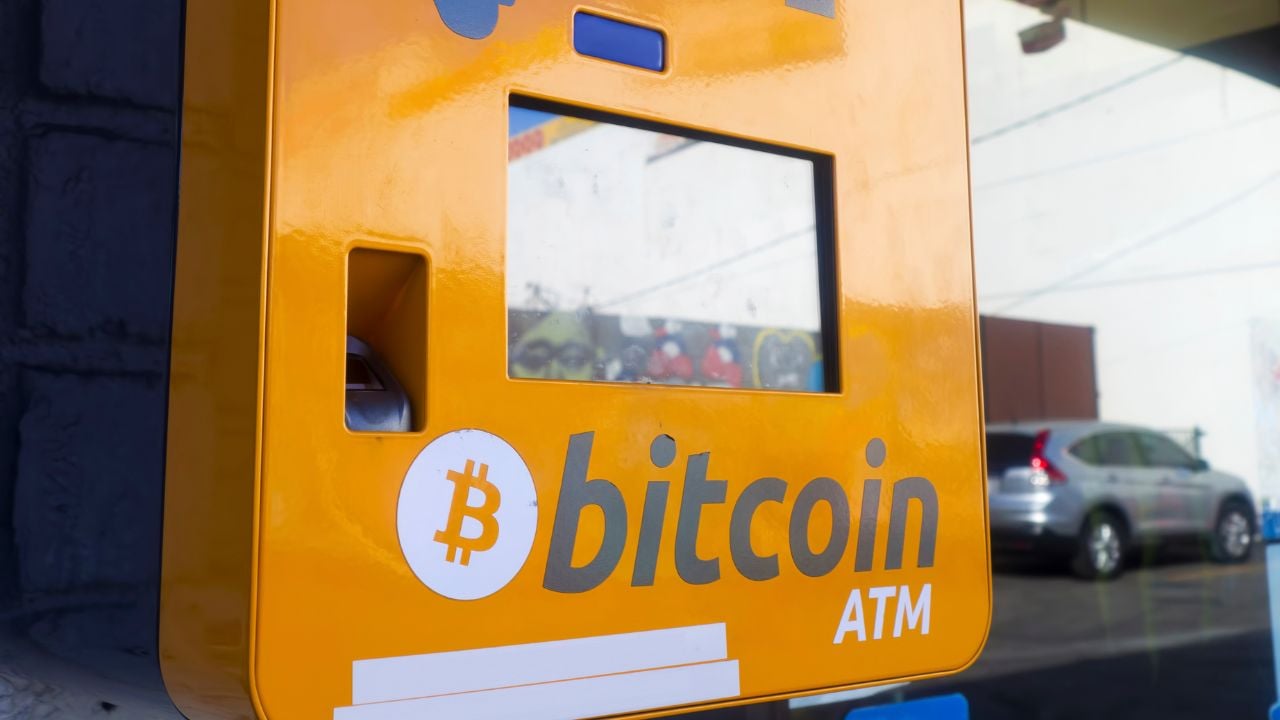
KSAL reported that the woman did not place any money in the Bitcoin machine after the cashier intervened. She returned the money to her bank account and contacted police.
The Salina Police Department commended the cashier for protecting the customer, according to KSAL. Police also reminded residents that legitimate businesses, including Apple and banks, will not tell someone to send money through Bitcoin to fix a problem.
The available reports did not name the business where the cashier worked, and police did not announce an arrest. The case remains an investigation into an attempted scam.
The caller’s script used several pressure points at once: a trusted company name, a supposed bank transfer, a precise dollar amount, a frightening accusation, and instructions to withdraw cash quickly. The cashier’s question at the machine stopped the loss before the money left the victim’s hands.
The Fake Apple Call Led To A Fake Bank Transfer
Apple warns that scammers use fake caller ID information to impersonate companies such as Apple and may claim there is suspicious activity on an account or device. The company says anyone who gets an unsolicited or suspicious call from someone claiming to be from Apple or Apple Support should hang up.
Police said the first caller claimed to be with Apple Security, then pushed the woman toward a second person claiming to be with her bank.
Consumers should not use phone numbers supplied by a caller, pop-up, text, or email. If an alert appears to involve Apple, a bank, PayPal, Amazon, Microsoft, or another familiar company, the safer move is to end the conversation and contact the company through its official app, website, card number, or local branch.
Bitcoin Machine Scams Have Become A Major Warning Sign
The FBI’s Internet Crime Complaint Center said in May 2026 that it received more than 13,400 complaints in 2025 involving cryptocurrency kiosks, with reported losses of more than $388 million. IC3 said more than half of those complaints involved people over 50, with losses topping $302 million.
The FBI warning listed Kansas among the states with cryptocurrency-kiosk complaints in 2025. IC3 data showed 117 Kansas complaints involving cryptocurrency kiosks and adjusted losses of more than $4.1 million.
The same FBI warning describes red flags that appeared in the Salina case: an unsolicited phone call, detailed instructions to withdraw cash, a person being directed to a kiosk, and confusion or nervous behavior while trying to complete the transaction.
The Federal Trade Commission has also warned that scammers use Bitcoin ATMs in business impersonation, government impersonation, and tech-support scams. The FTC says many scams begin with a fake warning about suspicious activity, unauthorized charges, or a supposed security problem.
The Red Flag Is The Payment Method
The FTC says only scammers demand payment in cryptocurrency. No legitimate business will demand cryptocurrency in advance to buy something, fix a problem, or protect money.
In the Salina case, the alleged request came as an emergency account problem. That is a common pattern in crypto-kiosk scams, where the caller’s story changes but the payment method stays the same.
Anyone told to withdraw cash and use a Bitcoin machine should stop before scanning a QR code or inserting money. The person should hang up, call the bank directly, talk to a trusted family member, and contact local police if a caller is pressuring them to stay on the phone.
If money has already been sent through a cryptocurrency kiosk, the victim should keep all receipts, transaction IDs, wallet addresses, phone numbers, text messages, and QR code images. The FBI advises victims to file a local police report and submit a complaint to IC3 with as much transaction information as possible.
Cashiers And Store Workers Can Stop A Scam In Real Time

The Salina case also shows why store employees matter. A person standing at a Bitcoin machine with a large amount of cash may already be under pressure from a caller and may have been told not to talk to anyone.
Workers do not need to investigate the whole story to slow the loss. Asking whether the customer is on the phone, whether someone told them to withdraw cash, whether they understand where the money is going, or whether they have spoken directly with their bank can interrupt the scam before the payment is irreversible.
Families can use the same rule. If a relative says Apple, a bank, police, a government agency, or a tech-support worker told them to use a Bitcoin machine, the safest assumption is that the call is fraudulent until the claim is verified through an official number.