A fake jury duty call does not need much time to create panic. The caller says there is a missed summons, an active warrant, and a way to avoid arrest if the person pays immediately.
Honolulu police are warning residents about that exact scam on Oahu, where callers, texts, and emails are posing as law enforcement officers or court officials. Hawaii News Now reported that the Honolulu Police Department said the messages falsely claim the victim missed mandatory jury duty and faces an active arrest warrant.
The payment demand comes next. Police said the impersonators ask for an immediate fine or bail bond payment to avoid jail.
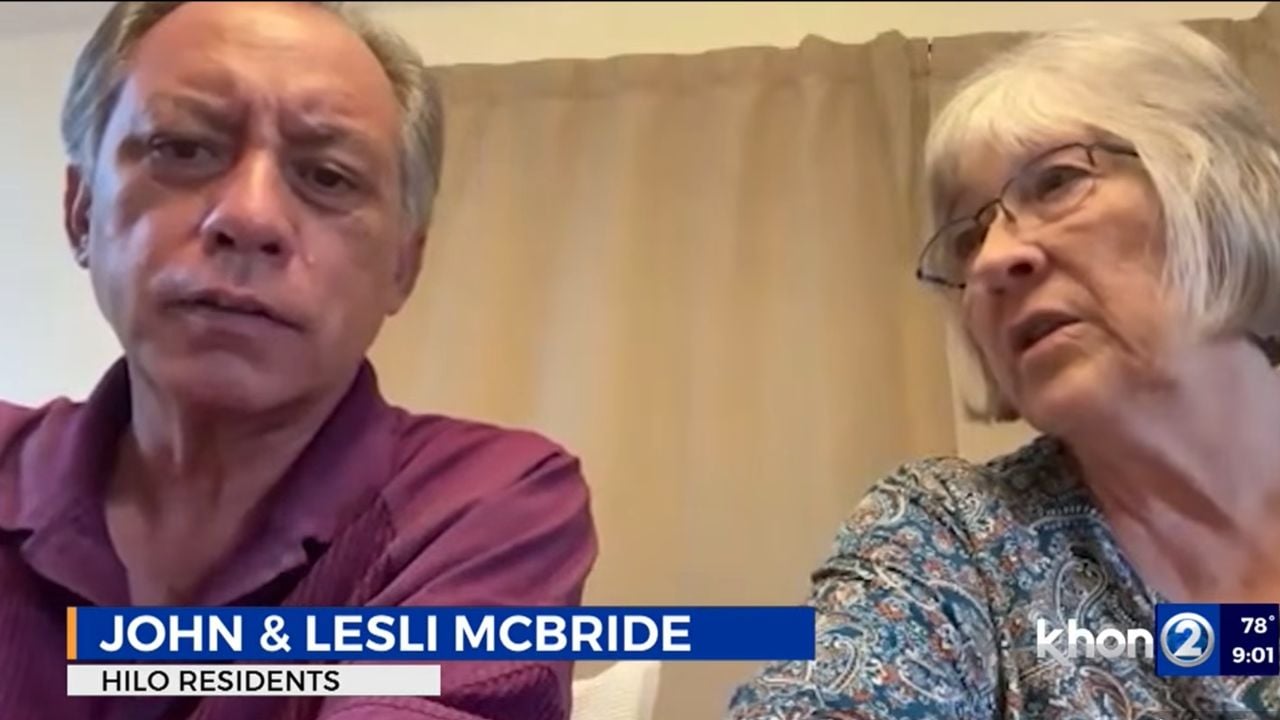
KHON2 reported the warning after a segment titled “Hawaii couple almost falls for fake jury duty scam.” The police warning gives the near-miss a broader point: a real-looking name, badge number, courthouse address, or caller ID does not make the threat real.
The Call Starts With a Fake Warrant
According to HPD’s warning, scammers are impersonating law enforcement officers or court officials and telling people they missed mandatory jury duty. The caller then claims there is an active arrest warrant and demands immediate payment to avoid imprisonment.
The call can sound official because the impersonators may use the names and addresses of real law enforcement officials, agencies, and courthouses. The Hawaiʻi State Judiciary has warned that scammers may also manipulate caller ID so the number appears to come from a government agency.
The caller leans on real court language: jury service, missed notices, bench warrants, fines, and bail. The fake part is the demand for money before the person can hang up, check the court’s website, or call a verified court number.
Hawaiʻi Courts Say Real Jury Notices Arrive by Mail
The Hawaiʻi State Judiciary says official jury service communications are sent through the U.S. Postal Service, unless someone has already contacted the Judiciary first with a specific question.
The Judiciary says courts and law enforcement will not call, email, or text to demand payment or personal information for jury-related matters. They also will not ask for Social Security numbers, credit or debit card numbers, bank account details, gift cards, prepaid debit cards, wire transfers, cryptocurrency, or payment apps to avoid arrest or jail.
The Judiciary’s scam alerts page lists another red flag: a caller who tells the person to stay on the phone while buying prepaid debit or gift cards. The same page says Hawaiʻi state court staff do not ask people to meet at a courthouse, police station, shopping center kiosk, or another location to make a payment.
The Same Scam Is Showing Up With Fake Court Websites

The warning is not limited to Hawaiʻi. U.S. Courts says people are targeted by phone, email, and messaging scams that threaten prosecution for failing to comply with jury service. Those messages can pressure people to provide confidential information, which can lead to identity theft and fraud.
The Federal Trade Commission has warned about a more elaborate version. In that twist, scammers tell people to visit a fake website that looks official, with government-style seals and an official-sounding URL.
The fake site may ask for a birthdate and Social Security number to “look up” a supposed fine. The FTC says some versions may ask for up to $10,000 in fines on the site or send the person to a fake “government kiosk” to pay by cryptocurrency.
Police Say to Hang Up and Use a Verified Number
Honolulu police advise anyone who receives a suspicious jury duty call demanding money to hang up immediately. Suspicious emails or texts claiming to be from police or the courts should be deleted, not opened, answered, or clicked.
Anyone who is unsure should look up the court or jury office independently and call a verified number. Do not use a phone number, link, website, QR code, or payment instruction supplied by the caller.
The FTC gives the same warning in national terms: real law enforcement officers will not call to threaten arrest if someone hangs up, and only scammers insist on payment by cash, gift cards, payment apps, cryptocurrency, or wire transfer.
Honolulu police said anyone who has already given personal information or lost money should file a report with HPD at (808) 529-3111 or use the department’s online police report option. The Hawaiʻi Judiciary also directs scam victims to report incidents to local police, the FBI’s Internet Crime Complaint Center, or the FTC.